Custom Closets Built to Last in Connecticut Homes
Closets take a beating. Doors open and close all day, shelves carry heavy stacks of clothes, and rods hold pounds of hanging weight. When a closet is built lightly, it starts to sag, crack, or wobble. When it is built with care, it works quietly in the background for years and does not call attention to itself.
Here in Connecticut, closets also have to stand up to a tough climate. Humid summers, dry winters, and temperature swings can warp thin materials and loosen cheap fasteners. That is why custom closets in Connecticut should be built with the same care as a kitchen or bath. It is not just about organizing your sweaters. It is about long-term durability and a slow-build mindset that refuses shortcuts.
Why Material Choices Decide How Long Your Closet Will Last
The first sign of a weak closet is almost always in the materials. Many off-the-shelf systems rely on thin laminate over low-grade particleboard. It looks sharp on day one, but in real use, you often see:
- Shelves bowing in the center
- Edges swelling if moisture gets in
- Hanging hardware pulling away from the wall
- Chips where the finish is thin or brittle
Stronger custom closets usually start with better core materials. Higher-grade plywood, solid wood, or carefully selected veneers handle screws and fasteners better and are less likely to crumble or split. They also stand up better when you shift weight around or change how you use the space.
In Connecticut, moisture resistance matters. Seasonal humidity finds any weak spot. Good closet construction takes into account:
- Material thickness that can hold weight without sagging
- Edge banding that actually seals exposed edges
- Panels that are less likely to swell or warp with moisture
Hardware is just as important as the wood. Quality soft-close slides, sturdy brackets, and solid hanging rods keep things working smoothly. We at White Oak pay close attention to fasteners, using screws designed to hold real weight, not just light-duty anchors. When the materials and hardware work together, doors stay aligned and shelves stay level for the long haul.
Designing Custom Closets in Connecticut for Real Life
Design and durability are tied together. A closet that looks nice but is laid out poorly will wear out faster. We always start by asking how the space will really be used in your home. That affects depth, height, and layout.
Some practical design choices that increase lifespan include:
- Shelves deep enough for folded clothes but not so deep that stacks topple
- Hanging sections tall enough for coats, dresses, and suits without dragging
- Adequate clearance for doors and drawers so they do not slam into trim or walls
Planning for weight is just as important. Long spans of shelving need reinforcement. Double-hanging sections should be anchored into studs, not just drywall. Shoe storage should be built so the edges do not chip or peel as shoes slide in and out.
Connecticut living often means dealing with bulky winter coats, boots, and off-season bins. If there is no clear place for those items, they end up crammed into corners or stacked too high, which puts extra strain on rods and shelves. A custom layout can:
- Create defined areas for winter gear
- Include deeper sections for bins and luggage
- Keep heavy items low so the system is more stable
When the design matches real life, the closet stays organized and the structure is not constantly stressed. The result is a system that is truly built to last.
Slow-Build Mindset and Installation Details That Ensure Durability
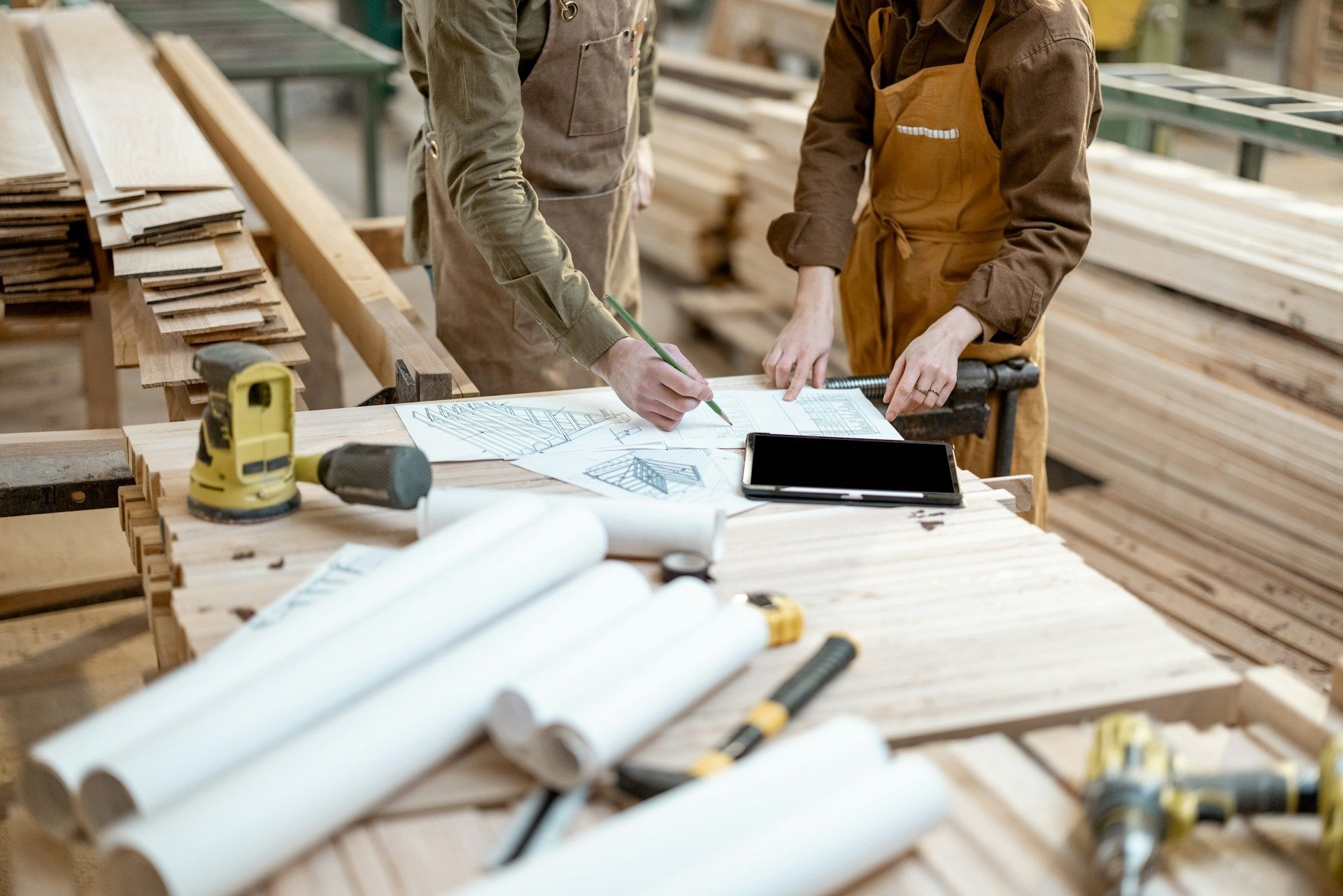
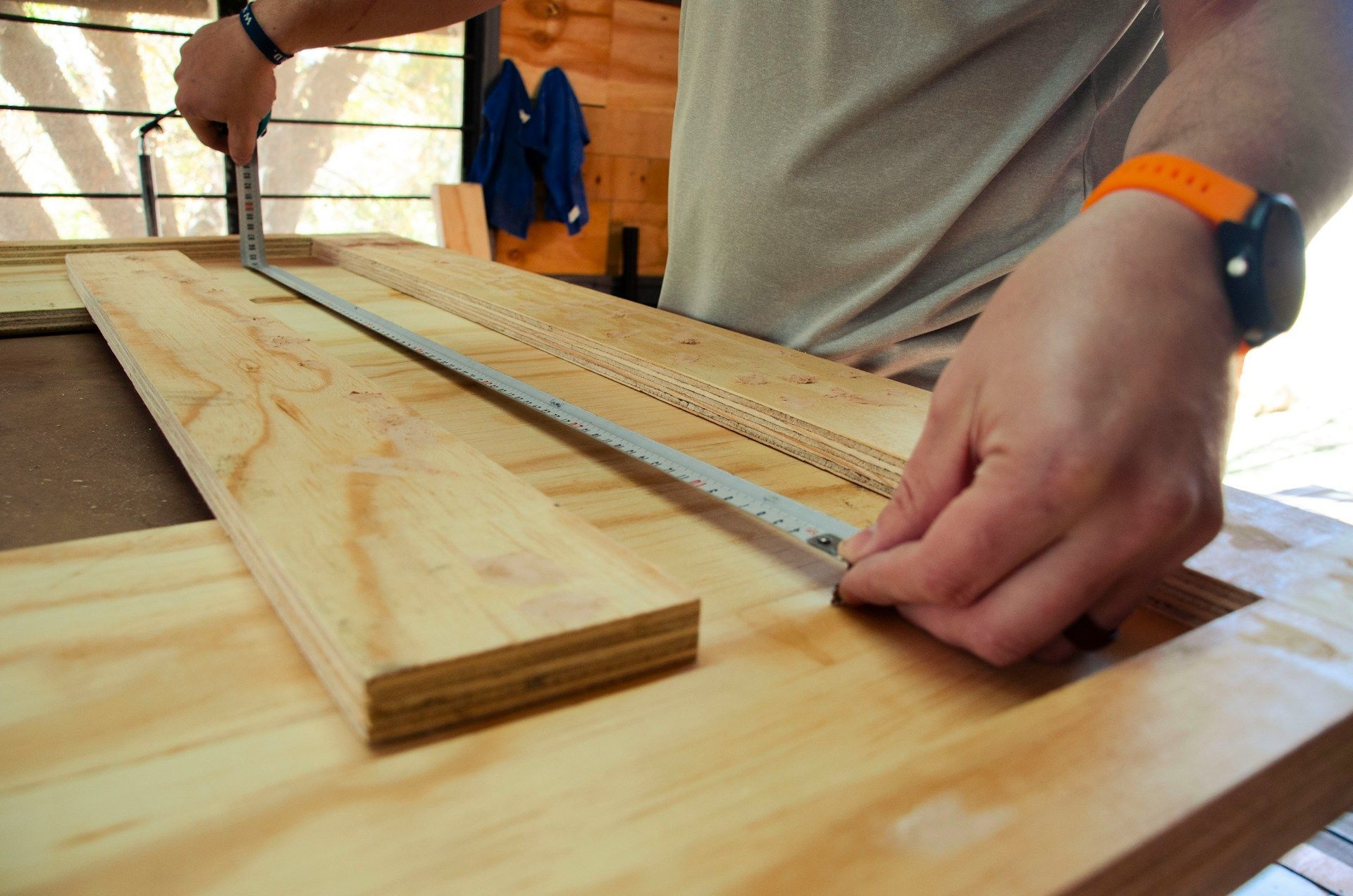
At White Oak, we talk a lot about a slow-build, no-shortcuts mindset. For custom closets, that starts long before any boards are cut. We take time to measure carefully, check walls and ceilings for waves or bumps, and work through layouts before committing to a final plan. Rushing this stage usually leads to gaps, awkward clearances, and pieces that never quite fit.
On-site, this slow-build approach shows up in the details. Dry fitting parts before final fastening lets us see how everything interacts in real conditions. Many Connecticut homes have uneven walls and slightly out-of-square corners, especially in older houses. We often need to scribe pieces so they meet the wall cleanly, instead of forcing everything to line up and putting stress on joints.
How a closet is anchored is just as important as what it is made from. Strong, long-lasting closets are:
- Fastened into studs or blocking, not just drywall
- Supported at key points along long shelf runs
- Leveled and plumbed carefully so doors and drawers operate smoothly
We also think about load planning. Tall cabinets, pull-out features, and heavy storage sections need support where the weight actually is, not just where it is convenient to screw something in. Good planning here prevents sagging, racking, and loosening over time.
Finishing details matter for durability too. Clean edges that line up, even door reveals, and careful caulking keep dust out of seams and reduce the chance of chipping. We protect floors and trim while we work, so the rest of your home is respected and left as clean as we found it. Respecting your home in this way, and taking our time in these moments, leads to fewer callbacks and repairs later.
Built to Last and How to Choose a Closet Builder
Choosing custom closets in Connecticut should feel less like picking a product and more like choosing a long-term part of your home. Before you hire anyone, it helps to ask clear questions. A simple checklist might include:
- What materials do you use for shelves, sides, and backing?
- How thick are the shelves and how are they supported?
- What type of hardware and hanging rods do you install?
- How do you fasten the system to the wall and structure?
- What steps do you take to deal with uneven walls or older construction?
It is also worth asking about their process, not just the timeline. Fast is not the same as careful. Good signs include:
- Detailed measurements and layout drawings before work starts
- Time built in for prep, dry fitting, and fine-tuning
- A clear plan for keeping the rest of the home clean and protected
White Oak was founded in 2022 by craftsman Michael Fogarty with a focus on precision woodworking and custom millwork. That background shapes how the team thinks about closets. To us, this kind of work is about honest, durable construction that respects the home it goes into. When a closet is built that way, with no shortcuts and a slow-build process, it feels solid every time you open the door, season after season.
Planning Your Next Closet Project with Care and Confidence
When you plan a new closet, it helps to think beyond quick installs and short-term fixes. Ask yourself how you want that space to work five, ten, or twenty years from now. Will the shelves still hold up? Will the rods still feel solid? Will the layout still make sense as your wardrobe and storage needs change?
A good starting point is to look closely at the closets you use every day. Notice what bothers you:
- Shelves that are too shallow or too deep
- Rods that are crowded or hard to reach
- Nowhere to put bulky items like coats, boots, or bins
Take simple measurements, note tight spots, and pay attention to how the seasons change what you store. These small observations are helpful when you talk with a professional builder who takes a careful, no-rush approach.
At White Oak, we believe custom closets in Connecticut that are built to last come from patient planning, precise craftsmanship, and a clear respect for your home and the people who live in it.
Transform Your Storage With a Custom Closet Designed Around You
If you are ready to upgrade cluttered rooms into organized, beautiful spaces, our team at White Oak Renovations is here to help. We design and build custom closets in Connecticut that fit your home, your style, and your daily routines. Tell us what you need, and we will craft a solution that makes every inch count. To start planning your project, simply contact us and schedule a consultation.