Put Basement Promises in Writing Before Work Starts
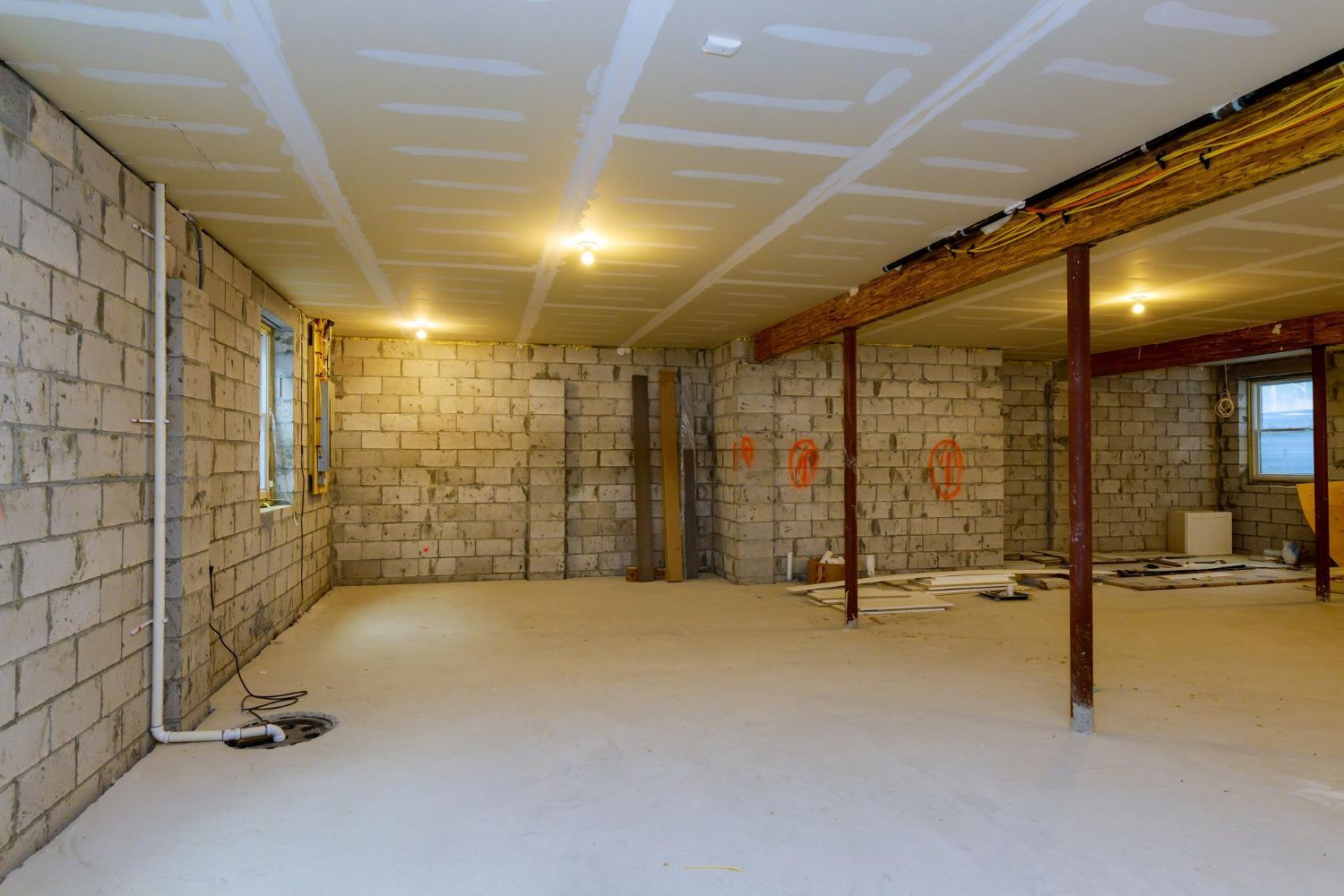
Finishing a basement should feel exciting. You are gaining real living space, maybe a family room, home office, or guest area. But many homeowners feel a knot in their stomach about moisture, mold, or repairs a few years down the road. That worry is valid, especially in a basement space that has to work harder than the rest of the house.
This is why what your basement finishing contractor puts in writing matters more than what they say during a walkthrough. Verbal promises are easy to forget or misunderstand. A clear contract, on the other hand, is something you can point to years later when questions come up.
At White Oak Renovations, we focus on three pillars in writing before any work starts: a precise waterproofing scope, detailed material specifications, and clear warranty terms. When those are spelled out, there are fewer shortcuts, fewer surprises, and a much better chance your basement is truly built to last, whether work starts before summer humidity or after it passes.
Defining the Waterproofing Scope in Plain Language
Moisture is the number one threat in a finished basement. In Connecticut, snowmelt, spring rain, and humid summers all put pressure on foundations. You want to enjoy your new space, not stress about every heavy storm.
Your written contract should include clear waterproofing details in plain language. It should say what is and is not part of the job. That way, you know if your contractor is solving water issues or just covering them up with pretty finishes.
Look for items like:
- Whether interior drainage systems are included
- If sump pumps or backup pumps are part of the project
- What type of vapor barriers or moisture membranes will be installed
- How wall or floor cracks will be treated, if at all
Location-specific notes are just as important. A careful contractor writes down:
- Which walls or corners have known seepage or staining
- How high water has ever reached on the walls or slab
- Where drains, discharge lines, or pump outlets will be installed
Performance expectations also belong in writing. Is the goal to control minor seepage, stop bulk water under normal weather, or address serious hydrostatic pressure? A thorough basement finishing contractor will also note how they handle surprises, like groundwater problems uncovered once old finishes are removed. This avoids arguments later about what was “included.”
Material Specs That Protect Your Basement Investment
Materials that work fine on a sunny second floor do not always belong against cool concrete. Basements run cooler, tend to be more humid, and sit closer to soil. That changes how materials behave over time.
For a finished space that lasts, the contract should spell out exactly what is going into your walls, floors, and ceilings. Not just generic labels, but clear descriptions.
Key material specs that should be written out include:
- Insulation type and placement
- Framing lumber type and size
- Subfloor or sleeper systems, if used
- Drywall type for walls and ceilings
- Flooring type, such as luxury vinyl plank, tile, or engineered wood
- Trim materials, such as wood species or composite products
Instead of “moisture-resistant drywall,” a good spec might read more like “5/8 inch moisture-resistant gypsum board at all exterior walls,” along with the manufacturer and product line. That level of detail protects you from silent substitutions that could shorten the life of your project.
At White Oak Renovations, we rely on written specs to support a no shortcuts approach. That can include:
- Fastener type and spacing for framing and drywall
- Underlayment type and thickness under flooring
- Specific primers, paints, and clear finishes on woodwork
These details might sound small, but together they decide how your basement handles temperature swings, humidity, and daily use over many years.
Warranty Terms That Actually Mean Something
A handshake and a “we’ll take care of you” comment are not a warranty. If a basement finishing contractor truly stands behind their work, you will see it line by line in the paperwork.
There are usually three main warranty categories:
- Workmanship warranty from the contractor
- Manufacturer warranties on products such as flooring, windows, or pumps
- Any separate waterproofing warranty if a specialist is involved
The contract should clearly list the length of the workmanship warranty, such as a set number of years, what issues are covered, and what is not. Covered items might include cracked joints at new trim, lifting or separating flooring in normal use, or leaks along new drainage work. Exclusions might cover natural disasters, homeowner changes to the space, or ignoring required maintenance.
Maintenance expectations need to be specific too. Common items include:
- Running a dehumidifier during humid months
- Keeping sump pump pits clear and checking that pumps are plugged in
- Cleaning filters or screens on drainage equipment, if present
- Watching for early signs of moisture so small issues can be handled quickly
A trustworthy contractor will not rush this part. They will walk you through the warranty in plain language and hand over copies of any manufacturer or waterproofing warranties, instead of leaving you to hunt for them later.
Communication, Change Orders, and Respecting Your Home
A well-written contract is not only about pipes and panels. It also explains how people will work in your home. Clear communication standards keep your project on track and your stress level down.
Some items to look for in writing:
- Who your main point of contact is
- How often you will get updates during the job
- How questions or concerns will be handled
Change orders are another area where clarity matters. On a real job, plans can shift. Maybe a hidden crack appears, or you decide you want built-ins where you planned for a simple wall. A fair process is written down, so you know:
- How new work is described
- How added or removed items are priced
- That you approve changes in writing before the crew pushes ahead
Respect for your living space should also show up in the contract. That can include work hours, dust control steps, protection of floors and stairs, and daily cleanup routines. This is especially important when your family is living above the basement during the remodel.
Founded in 2022 by Michael Fogarty, White Oak Renovations was built around careful planning and honest communication. We lean on written details so every step respects your home and your time, not just the final reveal.
Choosing a Contractor Who Puts Every Detail on Paper
For a real basement transformation, a one page estimate is not enough. When you are planning work around wetter seasons like spring and fall, it becomes even more important to know exactly how your basement finishing contractor will handle moisture, materials, and long term performance.
Before you choose a contractor, ask questions such as:
- Can I see your standard waterproofing scope in writing?
- Where will you note known seepage areas or water lines in my basement?
- Will you list material brands, product types, and thicknesses in the contract?
- How long is your workmanship warranty, and what does it cover?
- Will I get copies of all manufacturer and waterproofing warranties?
- How do you document and price change orders?
The team at White Oak Renovations believes a finished basement should feel solid and reliable, with no shortcuts and no guesswork. A good contract reads like a roadmap for that result: clear waterproofing scope, detailed material specs, meaningful warranty terms, and written ground rules for how the work gets done.
If you already have basement project paperwork, it is worth sitting down and reading it with fresh eyes. Mark any gaps or vague notes, write down your questions, and talk them through with a professional who is willing to slow down, explain, and put every critical promise in writing before the first wall is framed.
Get Started With Your Project Today
Transform your unused basement into a functional, inviting space with White Oak Renovations guiding every step. As an experienced
basement finishing contractor, we focus on quality craftsmanship, smart layouts, and finishes that match your style and budget. Reach out today so we can discuss your ideas, answer your questions, and outline a clear plan for your renovation. If you are ready to move forward, simply
contact us to schedule a consultation.