Build a basement that stays dry, solid, and beautiful
Basements in Connecticut work hard. They sit against cool concrete, see big swings in humidity, and often feel a little damp even on clear days. That mix is tough on wood, paint, and hardware, especially in a finished space you want to feel like a true extension of the main floor.
The materials and finishes you choose can be the difference between trim that swells and grows mold after a few years and millwork that still looks sharp decades from now. When you are thinking about luxury basement remodeling in Connecticut, it pays to think past color and style and start with what will actually last in that environment.
At White Oak Renovations, we focus on luxury basements, precision woodworking, and custom millwork that are built to last. We take no shortcuts, and we approach each project with the mindset of respecting your home as if it were our own. This guide walks through how we think about wood species, profiles, finishes, and hardware, and why our slow build approach and acclimation habits matter so much in a Connecticut basement.
How Connecticut Basements Treat Wood
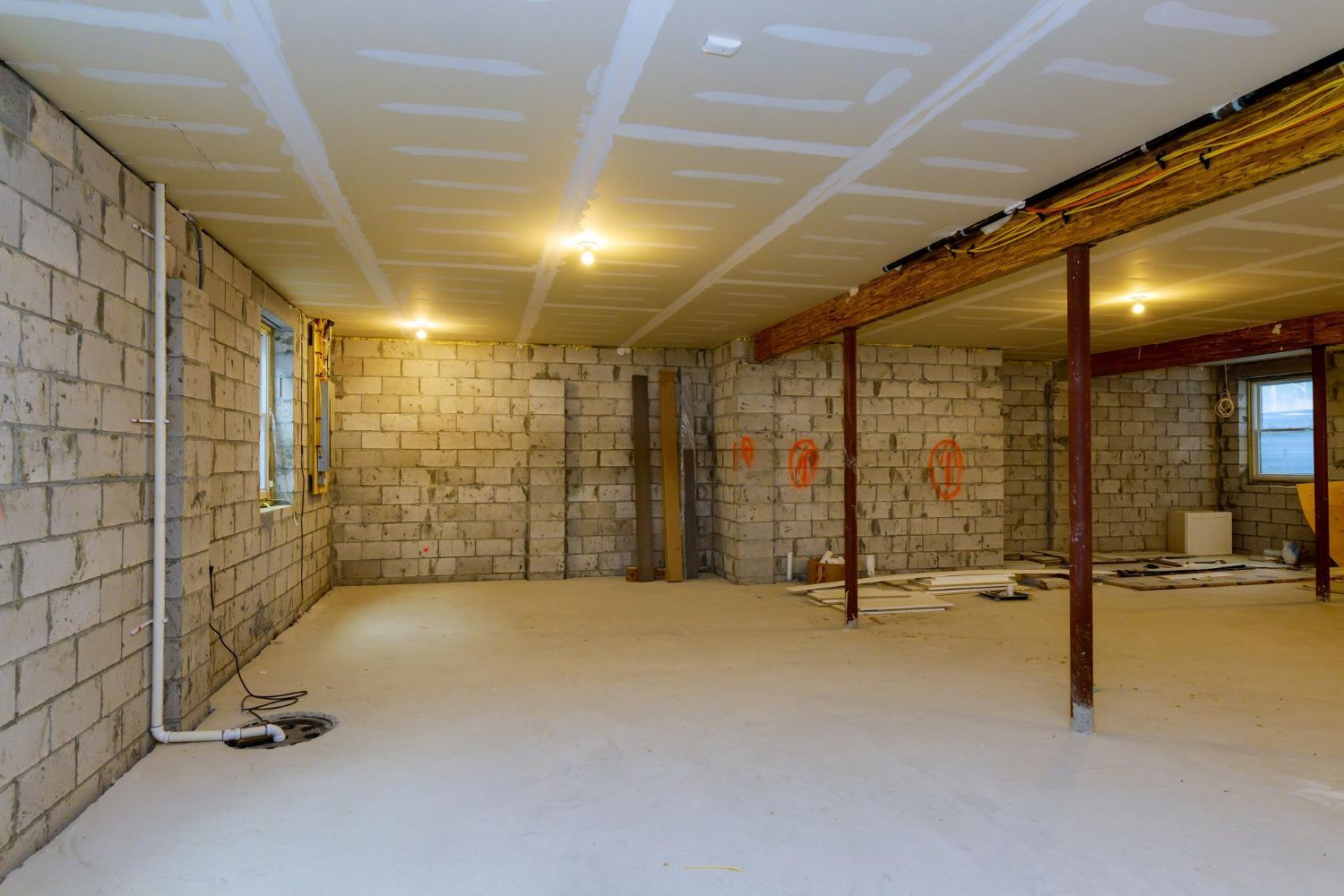
Connecticut basements see a lot of moisture swings. Snow melt and spring rain raise groundwater and push moisture through concrete. Summer brings higher humidity, and the basement slab and walls often stay cooler than the air. That mix creates a steady source of water vapor, even when floors feel dry underfoot.
Here’s what that can do to wood and finishes over time:
- Cupping and bowing in boards as one side picks up more moisture than the other
- Swelling around door edges and cabinet faces so things stick and scrape
- Peeling paint or bubbling veneer where moisture works in from the backside
- Hidden mold behind trim or panels where still air and cool surfaces stay damp
Concrete is not waterproof. It is more like a sponge. Water vapor moves through it and hits the cooler air in the basement. When warm, humid air touches those cool surfaces, condensation can form, even if you never see standing water. So a basement that feels mostly dry can still be punishing on wood, glue lines, and hardware.
These realities shape every step of our work, from framing layout to the last coat of finish. In luxury basement remodeling in Connecticut, the environment is not an afterthought, it is a design constraint. That is why species choice, milling details, finishes, and hardware all need to work as a team.
Mold-Resistant Wood Choices And Smart Millwork Details
Not all wood products behave the same way down against a cool foundation. Some move and soak up moisture quickly, others are more stable and forgiving.
We at White Oak Renovations tend to steer homeowners toward:
- Engineered hardwood or high-grade plywood for built-ins and paneling, since they are more dimensionally stable than wide solid boards
- Moisture-resistant MDF or PVC for baseboards and other trims that sit close to the slab
- Solid hardwood in narrower widths, used where movement can be controlled and detailed carefully
In a basement, we pay close attention to where wood touches masonry or sits near the floor. Near the concrete slab, a composite or moisture-resistant MDF baseboard can outperform traditional pine. For large built-ins, engineered panels help keep doors and face frames flatter over time.
Details in the profiles matter too. The team at White Oak often designs:
- Small shadow lines and reveals that hide minor seasonal gaps
- Raised bases or ladder-style toe-kicks that keep cabinets slightly off the floor
- Scribe pieces along uneven walls so trim can be replaced or adjusted without tearing everything apart
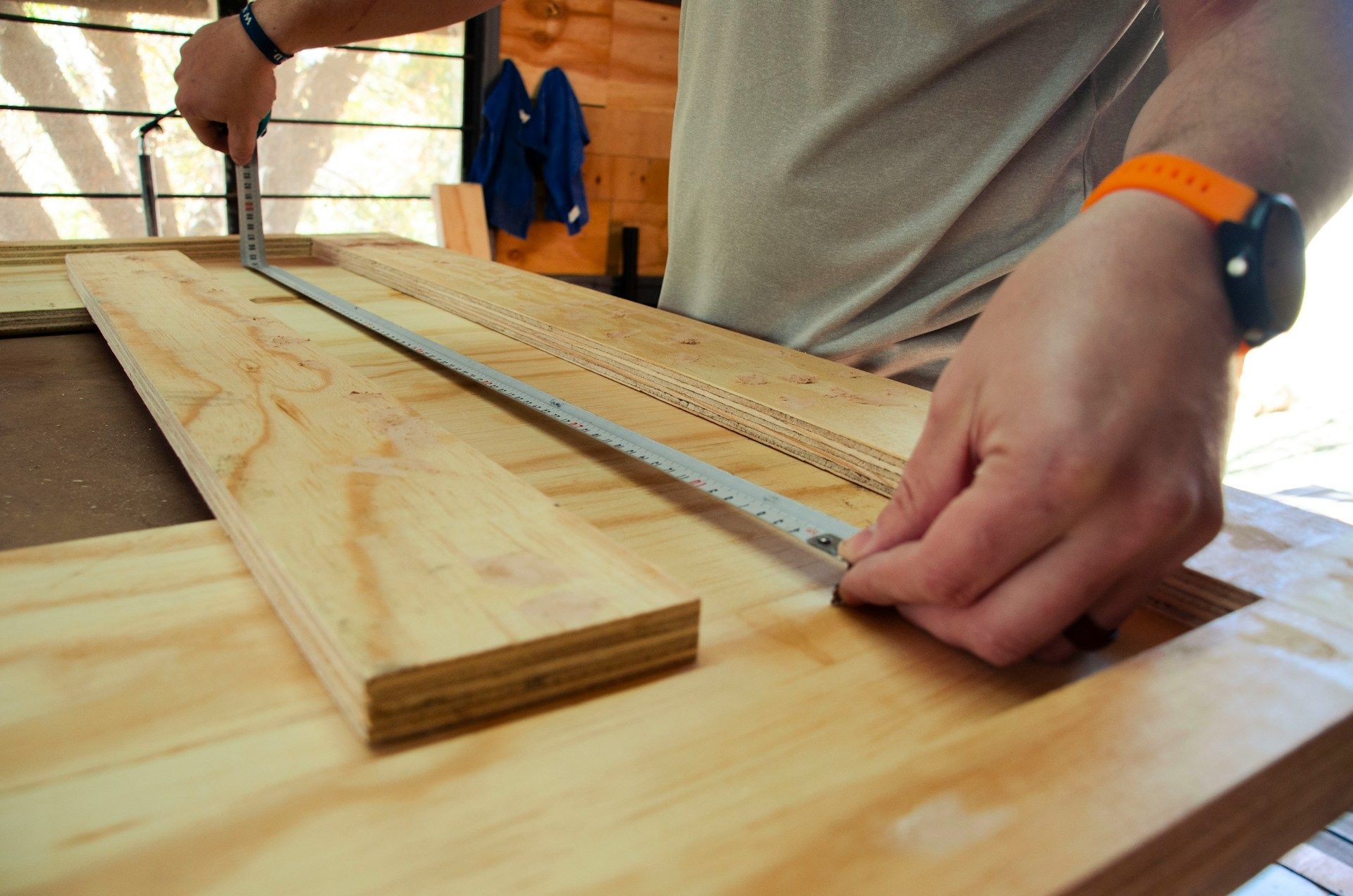
On the backside, we back-prime trim, panels, and sometimes even scribe strips. That light coat on hidden surfaces slows moisture gain and keeps the whole piece more balanced. Just as important, we bring millwork into the space ahead of time and let it rest. We check moisture content, then give the wood days or even a couple of weeks to acclimate, especially during spring when basements are still settling from winter conditions.
That slow build approach avoids shock to the wood. We would rather wait and install material that has adjusted to your basement than rush and fight nail pops, splits, and swollen joints later. This is one of the ways we ensure no shortcuts and protect the long-term performance of your space.
Sealers, Primers, And Finishes That Stand Up To Humidity
Good basement millwork is like a layered raincoat. The wall assembly handles vapor control, then the wood itself gets thoughtfully sealed and finished.
For primers and sealers on trim and built-ins, we focus on:
- Mold- and mildew-resistant primers on all faces, including the backside you never see
- High-quality, low-VOC sealers that flood cut ends, edges, and screw pockets
- Careful sealing at end grain, which soaks up moisture much faster than face grain
For clear finishes on wood, we often use waterborne urethane products. They cure hard, resist abrasion, and handle basement humidity without the heavy yellowing of some older oil-based coatings. For painted millwork, we lean toward high-end acrylic or hybrid enamel paints that cure into a tough shell and resist sticking or blocking when the air is sticky.
Sheen matters too. We usually like satin or soft semi-gloss on basement trim and built-ins. These sheens:
- Wipe clean without showing every fingerprint
- Hide small surface waves common in older foundations and framing
- Reflect just enough light to brighten a space without looking shiny
Timing is a big part of finish success. Rushing to paint or clear-coat during a damp week can trap moisture and slow curing. We control temperature and air movement, run dehumidifiers when needed, and plan finishing steps for conditions that let coatings cure properly rather than just dry on the surface.
Hardware, Fasteners, And The Power Of The Slow Build
Hardware is often the first thing to show that a basement is stressed. Regular steel screws near concrete can rust, cheap hinges sag as doors move, and budget drawer slides start to grind when wood swells even a little.
To keep things working smoothly, we specify:
- Stainless steel or coated fasteners anywhere near masonry or known damp areas
- Quality European-style hinges with face-frame or frameless options and three-way adjustment
- Full-extension, soft-close slides on drawers and pull-outs, rated for the real loads they will carry
Installation details help just as much as product choice. We anchor into the right parts of the structure, not just drywall, and often create small stand-offs or use composite shims where cabinets sit against exterior foundation walls. This lets air move and limits moisture wicking straight into wood backs.
All of this is tied to our slow build mindset. We sequence work so the basement has time to breathe between major wet stages. That means:
- Letting concrete patches and self-leveling compounds cure before we bring in finish materials
- Allowing drywall mud and primer to dry out before installing doors, trim, and built-ins
- Bringing doors and millwork into the basement to acclimate at target temperature and humidity
We do not guess based on how the space feels. We use moisture readings and visual checks to decide when to move forward. Taking an extra several days before installing a custom built-in in a spring basement can prevent hairline cracks, sticky doors, and separated joints that would otherwise show up later.
Planning A Basement That Still Looks New Decades From Now
If you are planning luxury basement remodeling in Connecticut, it helps to look beyond the pretty surface. Think about what is happening inside the walls, behind the panels, and under the clear coat. The right material and finish specs are what keep a refined space feeling tight, quiet, and solid years from now.
A good first step is to walk your current basement. Notice any musty smells, rust on metal surfaces, swollen trim, or peeling paint near the floor. Those are signs that better materials, sealing, and hardware choices will matter in your remodel. When you talk with any contractor, ask how they handle millwork acclimation, moisture testing, primers, and hardware, not just paint colors and door styles.
White Oak Renovations was founded in 2022 by craftsman Michael Fogarty with a focus on honest communication, respect for your home, and work that is built to last. That craftsman mindset is what drives our slow build approach and every specification we make, from the species of wood we bring into your basement to the last screw that holds a shelf in place. We take no shortcuts, and we treat your home with the same care and respect we bring to our own, so your basement can stay dry, solid, and beautiful for decades.
Get Started With Your Dream Basement Retreat Today
If you are ready to transform your unused space into a custom retreat, our team at White Oak Renovations is here to help. Explore what is possible with
luxury basement remodeling in Connecticut tailored to your home, lifestyle, and budget. Tell us about your vision, and we will provide a clear, detailed plan to bring it to life. To schedule a consultation or ask questions, simply
contact us.