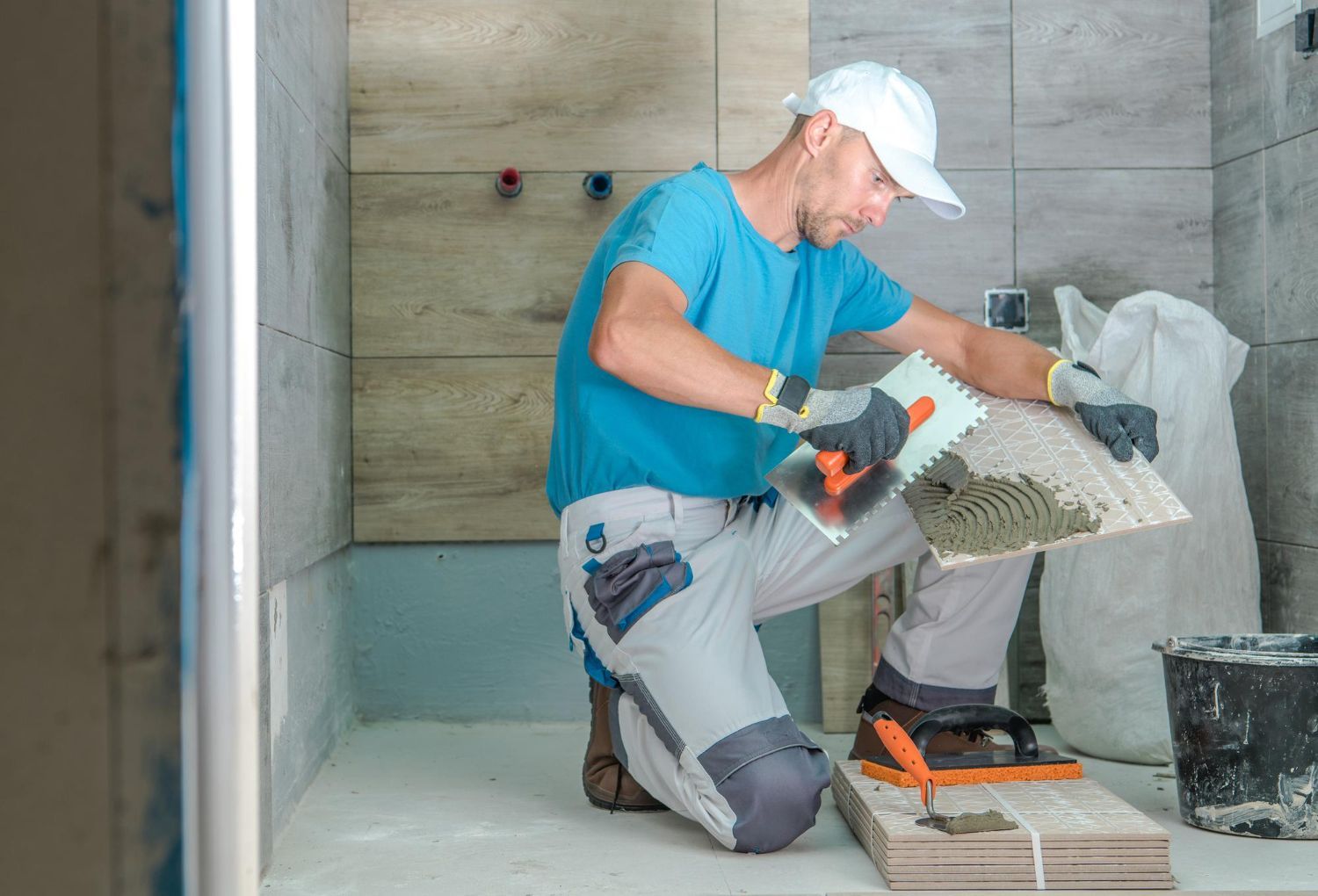
Breathe Easier in a Basement Built to Last
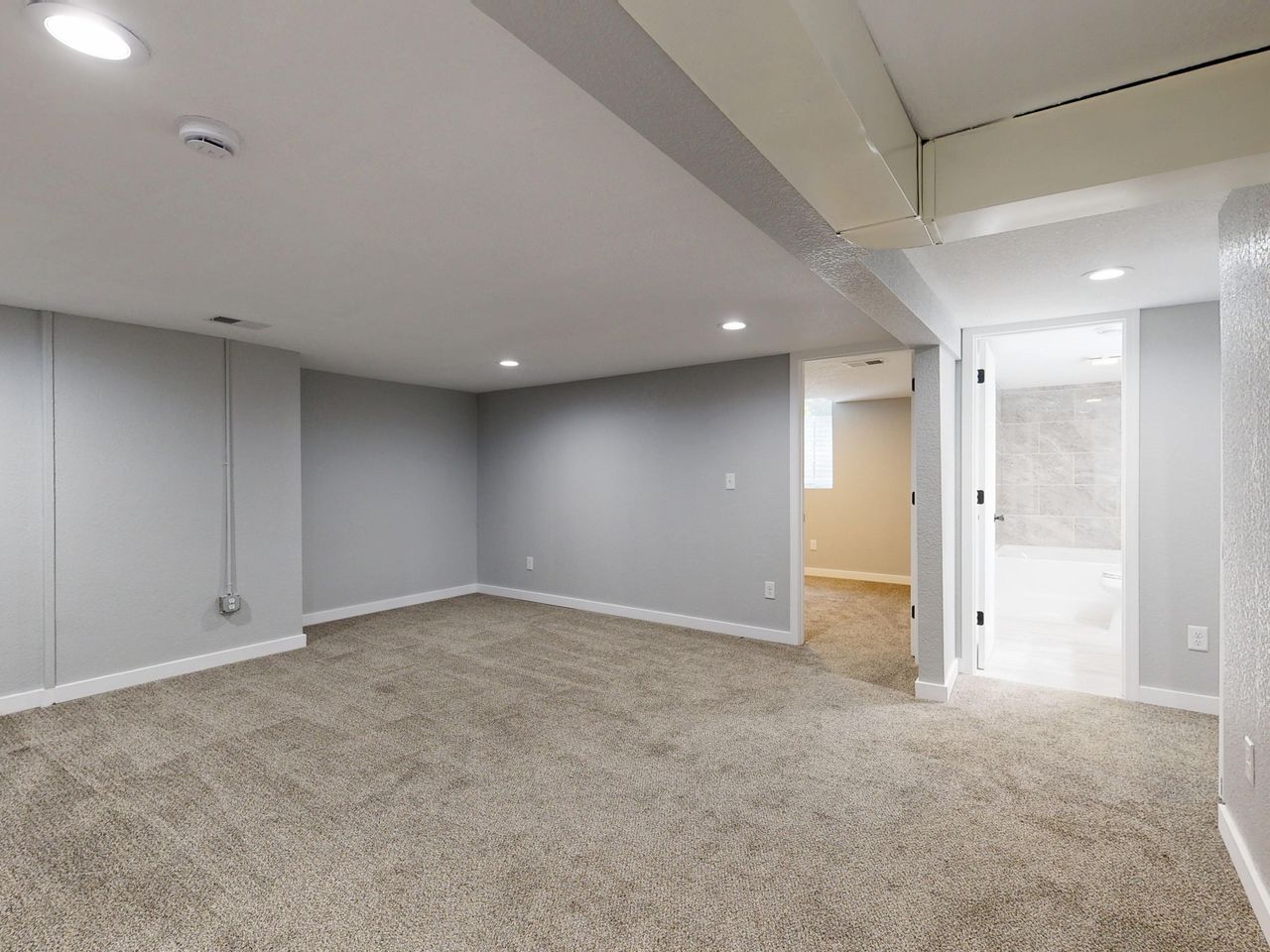
A finished basement should feel as fresh and comfortable as the rest of your home. If it looks nice but smells musty or feels stuffy, that is a warning sign that something was rushed or skipped behind the walls. A basement can be beautiful on the surface and still hide moisture, stale air, and lingering odors that affect how your whole home feels.
A slow-build approach to basement remodeling focuses on planning, proper timing, and careful sequencing so the space dries, cures, and breathes the way it should. That means better air quality, less chance of mold, and a room you actually want to use, even in humid weather. Good air is comfort, health, and long-term value, all at the same time.
At White Oak Renovations, a Connecticut-based remodeling contractor founded in 2022 by Michael Fogarty, we take that slow-build mindset seriously. Our work in luxury basements, precision woodworking, and custom millwork is always guided by the same ideas: no shortcuts, honest work, and respecting your home from the first walkthrough to the final sweep-up.
Why Basements Struggle with Air Quality
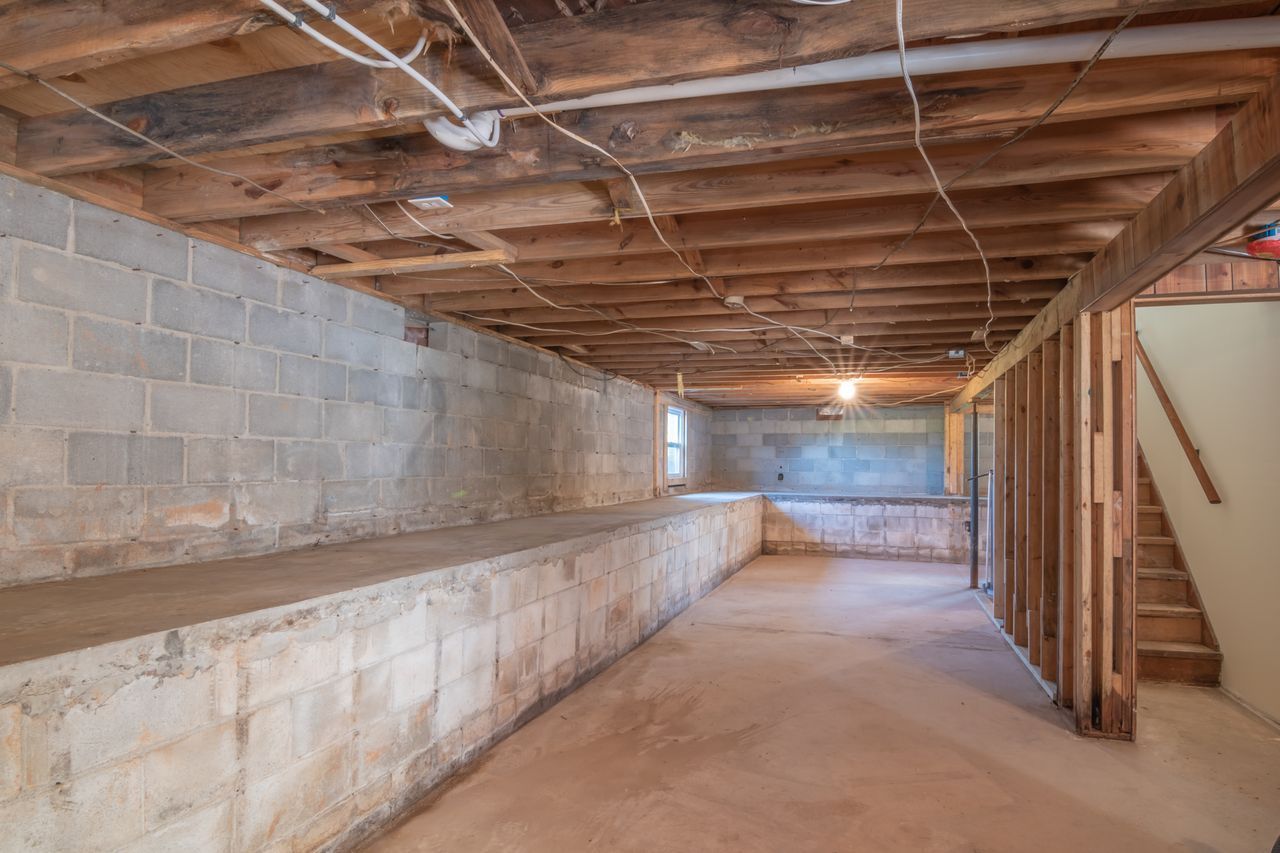
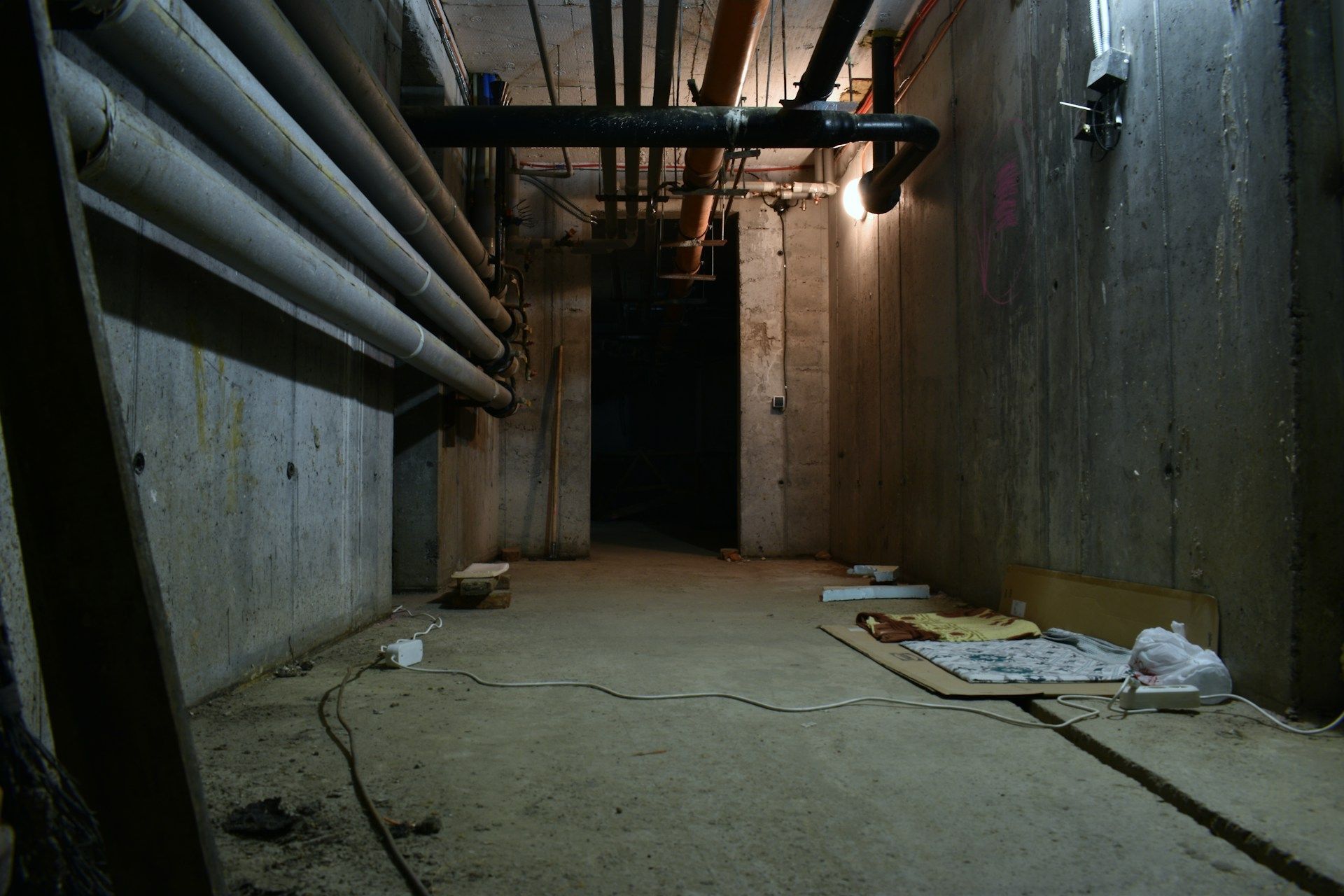
Basements are different from the rest of the house. They sit below grade, pressed against soil that can stay damp long after a rainstorm. Concrete walls and slabs can hold moisture, and natural airflow is usually limited. All of that creates a perfect setup for air problems if the remodel is rushed.
Common issues in basements with poor air include:
- Musty or “earthy” smells
- Condensation on walls, windows, or pipes
- Dusty, stale air that feels heavy
- Spots of mildew or mold on surfaces
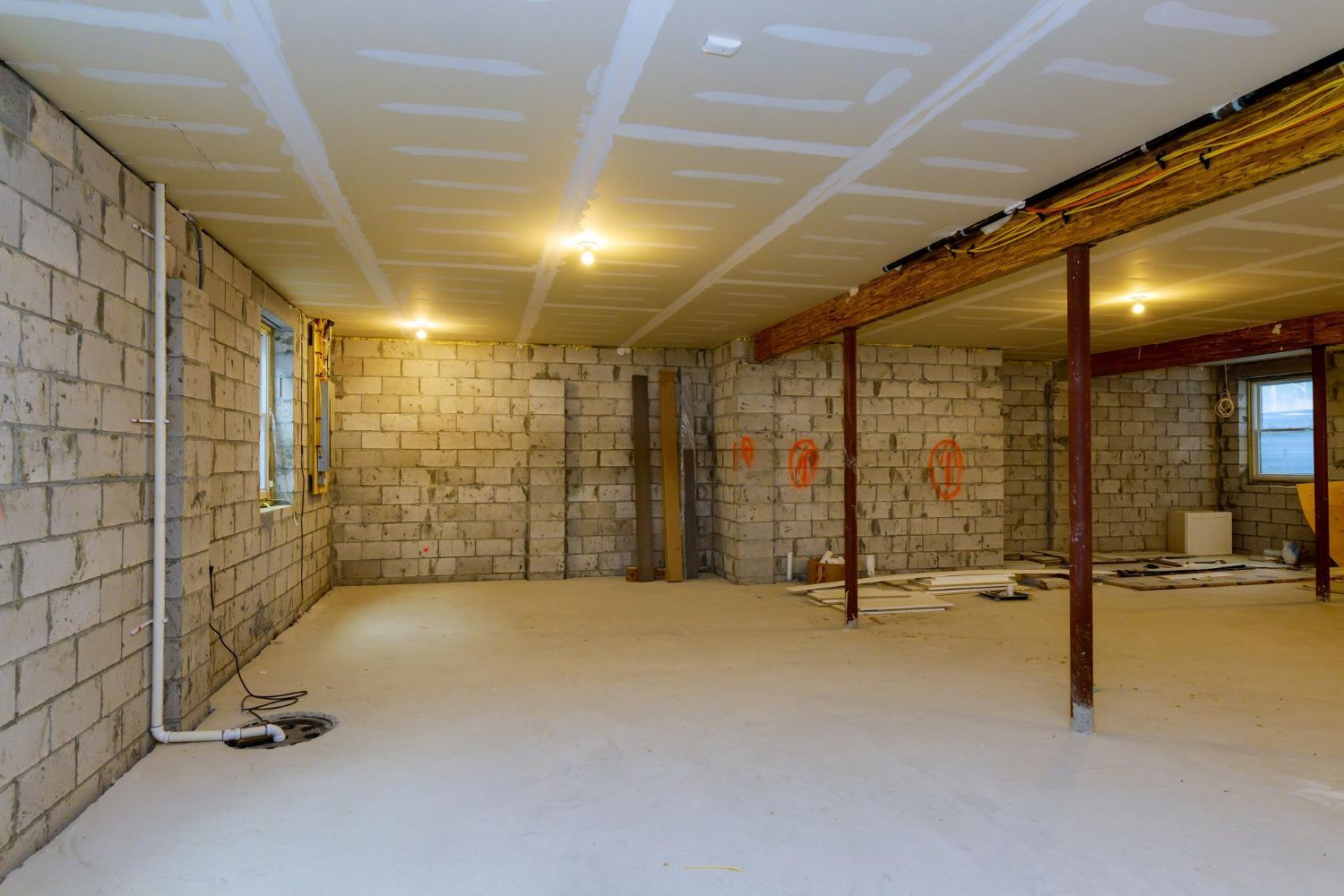
When basement remodeling gets rushed, the risk goes up. Framing, insulation, and drywall often go in before the space is truly dry. Moisture can get trapped behind walls or under flooring. Condensation can form on the cool concrete, then get locked in once everything is closed up.
On top of the moisture risk, many building materials give off VOCs, or volatile organic compounds. These come from:
- Certain paints and stains
- Some adhesives and caulks
- Flooring products and finishes
If all these materials go in quickly, with little time for curing or airflow, the space can smell “new” in a harsh, chemical way. That odor can linger, especially in a basement that already has limited ventilation.
How a Slow-Build Approach Protects Your Air
A slow-build philosophy means we do not race to the finish. Instead, we move at a pace that respects how buildings and materials actually behave. It is about patience and sequence, not procrastination.
Key parts of a slow-build basement remodel include:
- Thorough assessment before any walls go up
- Measured pacing between wet trades, like concrete work and drywall
- Checking conditions at each stage before moving forward
Concrete, leveling compounds, and sealers all need time to cure and release moisture. If new framing, insulation, and finishes cover them too soon, that moisture has nowhere to go. By giving those layers space and time, we reduce the chance of trapped dampness and that “cold, wet” feeling underfoot.
The same goes for products that off-gas. When paints, sealers, and adhesives get proper drying time, more of the odor clears before the space is put to daily use. At White Oak Renovations, we plan the schedule so there is room for that curing and airing period, instead of stacking every trade on top of the last.
We also monitor the space as we go. That can mean:
- Checking humidity and temperature before closing ceilings and walls
- Looking for signs of condensation or damp spots after rain
- Adjusting dehumidification and airflow during the build
This slower, step-by-step approach is not about dragging out the project. It is about building a basement that feels clean and comfortable long after the last worker leaves.
Moisture Control That Respects Your Home
Every good basement project starts with one big question: where is the water trying to go? Before talking trim styles or paint colors, we focus on moisture. Respecting your home means taking the time to understand how water and air move through it.
We begin with investigation and testing, not guesswork. That can include:
- Checking for existing leaks, seepage, and staining
- Inspecting foundation walls and slab surfaces
- Looking at exterior grading and downspout paths
Once we understand the conditions, we design assemblies that can dry instead of staying damp. That often includes:
- Using proper vapor barriers where they belong, not just everywhere
- Choosing insulation that works with below-grade walls
- Leaving planned air gaps so moisture can move and escape
Moisture control is also about the right equipment. Dehumidifiers and ventilation should not be an afterthought shoved into a corner.
Good planning for air movement can include:
- Dedicated dehumidifiers sized for the square footage
- Supply and return air runs that keep the basement tied into the home’s system
- Exhaust fans for bathrooms or other areas that add moisture
When all of this is done carefully, the basement is less likely to grow mold, feel damp under bare feet, or send musty air up into the rest of the house.
Millwork, Materials, and Time for Safe Off-Gassing
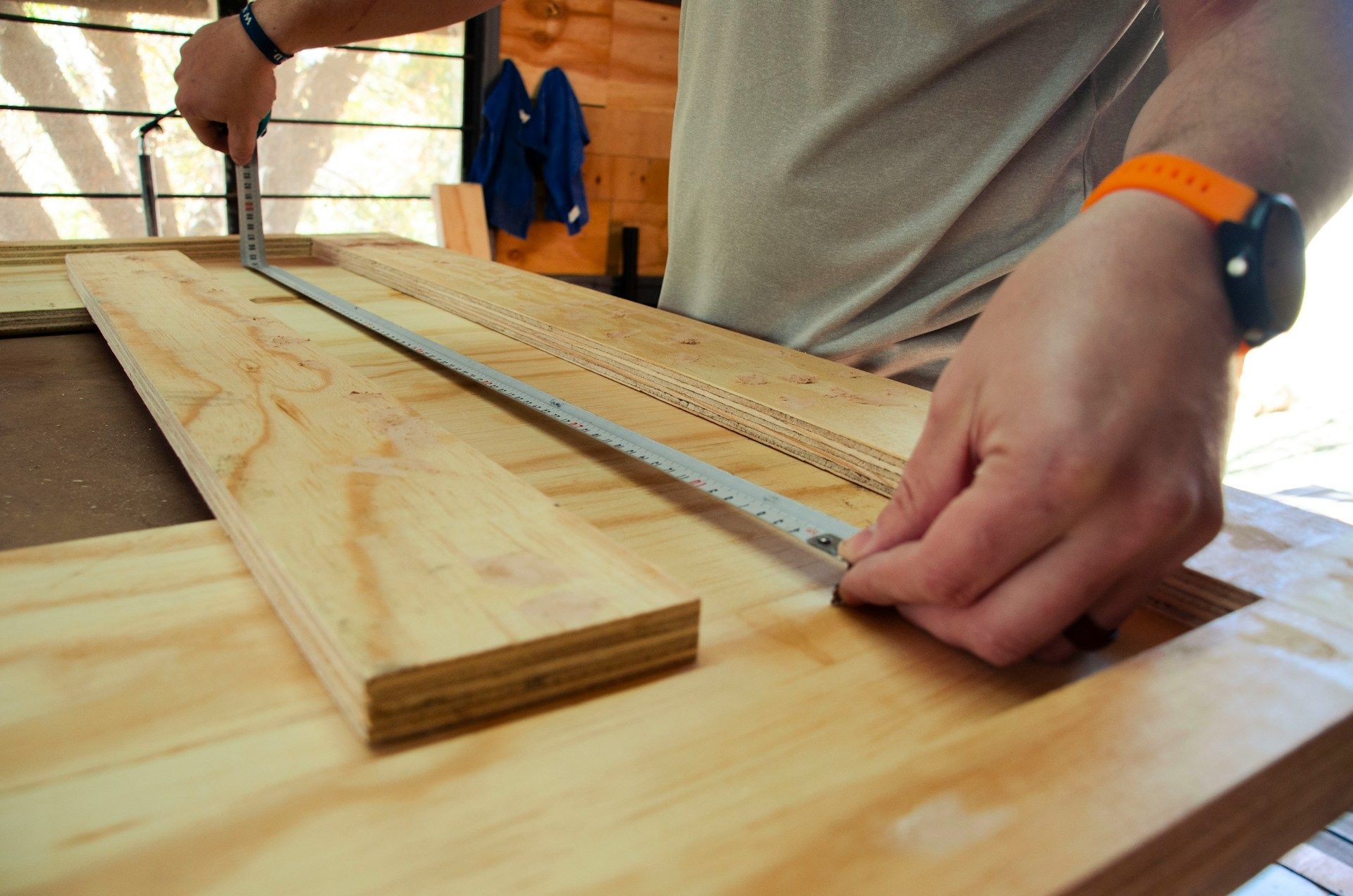
Luxury basements often include a lot of wood: built-ins, bars, wall panels, and trim. Wood is a living material. It reacts to temperature and humidity, especially in a basement. If it is rushed into place, it can warp, crack, or open gaps that let dust and drafts collect.
At White Oak Renovations, we give our custom millwork time to acclimate. That means:
- Storing wood and trim in the space before installation
- Letting it adjust to the room’s humidity and temperature
- Checking for movement before final fastening
Finishes matter too. Some paints, stains, and clear coats give off stronger odors than others. We lean toward lower-VOC options when possible, then schedule the work so they have time to cure.
A patient finishing process usually includes:
- Thinner, multiple coats instead of heavy, rushed layers
- Proper sanding between coats for a smooth, lasting surface
- Plenty of drying time with controlled airflow
The benefit is twofold. Air quality improves because fewer fumes are trapped in the space. The finished woodwork also looks better and stays more stable, which fits our goal of work that is built to last.
Spring and Summer Basements That Stay Fresh
In Connecticut, spring brings snowmelt, rain, and swinging temperatures. Humidity starts creeping up as we move toward summer. These shifts are hard on basements. It is a season when rushing a remodel is especially tempting and especially risky.
A slow-build timeline respects those seasonal swings. During a spring basement remodeling project, we pay close attention to:
- Moisture readings in concrete and framing
- Humidity levels in the air
- How the space behaves after heavy rain
Final flooring, trim, and built-ins do not go in until those readings are stable. That patience pays off when July and August arrive. Instead of a basement that only felt good the week it was finished, you get a space that still smells clean and feels dry when the outside air is thick and sticky.
Planning a Basement Remodel That Puts Air First
If you are planning basement remodeling, air quality should sit right beside layout and finishes on your priority list. A smart first step is asking any contractor how they deal with moisture, drying time, and ventilation. “No shortcuts” should mean clear steps, not just a slogan.
Helpful questions for a contractor include:
- How do you test for moisture before you start framing?
- What is your process for curing concrete and compounds before covering them?
- How do you design ventilation and dehumidification for a finished basement?
- What products do you use to help reduce strong odors and VOCs?
It also helps to allow a realistic timeline. A project that moves a little slower often performs much better over the long run. That patience protects your investment, your comfort, and the health of the air your family breathes.
Since being founded by Michael Fogarty, White Oak Renovations has focused on craftsmanship, honesty, and respecting every home we enter. Our slow-build approach to basement remodeling is simple: do the work carefully, give materials and spaces time to behave as they should, and leave you with a basement that feels as good as it looks, season after season.
Get Started With Your Project Today
If you are ready to turn an unfinished or outdated lower level into a space your family truly uses, our team at White Oak Renovations is here to help. Explore your options for
basement remodeling and we will guide you through layout, materials, and finishing details that fit your home and budget. Tell us about your vision and schedule a conversation by
contacting us so we can start planning your project together.