Slow Millwork, Better Rooms
The team at White Oak Renovations knows that good trim can make a room feel finished, calm, and solid. It frames the space, ties the walls and floors together, and gives the eye a clear, orderly line. But good trim rarely happens on a rushed schedule. Careful custom millwork installation takes time, and that time is what keeps rooms looking sharp year after year.
Many homeowners feel the pressure of a deadline. Guests are coming, kids are almost out of school, or a new basement is needed as fast as possible. We understand that pressure. At the same time, we know that pushing for speed can work against a home when it comes to wood, moisture, and the way a house moves through the seasons. At White Oak Renovations, a Connecticut-based remodeling and custom carpentry company founded in 2022 by Michael Fogarty, we choose the slow route on purpose because we want trim to look just as good 10 or 20 years from now.
In this article, we at White Oak Renovations walk through why trim that goes in too fast fails too soon, what really happens during those “quiet days” on site, and why basements, in particular, call for a slower build. We also share how our approach to timing, honesty, and respecting your home leads to woodwork that is built to last.
Why Trim Installed Too Fast Fails Too Soon
Trim and millwork do a lot more than decorate a room. They do three big jobs at once:
- They frame the room and give it clean lines
- They hide gaps where different materials meet
- They protect edges that take bumps, like corners and stair parts
When trim fails, the whole room starts to look tired. Common signs include:
- Cracks at inside corners
- Baseboards pulling away from the wall
- Nail pops showing through paint
- Caulk lines tearing and leaving dark gaps
Rushed work is often to blame. If trim is nailed up before the wood adjusts to the room, or if it is forced tight against wavy framing, it may look fine on the last day of the project. Then the seasons change, the heat clicks on, the A/C kicks in, and the wood moves. In New England, that movement is real. Summers can be humid, winters are dry, and basements feel those swings even more.
In basements, there is also concrete, ground moisture, and sometimes less steady temperatures. All of this affects wood. Good custom millwork installation is not just about how crisp the corners look on day one. It is about whether those lines are still straight, tight, and calm long after the painter has cleaned up.
The Hidden Steps Behind Quality Millwork
When it comes to millwork, the most important work is often the part no one sees. On site, that can look like “nothing is happening,” but a lot is actually going on.
Before the team at White Oak Renovations starts fastening trim, we spend time on:
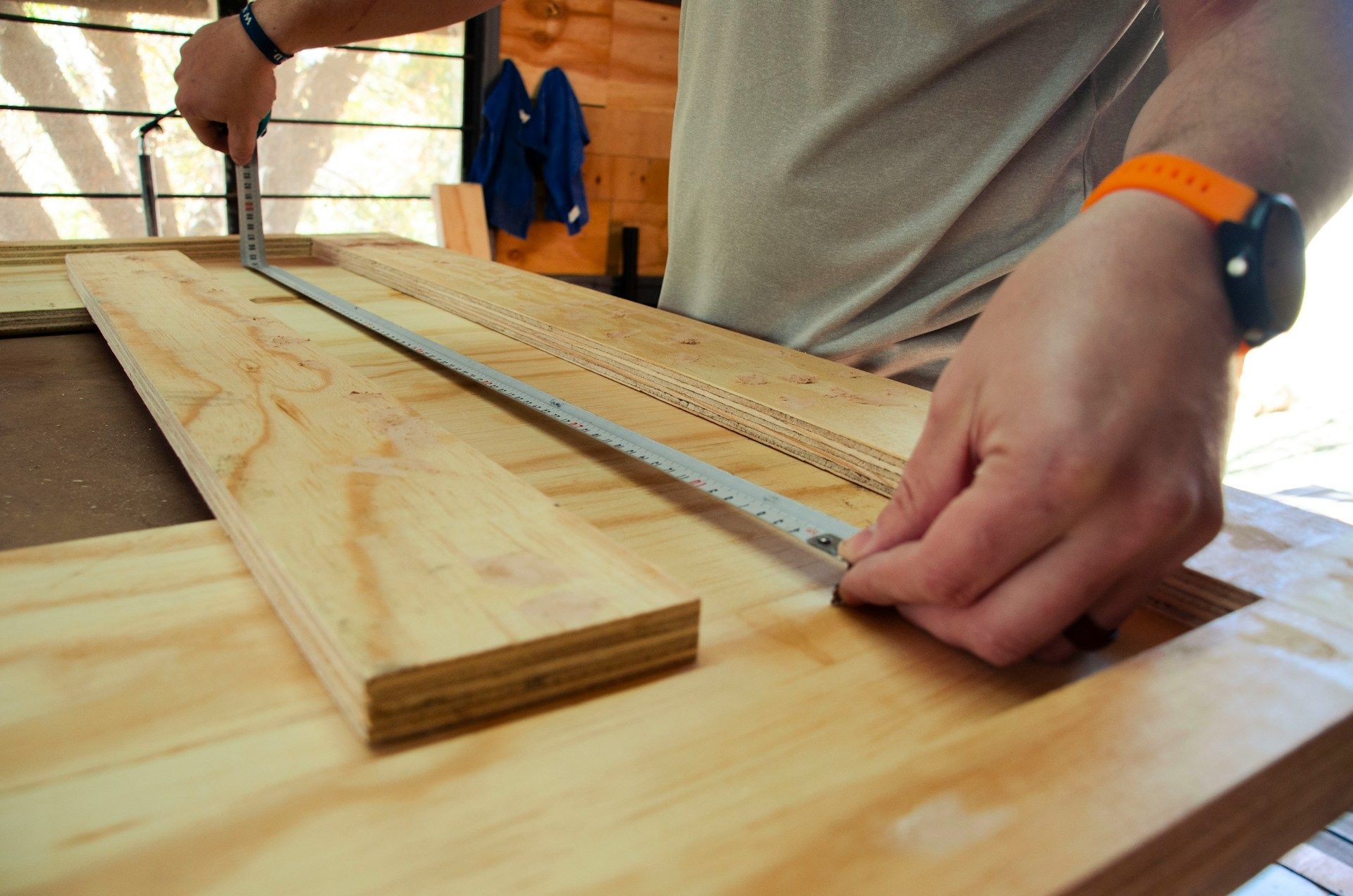
- Measuring carefully and checking walls, ceilings, and floors for waves and dips
- Planning the trim profiles so they fit the style of the house and the room
- Choosing materials that make sense for how the space will be used
Then there is wood acclimation. In simple terms, this means letting the trim get used to the home before we cut it. We bring the material into the house, stack it so air can move around it, and let it sit for a few days. During that time, the moisture inside the wood starts to match the moisture in the room. If we skip this step, the boards will often shrink or swell on the wall, which leads to open joints and twisted miters.
Our team checks moisture levels, looks over each board for defects, and plans around framing that may not be perfect. Instead of forcing a straight board onto a crooked wall, we might adjust the layout, use shims, or blend small changes so the finished trim reads as straight to the eye.
A thorough custom millwork installation from White Oak Renovations includes:
- Layout and reference lines
- Wood acclimation
- Test fitting and adjusting pieces
- Careful fastening and sensible spacing
This is very different from simply nailing boards to the wall. The time spent here prevents the kind of problems that often show up months later and lead to repainting or even replacing trim that should have lasted much longer.
Slow Craft in Basements That Stay Dry and Beautiful
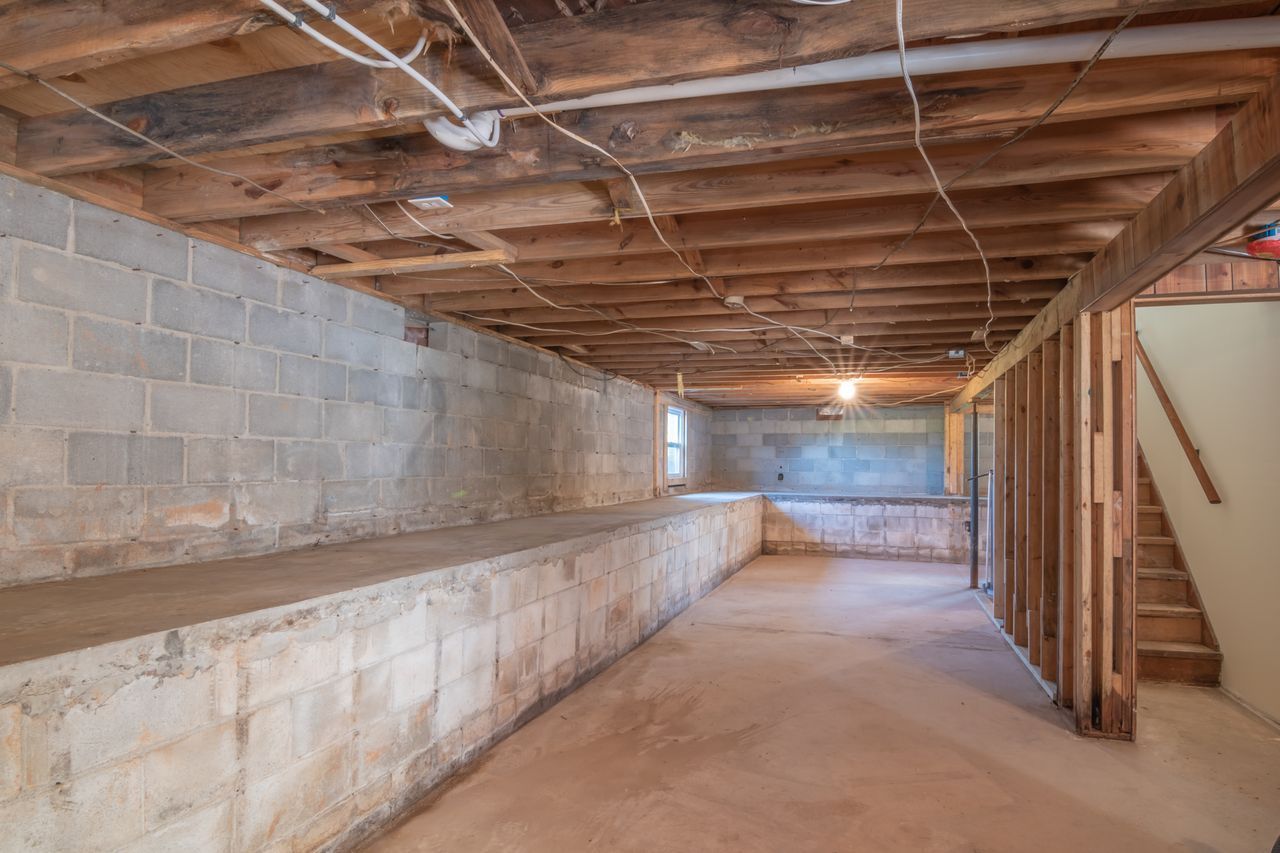
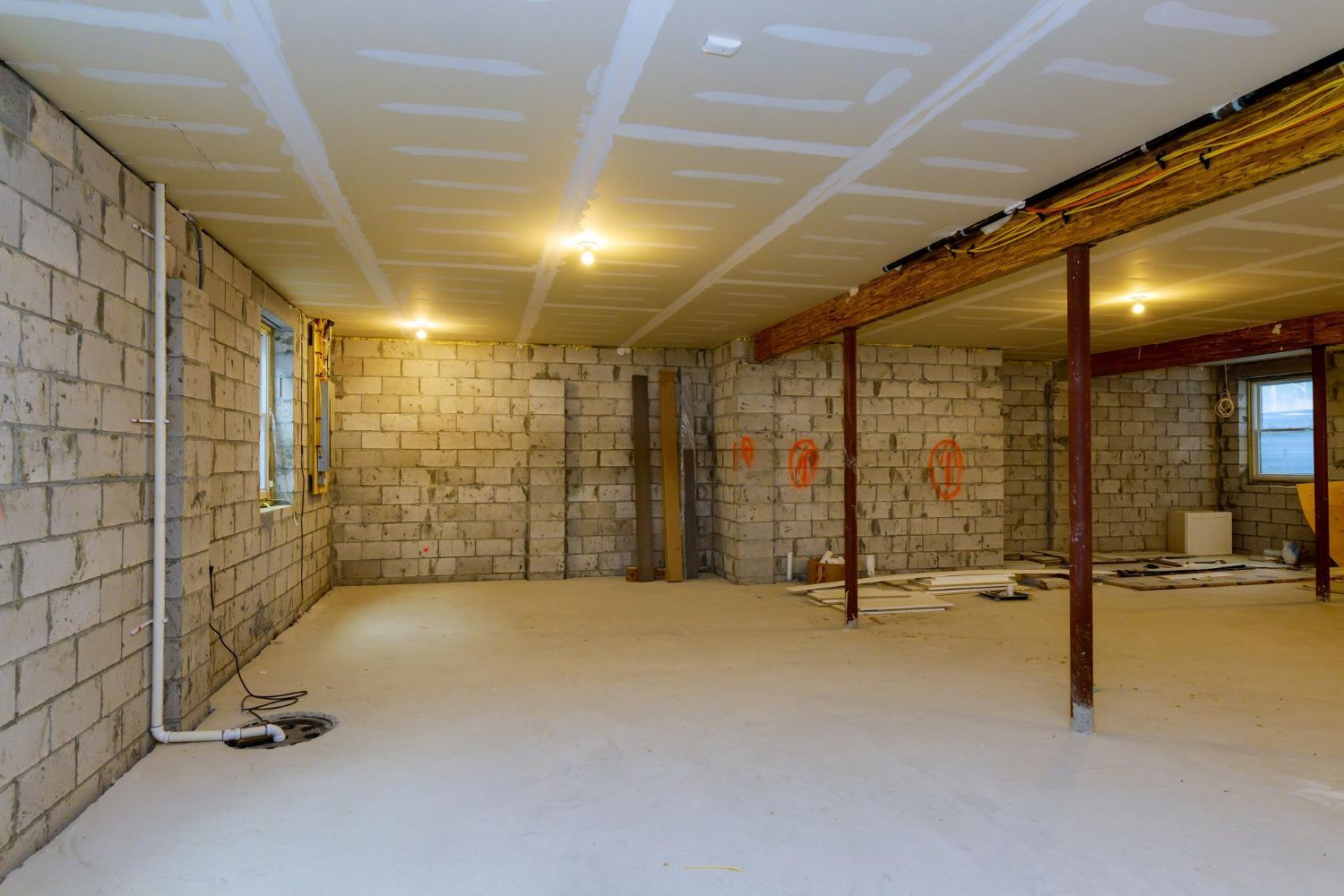
Basements are a special case. They sit against concrete and soil, which means more moisture and more temperature changes. A basement that looks perfect on the last day of construction can look very different after a damp summer and a dry winter.
A responsible basement remodel from White Oak Renovations starts long before the first piece of trim goes up. We focus on:
- Checking for damp spots or signs of past water
- Looking at air movement and where moisture might get trapped
- Making sure insulation and vapor details are handled the right way
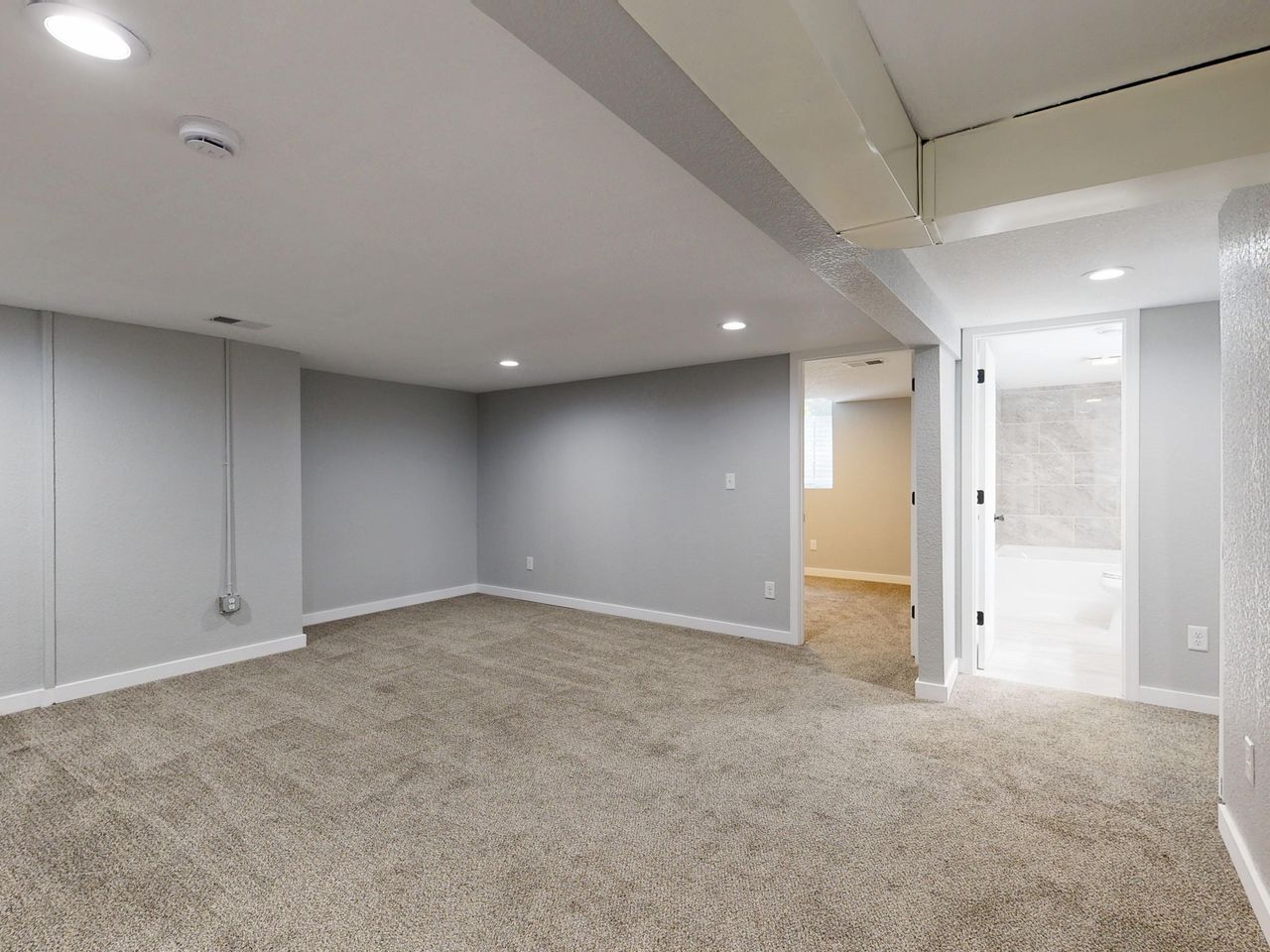
From there, our sequence matters. We frame carefully, address moisture control, and get drywall installed. Then we allow the space to be conditioned, letting the room settle before we bring in millwork. By the time we start custom millwork installation in a basement, the environment is closer to what it will be during daily life.
Some of the “slow” steps that make a big difference include:
- Shimming walls so baseboards and crown have straight, smooth lines
- Choosing materials that hold up better in lower-level spaces
- Allowing primers, paints, and caulk to cure fully before final coats
This slow-build approach helps avoid swollen doors that stick, wavy baseboards that telegraph uneven floors, and trim that separates from the wall when the weather shifts. The goal is a basement that feels like the rest of the home, dry, finished, and solid, not like an add-on that starts to show wear after the first season.
Honesty, Timelines, and Respecting Your Home
Many families start projects in late spring, hoping to have spaces ready for summer. The pressure to “get it done before everyone shows up” is real. The problem is that tight timelines can tempt builders to skip important pauses, like acclimation or extra coats of primer.
At White Oak Renovations, we would rather have a direct conversation about time than pretend we can do quality work faster than the materials will allow. That means:
- Setting realistic schedules that match the scope of the work
- Building in time for wood to acclimate and for finishes to cure
- Communicating when we need to slow down to solve a hidden issue
Respecting your home also means keeping it clean while we work, protecting existing floors and finishes, and avoiding rushed fixes that may look okay now but create larger problems down the road. A slightly longer schedule usually leads to fewer call-backs, less touch-up painting, and more years of trim and built-ins that feel like they have always belonged in the house.
Founded in 2022 by Michael Fogarty, White Oak Renovations carries his name and his standards. Our reputation is tied to what rooms look like not just in the first week, but many seasons from now. Cutting corners on timing would cut against everything we believe about work that is built to last, with no shortcuts.
Choosing Craftsmanship Over Speed for the Next Project
When planning a remodel or a basement finish, it helps to look beyond the start date and ask different questions. Instead of only asking, “How soon can you start?” it is worth asking, “How will you handle wood movement, moisture, and trim details?”
Good questions for any contractor include:
- What is your process for wood acclimation before installation?
- How do you choose materials for lower levels or basements?
- How do you handle wavy walls or out-of-square corners?
- What kind of follow-up do you offer if joints open up or movement shows?
The answers will say a lot about whether the work will be a fast job or a careful one. A schedule that includes thoughtful pauses, inspections, and drying time is usually a sign of craft, not delay.
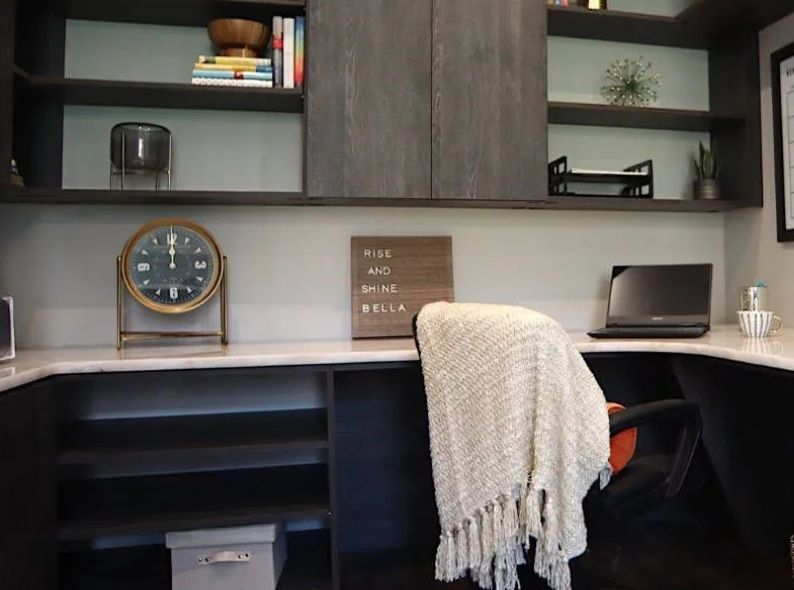
At White Oak Renovations, we see our team as partners with homeowners who care about honest work, no shortcuts, and rooms that age gracefully. Slow millwork is not about dragging our feet. It is about giving wood time to settle, giving each home the respect it deserves, and delivering trim and built-ins that will still look right, feel solid, and make homeowners proud many years from now.
Get Started With Your Project Today
If you are ready to add character, function, and long-lasting value to your home, our team at White Oak Renovations is here to help. Explore our
custom millwork installation services to see how we can tailor every detail to your space and style. We will walk you through design, materials, and scheduling so the process stays clear and efficient from start to finish. Have questions or want to talk through an idea first? Just
contact us and we will follow up with you promptly.