How Thoughtful Framing Keeps Your Basement Truly Dry
A finished basement should feel solid, dry, and welcoming, not damp and musty after a few years. Yet many homeowners find soft drywall at the bottom of walls, stained baseboards, or that stubborn basement smell that never really goes away. Often it all traces back to one thing: rushed framing against concrete that never had a chance to stay dry.
In a Connecticut climate with wet springs, humid summers, and plenty of freeze-thaw, basement framing is not just about straight lines and square corners. It is about building a reliable buffer between your living space and the concrete that is always trying to move moisture into your home. At White Oak Renovations we walk through what careful framing really means, why it takes time, and how a slow, detail-driven approach keeps your space dry and comfortable for the long haul.
Understanding How Connecticut Basements Really Behave
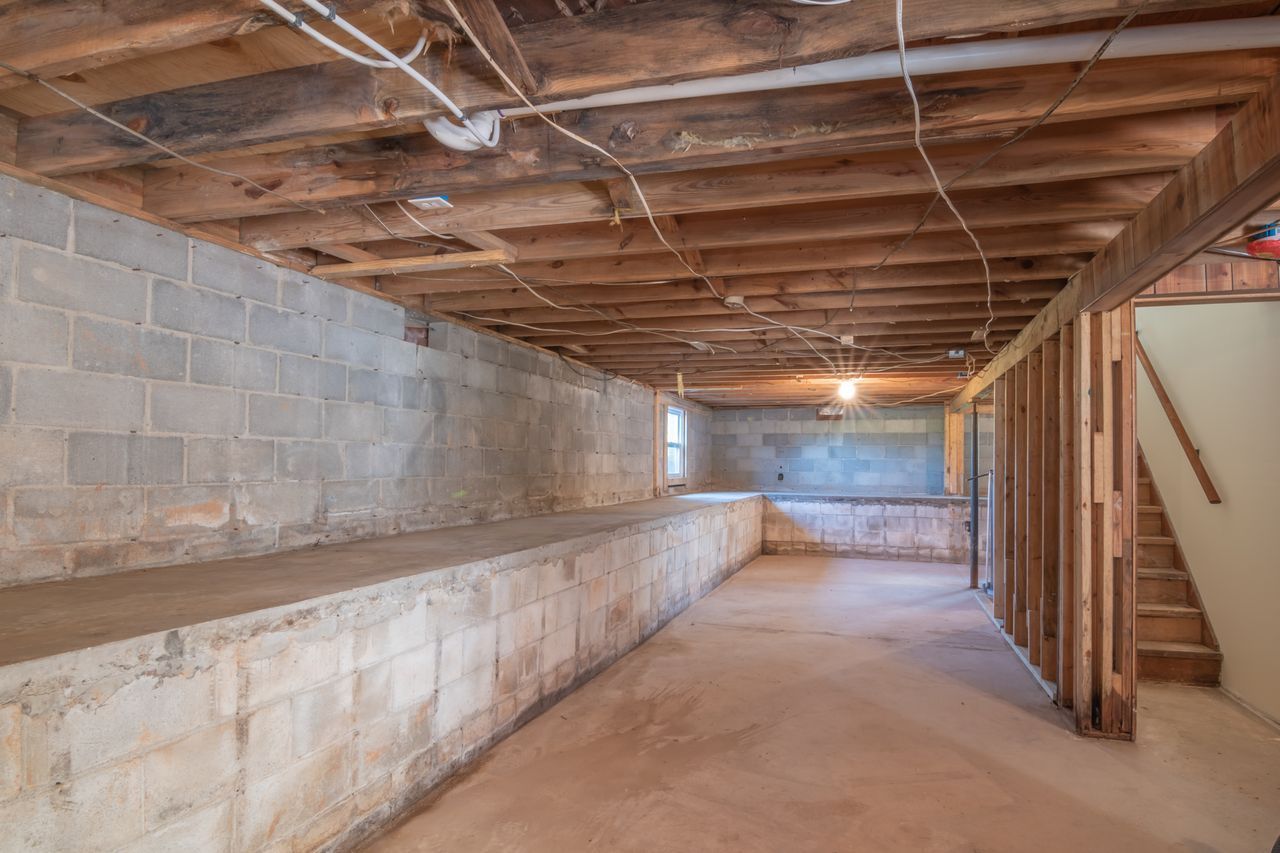
Basements in Connecticut work harder than many people think. Even if you never see standing water, your foundation is dealing with:
- Higher groundwater in spring
- Heavy rain that can push water against walls
- Dense soils that hold moisture right next to concrete
On top of that, many older homes do not have modern exterior waterproofing. So moisture can press through walls as vapor, not big leaks, just a constant low level of dampness that you may not notice right away.
It helps to understand the three different moisture issues we see:
- Liquid water leaks: obvious drips, puddles, or staining
- Water vapor: moisture moving through concrete, even when it looks dry
- Condensation: warm, humid air hitting cool concrete or metal and forming water drops
Even a basement that looks "dry enough" can hold hidden moisture inside the concrete, under old carpeting, or behind paneling. That slow dampness affects framing, insulation, indoor air quality, and how long your finishes truly last.
Because of this, any smart basement remodeling plan in Connecticut starts with respect for moisture. That often means:
- Spacing new walls away from concrete, not tight against it
- Planning for airflow behind and around walls
- Choosing materials that do not wick moisture up into drywall and trim
When we treat the basement like what it is, a space surrounded by cool, often damp concrete, we can frame in a way that protects your home instead of fighting it. Our goal is a basement that is built to last, not just to look good on day one.
Why Framing Choices Decide If Your Basement Stays Dry
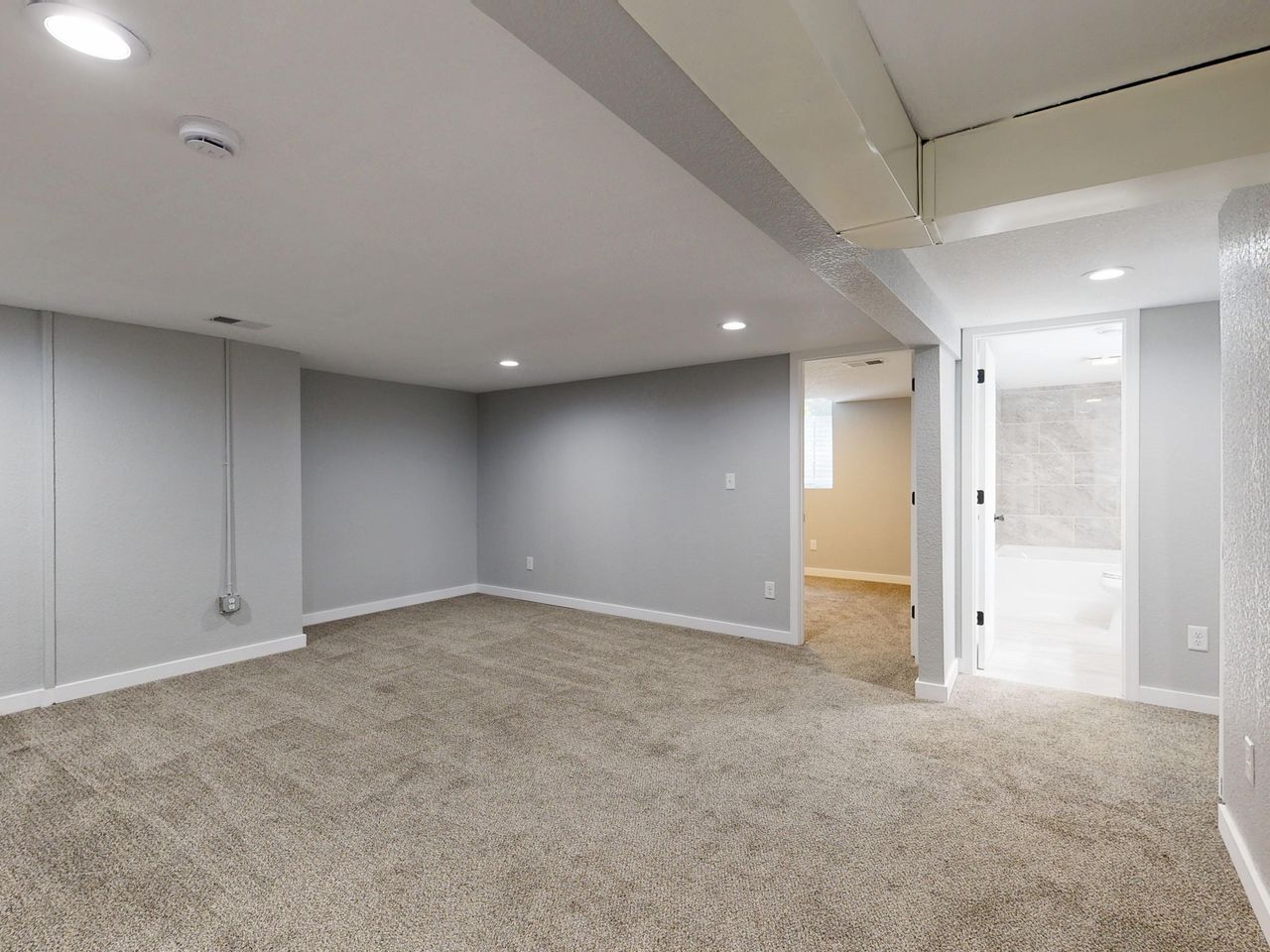
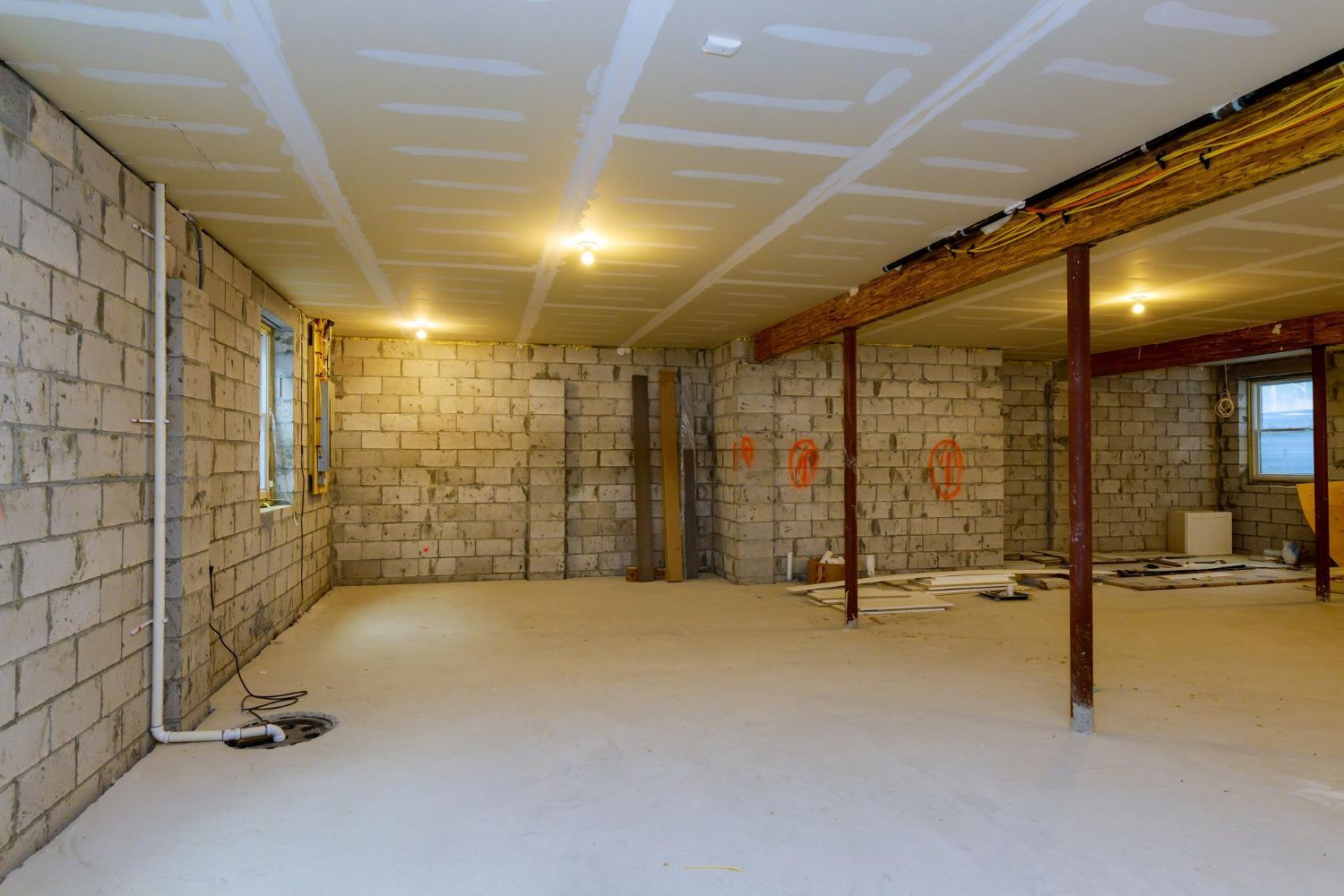
Framing is the backbone of basement remodeling. Done well, it keeps moisture where it belongs and supports every finish that comes later. Done fast and sloppy, it can trap damp air and set you up for problems in a few years.
One of the most important details is leaving a gap between the new wall and the concrete foundation. That small space:
- Keeps studs from touching damp concrete
- Gives room for insulation and vapor control
- Allows for future inspection if something changes
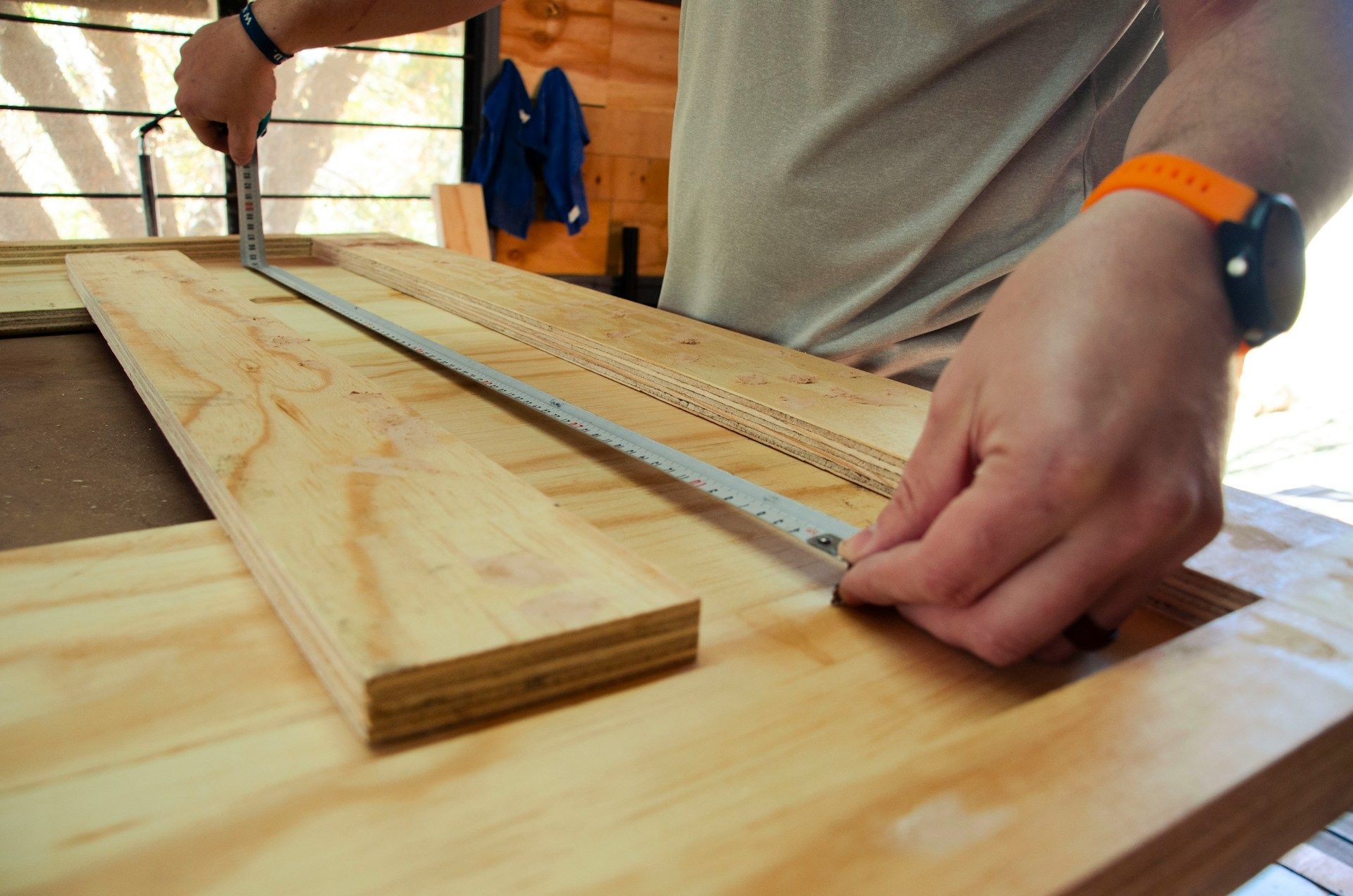
We at White Oak Renovations also put a lot of care into the bottom plate, the board that sits on the concrete slab. In moisture-prone areas, pressure-treated lumber is not optional. We use it where needed, then fasten it to the slab in a way that is secure but does not crush or twist the wood. If the slab is a little uneven, we address it instead of just forcing the wall to follow a wavy floor. No shortcuts.
Careful layout and fastening matter too. Straight, plumb walls and consistent stud spacing may sound like only a cosmetic issue, but they help keep:
- Tight drywall seams that are less likely to crack
- Trim lines that stay crisp along floors and ceilings
- Fewer gaps where humid air can sneak in and condense
Over ten or twenty years, that precision shows up as fewer nail pops, less movement, and a basement that still feels solid when you walk across it. This is the kind of framing that is built to last.
Insulation, Vapor Control, and the Slow-Build Approach
Insulation and vapor control are where moisture management and comfort meet. We like systems that put rigid foam directly against the concrete, with the framed wall built in front of that. The foam helps warm the wall surface and manage vapor, while the framing stays drier and more stable.
What we avoid is trapping moisture in a hidden pocket. If warm, humid air can slip behind the framing and hit cold concrete, it can leave water there with no way to dry out. Over time, that can quietly rot lumber while everything still looks fine on the surface.
This is one reason we do not rush from "all framed" to "all drywalled." Our slow build approach can include:
- Checking for damp spots after a heavy rain before closing walls
- Allowing framing and trim to acclimate to basement humidity
- Adjusting or adding shims to correct any movement before finishes go up
Our slow build mindset at White Oak Renovations means we would rather take an extra day to re-shim a bowed section or re-route a pipe than cover up something that could cause trouble later. We are always thinking about the next twenty years of your home every time we place a stud, screw, or shim.
Details That Protect Your Investment for Decades
The small details are rarely the ones you show off, but they are often the ones that decide how long a basement stays dry and solid. Some examples include:
- Sealing cracks or gaps at the slab before framing goes in
- Protecting cut ends of lumber that sit near concrete or masonry
- Drilling for plumbing and electrical in ways that do not weaken studs
We are also careful about how framing and other trades work together. Poor planning can lead to ducts, pipes, or wires cutting through key framing members, which weakens the structure and can create odd gaps where humid air collects.
To keep standards consistent, we build in checks for moisture-prone areas, such as corners, stair landings, and spots where exterior grade changes. Before drywall goes up, a focused walk-through helps make sure framing is solid, mechanicals are supported, and any possible water paths are understood. When homeowners know what is behind their walls, they can feel more confident that their finished basement is not hiding problems. That is part of how we show we are respecting your home.
Choosing a Basement Partner Who Respects Your Home
Spring is a natural time for Connecticut homeowners to look around and notice how the basement handled the winter. Any faint musty odor, hairline cracks, or slight staining can be a hint that something needs attention before a full basement remodeling project starts.
When you talk with any contractor about your basement, helpful questions to ask include:
- How do you keep wood framing separated from concrete?
- What type of bottom plates do you use on the slab?
- How do you handle insulation and vapor control together?
- What happens if you find existing moisture while you are framing?
We at White Oak Renovations combine precision carpentry with a simple idea: respect the home and do the work as if we were building it for our own families. Founded in 2022 by Michael Fogarty, our company was built on the belief that careful, honest, detail-driven framing is what makes a basement remodel truly last. No shortcuts, work built to last, and a steady focus on respecting your home.
When the framing is done right, the space feels better, looks better, and stays drier for many years to come.
Transform Your Unused Basement Into Functional Living Space
If you are ready to turn wasted square footage into a comfortable, valuable part of your home, our team at White Oak Renovations is here to help. Explore your options for
basement remodeling and get expert guidance on layout, finishes, and budget that fit your goals. We will walk you through each step so your project moves forward with clarity and confidence. To schedule a consultation or ask questions, simply
contact us today.