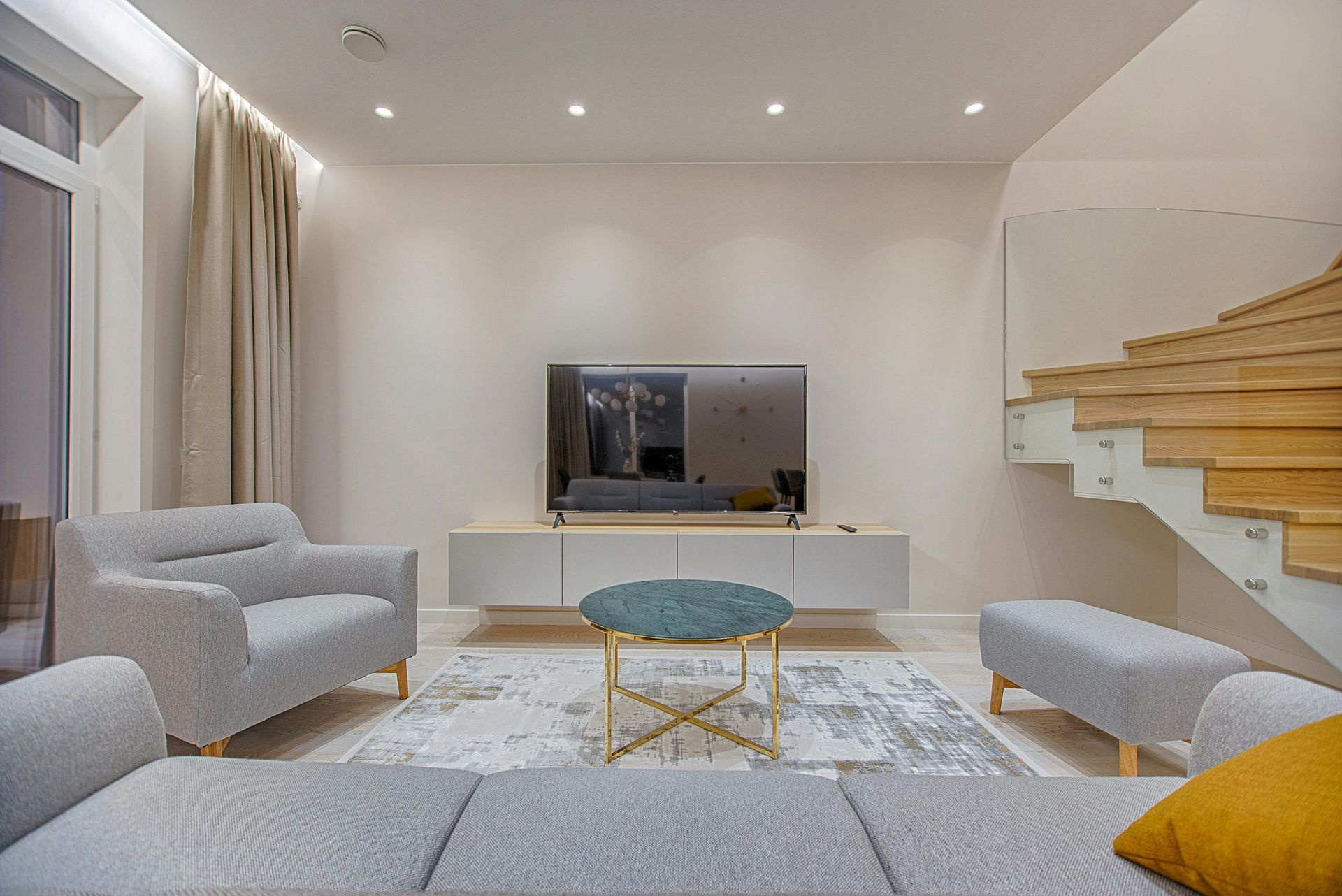
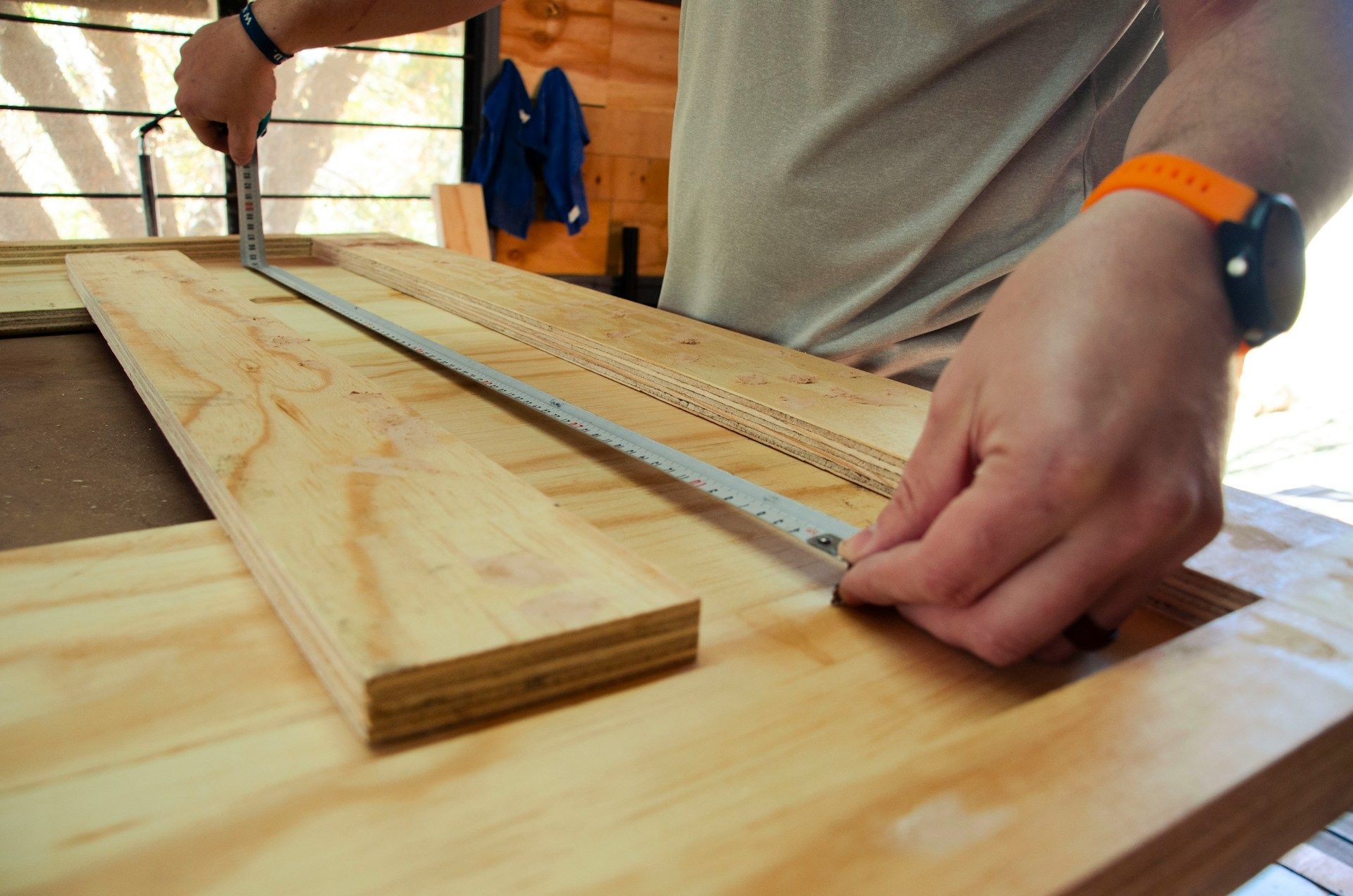
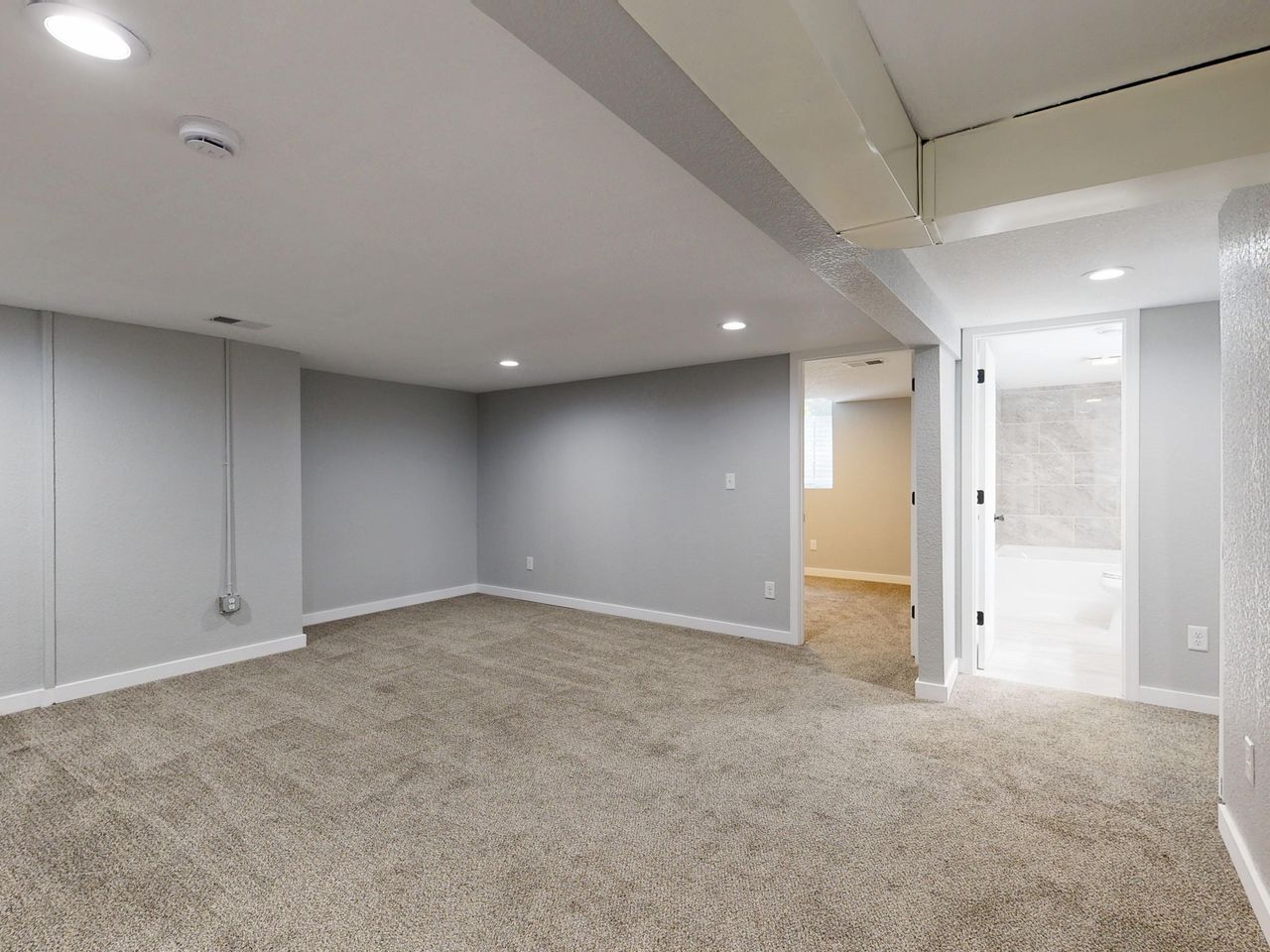
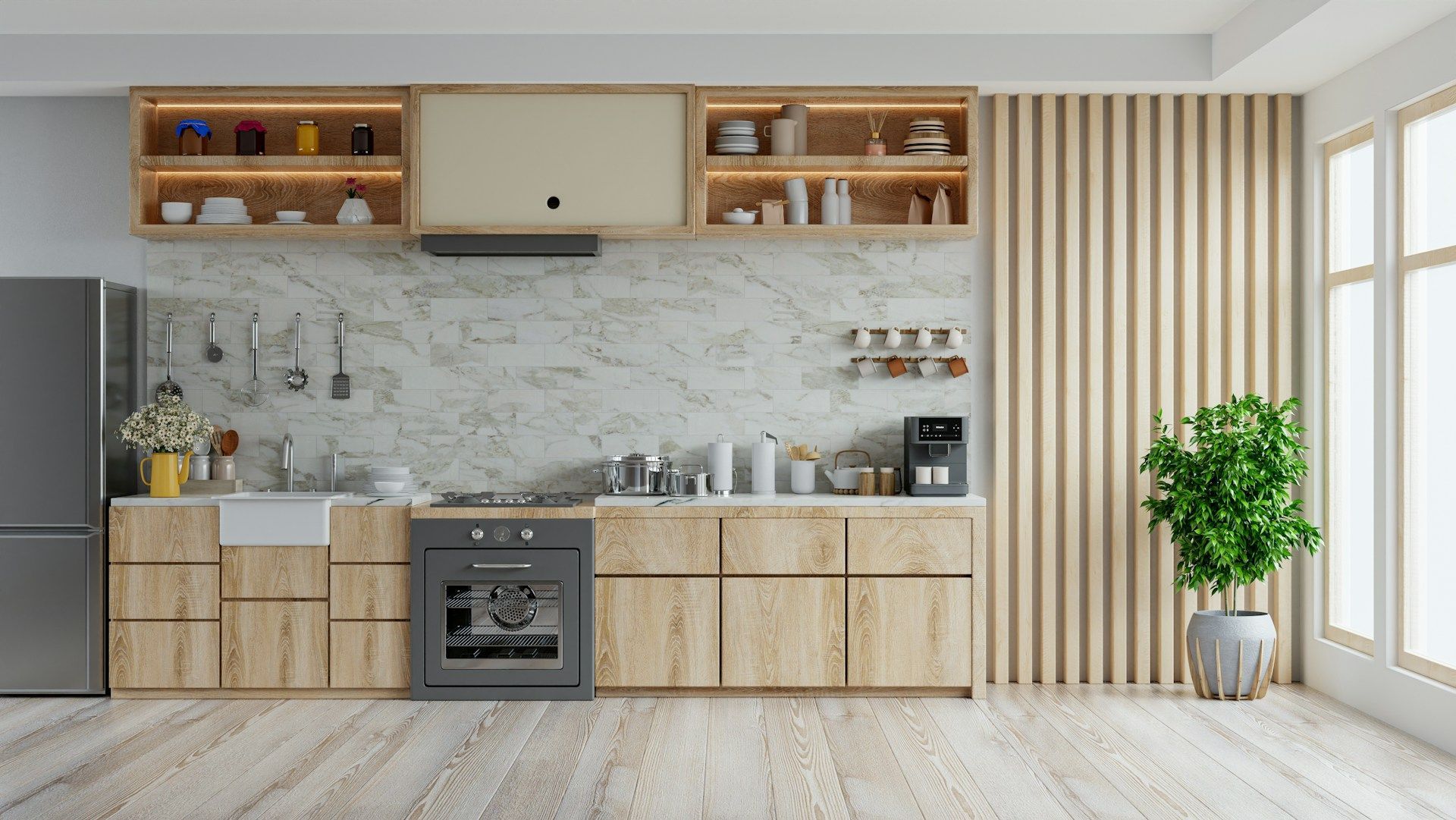
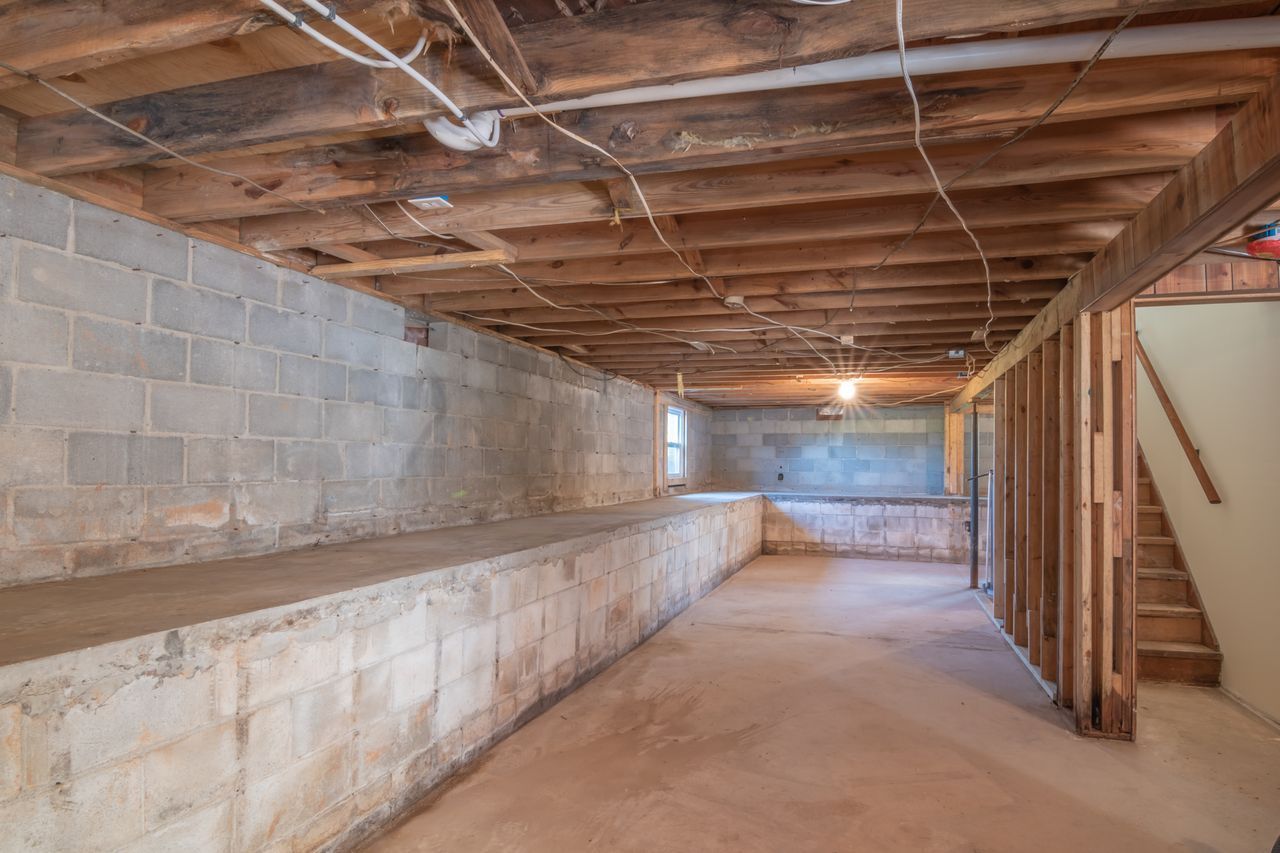
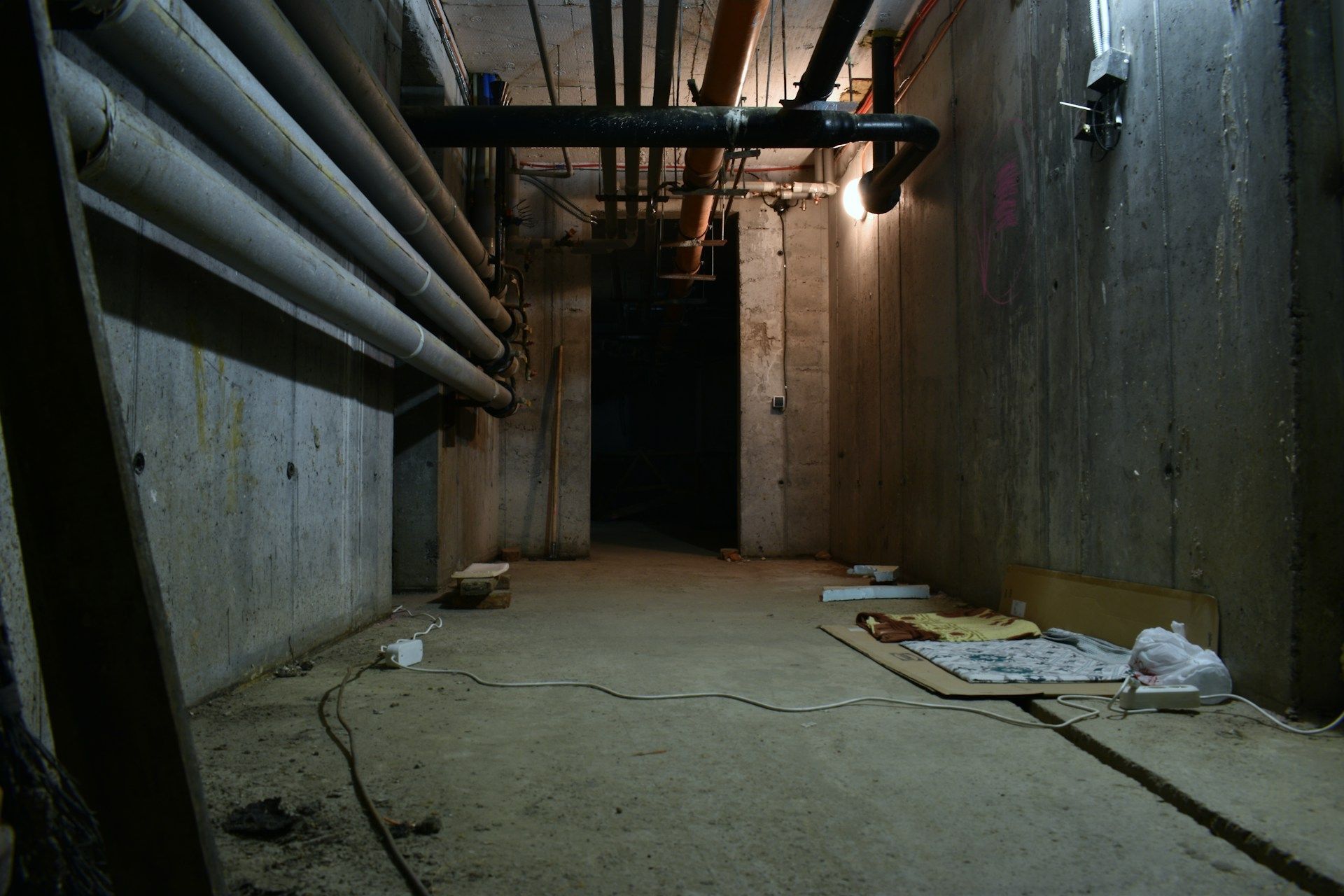
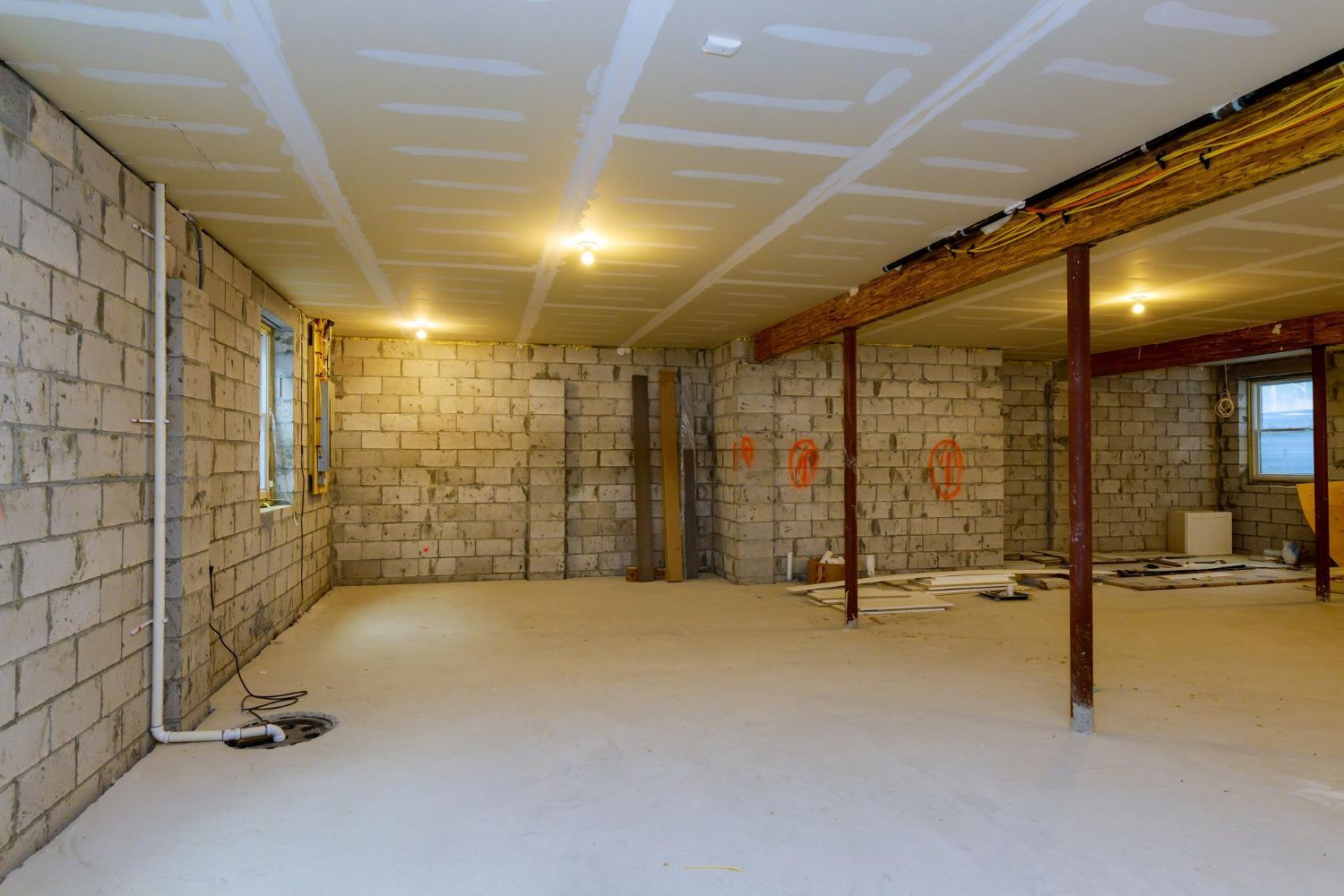
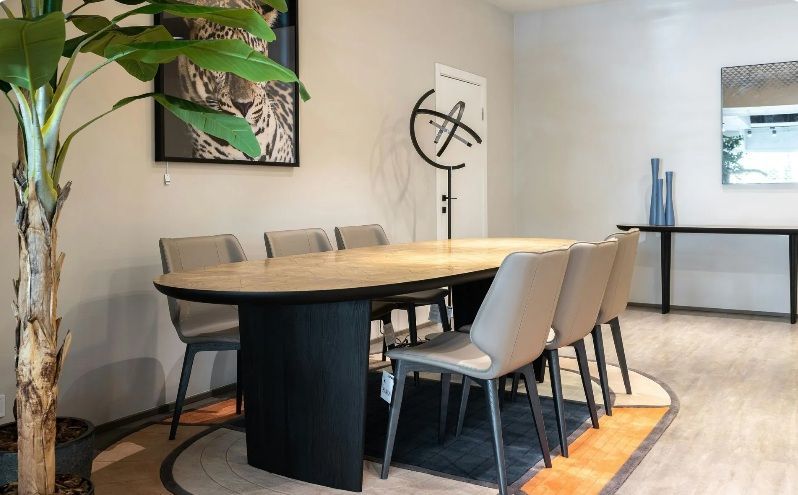
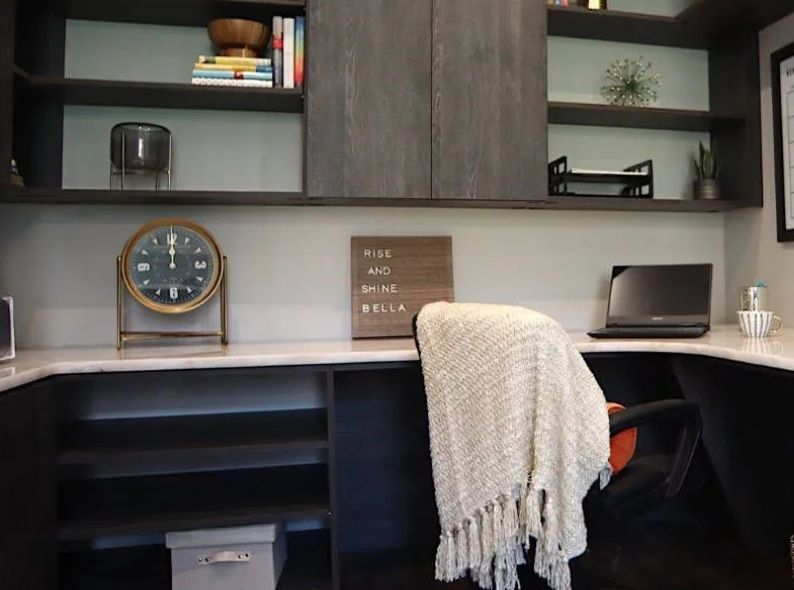
Basement remodeling gives Connecticut homeowners a powerful way to add comfortable, usable living space without changing the footprint of the house. That underused level under your feet can become a favorite place to relax, work, exercise, or host guests, while also supporting your home's value. The key is treating the basement as a true extension of your main floors, not just a finished storage area.
With the right plan, a basement can become a luxury family room, guest suite, home office, gym, or entertainment space that fits how your family actually lives. A professional remodel also addresses the common challenges we see across Connecticut, such as moisture, low ceilings, and older foundations. What starts as a dark, chilly storage zone can turn into a bright, welcoming level that feels just as polished as the rest of your home.
In this guide, we will walk through the major steps of basement remodeling, from planning and layout to finishes, budgeting, and choosing the right remodeler. Our perspective comes from working in homes across Tolland County, Hartford County, and the CT River region, where we see the same patterns and questions come up again and again.
Why Basement Remodeling Matters in Connecticut
In New England, we spend a lot of time indoors, especially in the colder months. Having extra finished space inside the existing footprint of your home can make daily life more comfortable without the cost and disruption of a full addition. A finished basement can give kids room to spread out, create a quiet workspace, or provide a private area for guests.
Thoughtful basement remodeling also helps your home stand out if you decide to sell. Buyers in many Connecticut markets pay attention to livable square footage and appreciate move in ready bonus space that does not feel like an afterthought. A warm, dry, attractive basement can tip the balance when homes are otherwise similar.
Connecticut basements often come with quirks, including:
• Older foundations and stone walls
• Seasonal dampness or minor seepage
• Bulkhead entries and sloped yards
• Mechanical systems and utilities placed in the middle of the space
With experienced planning and proper waterproofing, these quirks become design opportunities. For example, a bulkhead entry can become a mudroom style landing, and existing support posts can be integrated into half walls or built ins.
Solving Common Connecticut Basement Challenges
Moisture is one of the first issues we look at in any local basement. Freeze and thaw cycles, clay soils, and higher water tables can all contribute to leaks, damp spots, or humidity. Before you think about drywall or flooring, it is important to make sure water is managed correctly.
Good moisture control often includes:
• Checking exterior grading and gutters
• Considering interior or exterior drainage where needed
• Adding or updating a sump pump system when appropriate
• Using vapor barriers and the right insulation strategy
• Planning for ongoing dehumidification
These steps protect your finishes, furniture, and indoor air quality, which is especially important in a level with fewer windows and less natural airflow.
Low ceilings and tricky layouts are another common concern. Many Connecticut basements have ductwork, beams, and plumbing that seem to cut the room in half. Careful planning can make these elements fade into the background with:
• Thoughtful soffit placement that runs along walls instead of across rooms
• Recessed lighting to keep ceilings feeling as high as possible
• Coordinated HVAC and electrical runs to avoid random bumps and drops
Building code requirements for ceiling height still apply in basements, along with rules for stairs, railing, and electrical safety. If you plan any sleeping areas, you will need proper egress windows or doors that meet Connecticut code for emergency escape and rescue. Working with a contractor familiar with permitting in towns across Tolland County, Hartford County, and along the CT River helps keep your project compliant and on track.
Planning Your Ideal Basement Layout and Features
A successful basement remodel starts with deciding how you want to use the space. Before you think about paint colors, clarify your priorities. Common uses include:
• Family or media room
• Guest or in law suite
• Home office or study space
• Gym or yoga room
• Kids' playroom or teen hangout
• Hobby room, workshop, or craft area
• Bar or game room
If you want more than one of these, think in terms of zones. Quiet zones, like offices or guest rooms, often work best away from mechanical equipment. Louder spaces, like media rooms or playrooms, might be placed where ceilings are a bit lower or where natural light is less of a concern.
Smart layout planning will save you money and improve daily comfort. A few guiding ideas:
• Place bathrooms and wet bars near existing plumbing lines when possible
• Reserve lower ceiling areas for storage, built ins, or hallways
• Keep clear, simple traffic paths so the basement feels open, not chopped up
• Consider where doors swing and how furniture will fit
Lighting and comfort details are just as important as walls and doors. Basements typically need layered lighting to feel inviting. Recessed ceiling lights provide overall brightness, while wall sconces, floor lamps, or under cabinet lighting highlight specific areas.
Sound and temperature need attention too. We often recommend:
• Insulation in the ceiling to reduce noise between floors
• Thoughtful placement of TVs and speakers to avoid echo
• HVAC adjustments or separate zones so the basement is warm in winter and comfortable in summer
When planned carefully, the lower level will feel like a natural continuation of your main living spaces.
Bringing Luxury to Your Basement with Custom Finishes
Finishes are what make a basement feel like a true luxury space instead of an afterthought. Flooring is a big decision in Connecticut because of potential moisture. Many homeowners choose:
• Luxury vinyl plank that handles humidity and looks like hardwood
• Engineered wood in appropriate areas
• Tile for bathrooms, bar zones, or entry areas
• Carpet tiles for warmth and easy replacement if needed
On walls and ceilings, smooth drywall with a quality paint job, upgraded trim, and, where possible, a finished ceiling can transform the feel of the room. In some cases, a stylish ceiling system that allows access to utilities still works well, especially in mechanical or storage areas.
Custom carpentry is where a basement can really stand out. Built in pieces help define zones and provide storage, such as:
• Media centers or TV walls with integrated shelving
• Home office cabinetry and workstations
• Window seats with hidden storage
• Mudroom style storage near an exterior or garage entry
• Custom bar areas with seating and display shelves
Basements are full of odd corners and nooks under stairs. Tailored built ins make those spaces useful and attractive instead of wasted or cluttered. Quality cabinetry in bar or snack areas, along with thoughtful millwork like wainscoting, crown molding, and upgraded doors, gives the basement the same finished feel as your main floor rooms.
When you coordinate colors, flooring, and trim with the rest of your home, the basement feels like a cohesive part of the house rather than a separate zone.
Budgeting, Timelines, and Choosing the Right Remodeler
Basement remodeling has a wide range of possible budgets, depending on the scope and level of finish. Your investment typically covers:
• Moisture and water management
• Framing and insulation
• Electrical and lighting
• Plumbing for bathrooms or bars
• Drywall, doors, and trim
• Flooring and paint
• Custom carpentry and built ins
It helps to separate must haves from nice to haves, then add a contingency for surprises, especially in older Connecticut homes where hidden issues can appear once walls are opened.
The general process usually follows a clear sequence:
• Initial consultation and discussion of goals
• Design, layout, and selections
• Permitting with your local town
• Framing, rough plumbing, and electrical
• Inspections at required stages
• Insulation, drywall, and trim
• Painting, flooring, and final details
During construction, you can expect some noise and dust, but a professional team will plan for dust control, safe access, and regular communication about schedules.
When choosing a remodeler, consider:
• Proper licenses and insurance
• Experience with basement projects, not just general work
• References from local homeowners
• Clear, detailed proposals and contracts
• A communication style that feels comfortable to you
Working with a company that focuses on luxury basement remodeling, custom carpentry, and cabinet and millwork installation, and that regularly works in Tolland County, Hartford County, and the CT River region, helps ensure your project fits local homes and expectations.
Take the First Step Toward Your New Basement
A helpful starting point is simply to walk through your basement and look at it with fresh eyes. Think about how better lighting, new finishes, and a more thoughtful layout could support your daily routines, hobbies, and family time. Make note of areas that feel damp or cramped so those concerns can be addressed in the planning stage.
From there, many homeowners find it useful to create a simple wish list and gather a few inspiration photos that reflect the style they like. Sharing those ideas with a professional remodeler allows you to explore what is realistic within your budget and existing structure, and how to turn unused square footage into one of the most comfortable and frequently used parts of your Connecticut home.
Transform Your Basement Into Functional Living Space Today
If you are ready to turn your underused basement into a space that truly fits your lifestyle, we are here to help. At White Oak Renovations, we take the time to understand how you want to live, work, and relax so your project feels tailored to you. Explore our
basement remodeling services to see what is possible, then reach out so we can discuss your goals. Contact our team directly through
contact us to schedule a consultation and get started.