Basement Baths That Belong, Not Just “Fit”
A basement bathroom should feel like it has always been part of your home, not something squeezed into the leftover space. When it is planned well, it blends with the rest of the house, works smoothly, and stands up to years of daily use.
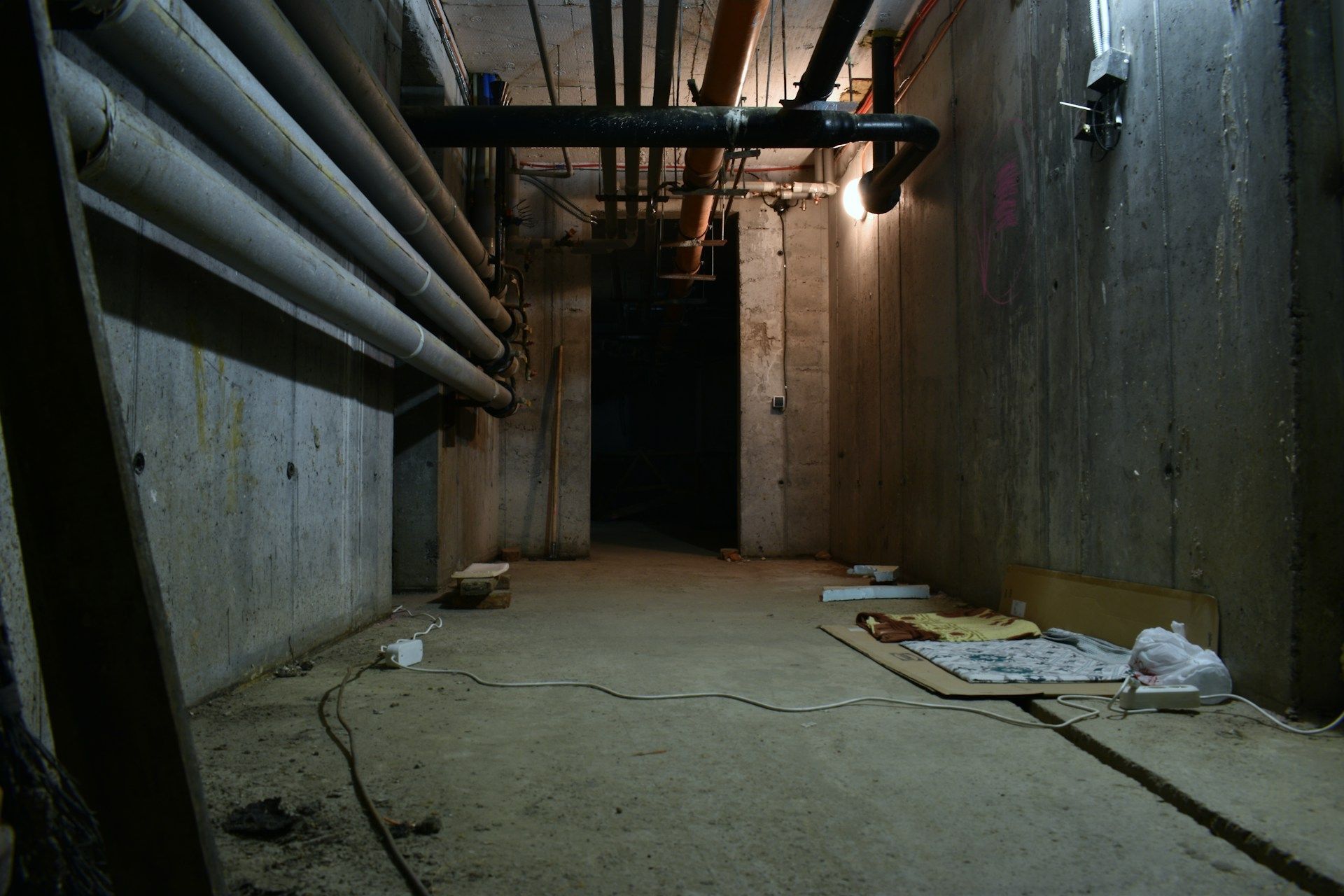
Basements are different from upstairs rooms. You have lower ceilings, concrete slabs, ductwork, plumbing lines, and less natural light to work with. All of that affects where a bathroom can go and how comfortable it will feel. At White Oak Renovations, founded in 2022 by craftsman Michael Fogarty, we focus on careful bathroom remodeling planning long before any walls are opened. That is how we avoid odd corners, tight headroom, and future problems.
Planning during the warmer months often makes construction smoother. Access is easier when doors and windows can stay open, materials handle humidity swings better, and we can get ahead of fall and winter schedules. Good timing keeps the work more predictable and less stressful for your family.
Start with Structure, Drain Lines, and Headroom
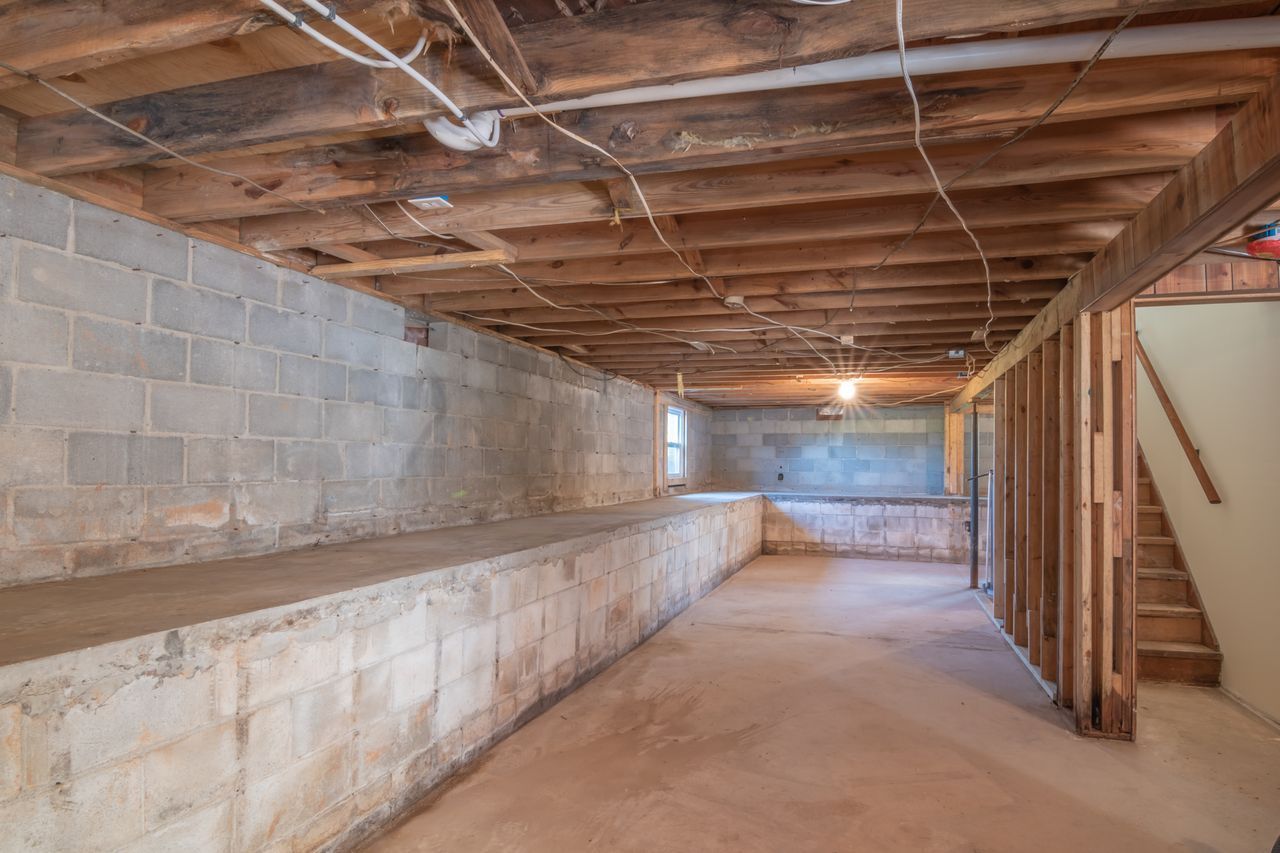
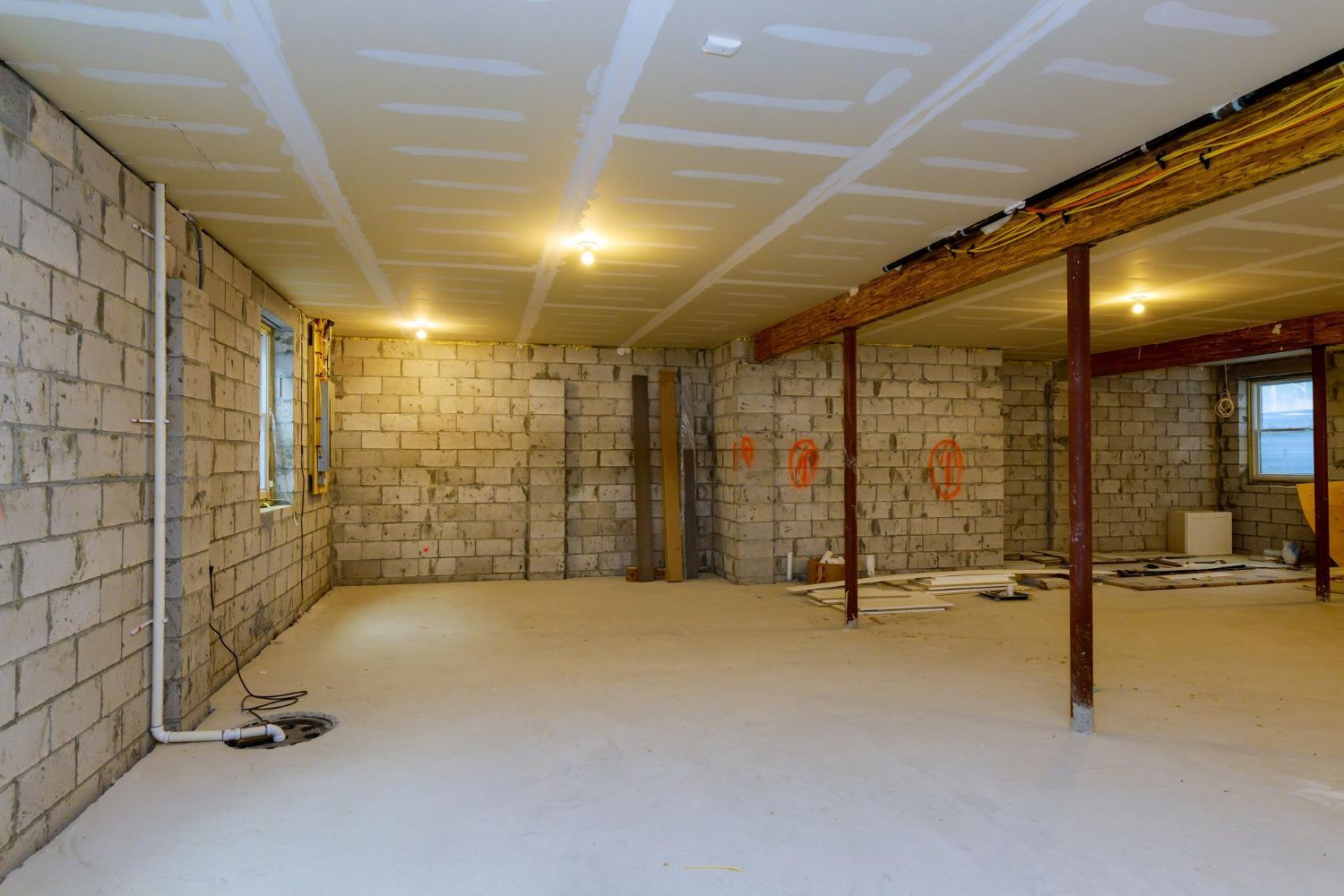
A great basement bathroom starts with respect for the bones of the house. Beams, support columns, and low ducts all shape what is realistic.
When we walk a basement with a homeowner, we point out:
- Structural beams that cannot be moved
- Low ductwork that affects shower and toilet locations
- Existing plumbing lines that may help or limit fixture placement
This helps everyone see where walls, doors, and fixtures can go without awkward bump-outs or spaces that feel like an afterthought.
Plumbing in a basement means planning in concrete. We look for the main drain, then plan where we need slope for waste lines before deciding where to break the slab. Sometimes cutting long trenches makes sense, especially for a full bathroom. In other cases, an up-flush or macerating toilet is a smarter choice, so we do not need to open up large areas of concrete.
Headroom is a big comfort factor. We focus on:
- Clear height over toilets so you can stand up without hitting your head
- Enough ceiling height in showers so they feel open and comfortable
- Routes for ducts and pipes that keep the main walking paths as high as possible
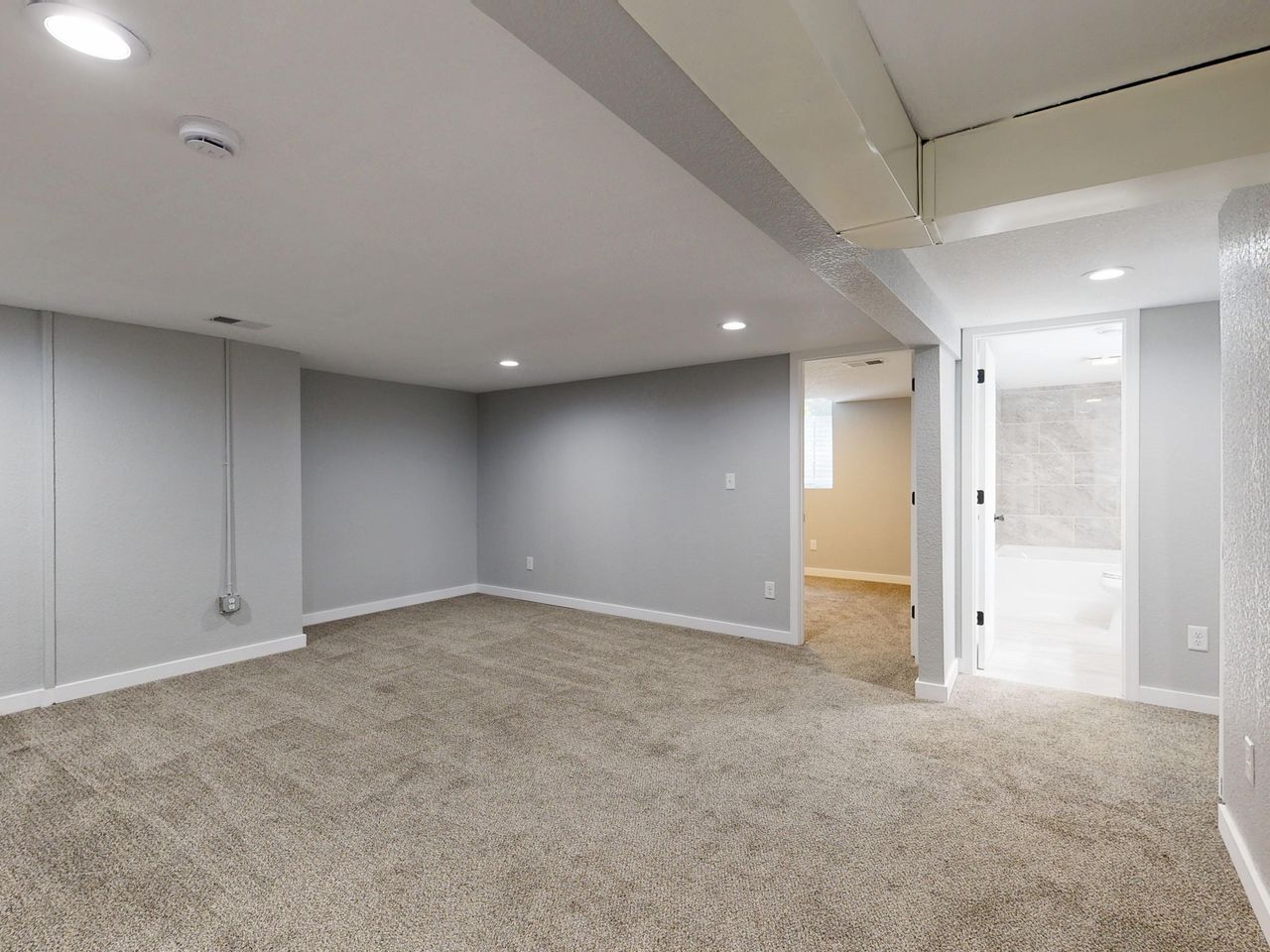
Instead of letting pipes and ducts run randomly, we often frame soffits in clean, straight lines. When soffits are balanced and planned, they read as part of the design, not like something we had to hide at the last minute.
Moisture, Ventilation, and Materials Built to Last
Basements deal with moisture from the ground and from the air. Before we talk tile or paint colors, we look for signs of water problems like damp spots, peeling finishes, or white powder on the walls.
If we see concerns, we may suggest solving those first with things like:
- Perimeter drains or a sump pump to handle water at the slab
- Better exterior grading to move rainwater away from the foundation
- Interior drainage channels or coatings where needed
Once the space is dry and stable, we plan ventilation that actually works. Basement bathrooms hold moisture longer, so the exhaust fan needs to be sized correctly for the room. The fan duct must run outside, not into a joist space or attic, and the run should be as direct and smooth as possible. Long, sagging duct lines can trap condensation and reduce performance.
For finishes, we choose materials that are made for basement conditions:
- Porcelain tile on concrete slabs, since it handles moisture and movement well
- Cement backer board in wet zones instead of paper-faced drywall
- Moisture-resistant trim and profiles that do not swell easily
Details matter here too. Sealed grout, careful caulk at corners and transitions, the right primers, and quality paints all add years to the life of the bathroom. This is where “built to last” really shows up.
Lighting, Layout, and Making It Feel Above Grade
The fastest way to spot a basement bathroom is poor lighting. To fight that, we layer light instead of relying on a single ceiling fixture.
We often recommend:
- Recessed lights for even general light with no dark corners
- Wall sconces or mirror lights at eye level for faces and grooming
- LED fixtures in a color temperature that feels close to daylight, not too blue and not too yellow
Layout is just as important. Before we place a single fixture, we ask how the bathroom will actually be used. If it serves a guest bedroom, we might plan more storage for suitcases and toiletries. If it is off a TV room or kids’ hangout, we plan for quick showers and easy-to-clean surfaces. For a home gym, a larger shower and bench may make more sense.
Basement bathrooms often become quiet escape spaces, so we like to:
- Make showers slightly larger when we can
- Add benches or ledges for comfort and safety
- Include extra towel storage so everything is within reach
To make the room feel taller and lighter, we use visual tricks like vertical tile layouts and continuous flooring that runs through the whole space. Lighter wall colors help bounce light around and keep the room feeling open.
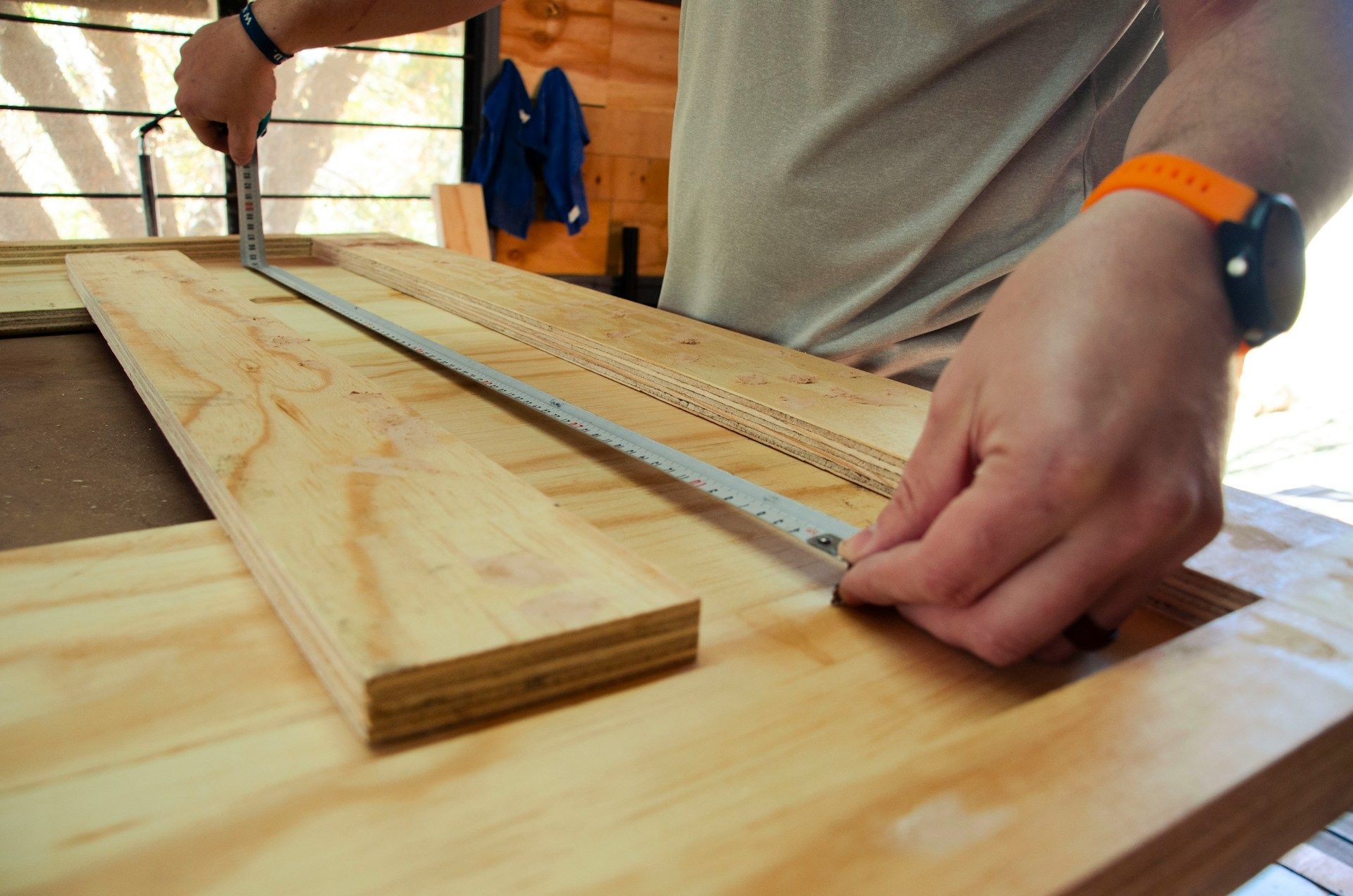
Custom millwork plays a big role too. Our team can build slim medicine cabinets, open shelves, and built-ins that tuck between studs or along shorter walls. This adds storage without crowding the room and keeps the lines clean and calm.
Honest Budgeting, Permits, and Future-Proof Planning
Basement bathroom remodeling is often more involved than an upstairs bath because of concrete, plumbing runs, and moisture control. We believe in honest conversations about scope and priorities from the start so there are fewer surprises later.
We like to break a project mentally into:
- Structure and framing
- Plumbing, electrical, and ventilation
- Wall, floor, and ceiling finishes
- Custom details like millwork and built-ins
Talking through each part helps you see where your money goes and where adjustments are possible.
Permits and inspections are another key piece. In Connecticut, proper permits for plumbing, electrical, and any structural work are important for safety and for future resale. Working with inspectors early helps keep everything on track and reduces the chance of opening up finished work later.
Future-proof planning can save a lot of trouble. Even if you want only a half bath now, it can make sense to rough in for a future shower so you do not have to open floors again. We also lean toward classic tile patterns, simple lines, and trim profiles that will still look right years from now. That way the bathroom continues to match the rest of your home as tastes shift.
Turning Your Basement Bath Vision Into a Solid Plan
A good first step is to walk your basement with a fresh eye. Notice where headroom is low, where existing plumbing lines run, and how a bathroom could connect to the rest of the finished space. Think about who will use it most and what they actually need.
At White Oak Renovations, we approach basement bathroom remodeling with careful site checks, precise layout planning, and hands-on craftsmanship led by founder Michael Fogarty. The goal is always the same: a bathroom that feels like it belongs to your home, works the way your family lives, and is built to last.
Get Started With Your Project Today
If you are ready to bring new comfort, storage, and style to your home, our team at White Oak Renovations is here to help. Explore our
bathroom remodeling services to see how we can transform your space with thoughtful design and quality craftsmanship. Tell us about your goals and budget, and we will create a clear plan and timeline that fits your needs. Have questions or want to schedule a consultation now? Just
contact us and we will follow up promptly.