Start Your Basement Remodel the Right Way
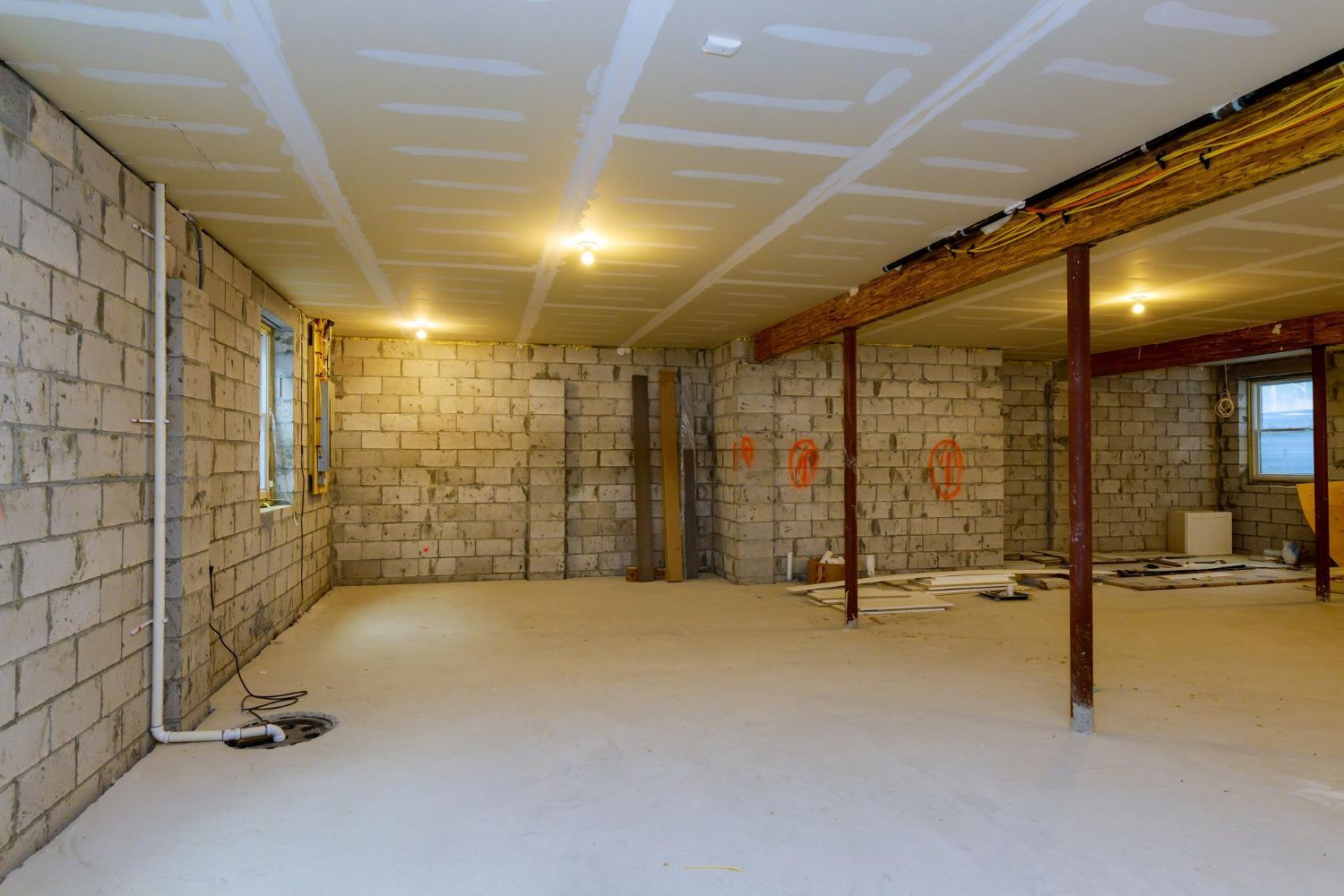
A basement remodel can add real living space to your Connecticut home, but only if the space is dry, healthy, and safe. Before you think about layouts, built-ins, or a home theater, it pays to slow down and do a real discovery phase. That means checking for moisture, testing for radon, understanding ceiling height rules, and looking for older materials like asbestos and lead.
Connecticut basements are their own world. Many homes are older, summers are humid, winters are cold, and the ground goes through constant freeze and thaw. That mix can lead to water issues, musty odors, and hidden risks inside walls and floors. Starting smart protects your budget, your health, and your timeline.
At White Oak Renovations, we care a lot about what is behind the walls, not just how it looks in photos. We are a Connecticut based remodeling company that focuses on luxury basement remodeling, precision woodworking, and custom carpentry. Founded in 2022 by Michael Fogarty, our company was built on craftsmanship and honesty, not quick fixes. Our goal is simple: work that is built to last, no shortcuts, and a process that respects your home from the first visit to the final sweepup.
Moisture and Water Intrusion Checks Before You Design
In a basement, moisture is always the first thing to check. If water is getting in, or water vapor is pushing through the concrete, any beautiful finish work will be at risk. Moisture can lead to mold, warped flooring, soft drywall, rusted fasteners, and that constant musty smell that never seems to go away.
Some early signs many homeowners can spot on their own include:
- Musty or earthy odors, even when the space looks clean
- White powder on concrete walls or floors, called efflorescence
- Peeling paint or bubbling on painted block or concrete
- Rust on metal posts, bottom of steel doors, or mechanical equipment
- Puddling or damp spots on the floor after heavy rain or snow melt
There are a few simple checks you can do before calling in a pro. One common trick is taping a clear plastic sheet flat to the slab or wall and leaving it in place for a day or two. If moisture condenses on the underside, you likely have vapor coming through the concrete. Outside, you can look for gutters that overflow, downspouts that dump water right at the foundation, or soil that slopes toward the house instead of away from it.
Professional testing and drainage work come in when:
- You see standing water after storms
- You notice mold growth or dark staining on walls
- There are visible cracks that leak
- The existing sump pump runs often or not at all when it should
Fixing moisture problems before framing saves money and stress later. It lets us choose the right subfloor systems, wall assemblies, and insulation that can handle your specific conditions. That way, your new basement floors stay flat, your trim joints stay tight, and the space truly feels like part of the main house, not an afterthought.
Radon Testing for Health and Code Peace of Mind
Radon is a naturally occurring gas that can enter your home through the basement floor and walls. Many areas of Connecticut have conditions in the soil and rock that make radon more likely, especially if your home is built over ledge or is part of an older neighborhood.
Before serious basement remodeling, it makes sense to test for radon so you know what you are working with. There are two basic types of tests:
- Short-term tests that run for a few days
- Longer-term tests that run for several weeks
Timing matters. Radon levels can shift as seasons change and as you open and close windows. Testing before you finish walls and ceilings gives the clearest path if mitigation is needed, because the system often involves piping from the slab to the exterior and a fan that runs continuously.
Common radon reduction systems usually draw air from below the slab or from a drain tile system and vent it outside. Planning that early lets us:
- Reserve space for vertical piping in a wall or closet
- Coordinate electrical needs for the fan
- Avoid cutting through new finishes later
At White Oak Renovations, we prefer to address radon before framing or finishes go in. Hiding a problem behind clean drywall does not fit with our approach. We want you to know what was done, why it was done, and how it keeps your family safer over time.
Low Ceilings, Code Triggers, and Smart Layout Choices
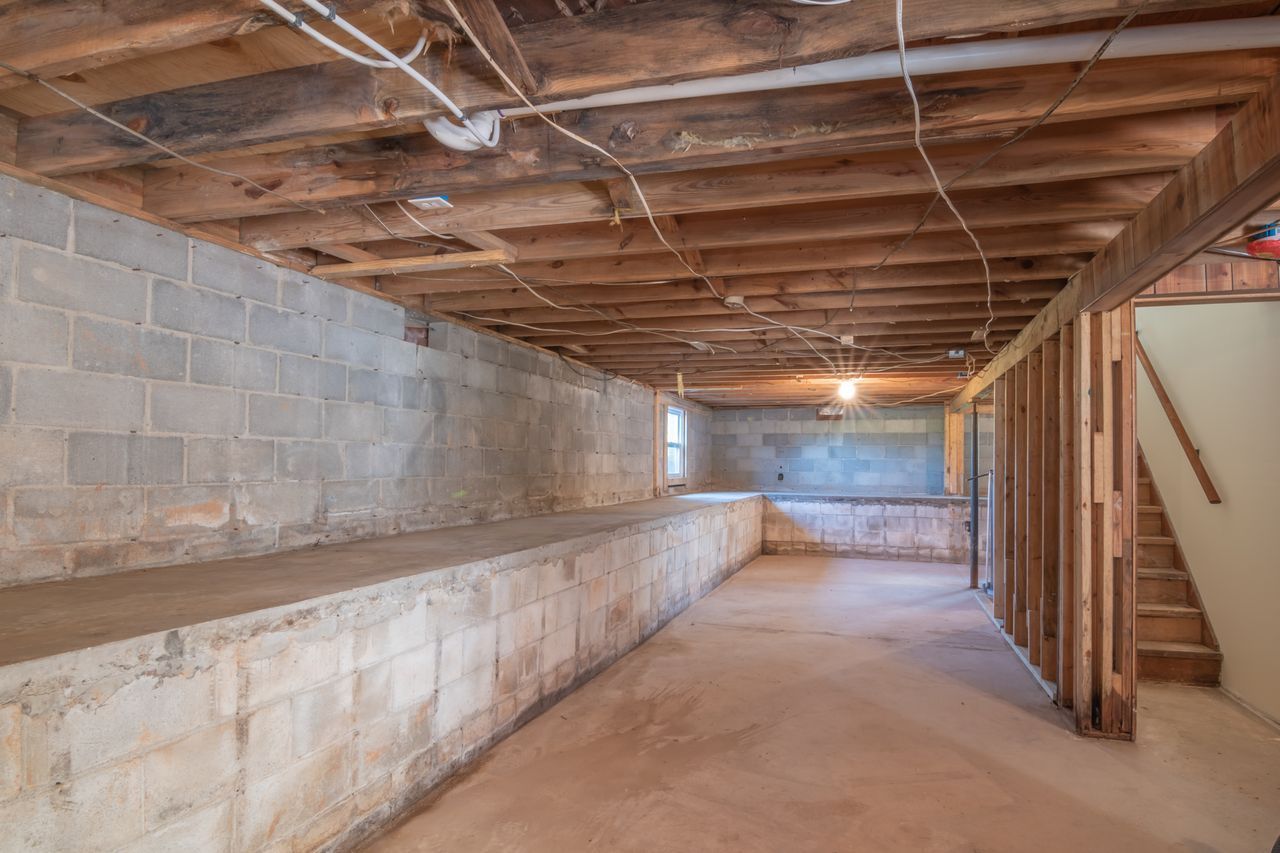
Many Connecticut basements, especially in older homes, were never meant to be living space. Ceiling heights are low, beams hang down, ducts and plumbing run right where you wish they did not. The moment you plan to finish the basement as true living space, local building codes come into play.
Key clearance points to think about include:
- Target finished ceiling height once flooring, subfloor, and drywall are in place
- Lowest points of beams, pipes, and ductwork
- Stair headroom, tread depth, and handrail needs
- Window size and egress requirements in sleeping areas
These rules influence whether the area can legally be called living space and how comfortable it will feel. This is why we measure early and often. A half inch of subfloor thickness or a choice between recessed and surface lighting can make a real difference in a tight space.
Good planning lets us:
- Group ducts and pipes into clean, straight soffits instead of random boxes
- Rework a stair to feel safer and more inviting
- Place taller built-ins where the ceiling is higher and lower storage where it drops
Our focus on precision carpentry shows up here. Careful framing around beams, thoughtful bulkhead design, and well-planned transitions all help a low-ceiling basement feel intentional. We want your basement to feel like a natural extension of the home, not just a patched-up utility area.
Asbestos, Lead Paint, and Other Hidden Legacy Materials
Many Connecticut homes have materials left from earlier building eras. Some of these can include asbestos and lead, which require care and proper handling, especially before demolition or remodeling.
Common spots where these materials may be found include:
- Old 9-inch floor tiles and the mastic underneath
- Pipe insulation on heating lines, especially white or cloth-wrapped sections
- Wrap on older ductwork
- lead-based paint on trim, doors, stair railings, and old window casings
Testing before we remove or disturb anything is important for health and for meeting rules that protect workers and families. Unplanned discovery in the middle of a remodel can stop a project and lead to last minute changes. A simple screening plan helps avoid that.
A basic approach often includes:
- Walking the space with an eye for older materials and odd textures
- Bringing in a licensed inspector if anything looks suspicious
- Sending samples to a lab when needed
- Using those results to decide the order of demolition, framing, and finishes
At White Oak Renovations, respecting your home means not cutting corners with these materials. We coordinate proper abatement or stabilization when needed, keep work areas contained and clean, and document what was removed so you know the space is ready for long-term use.
Building a Trusted Plan for Basement Remodeling in CT
A solid basement remodel in Connecticut starts with a clear checklist mindset. That means taking moisture and water seriously, testing for radon, understanding ceiling height and code triggers, and screening for asbestos and lead before demolition. Along the way, we also pay attention to structural items and existing mechanical systems so there are fewer surprises.
Warmer, drier months can be a good time to handle testing, exterior drainage work, and planning. When the discovery phase is finished, we can turn what we found into a clear scope: what needs to be fixed first, what is optional, and how all of it ties into your design goals.
Founded in 2022 by Michael Fogarty, White Oak Renovations was built around precision, longevity, and honest communication. For us, basement remodeling is not about quick covers or shortcuts. It is about doing the quiet work first, so the space you see at the end is built to last and feels like it has always belonged in your home.
Get Started With Your Project Today
If you are ready to turn your unused space into a functional, comfortable part of your home, our team at White Oak Renovations is here to help. Explore our
basement remodeling services to see how we can tailor a design to your needs and style. We will guide you through every step, from planning and budgeting to the final walkthrough. Have questions or want to schedule a consultation? Simply
contact us to get started.