Your Basement’s Hidden Foundation for Lasting Luxury
A luxury basement that feels solid, warm, and dry does not start with pretty flooring. It starts with what you never see again once the job is done: the subfloor. The choices made here decide if your space still feels great 10 or 20 years from now, or if you end up with soft spots, musty smells, and floors that never quite feel right.
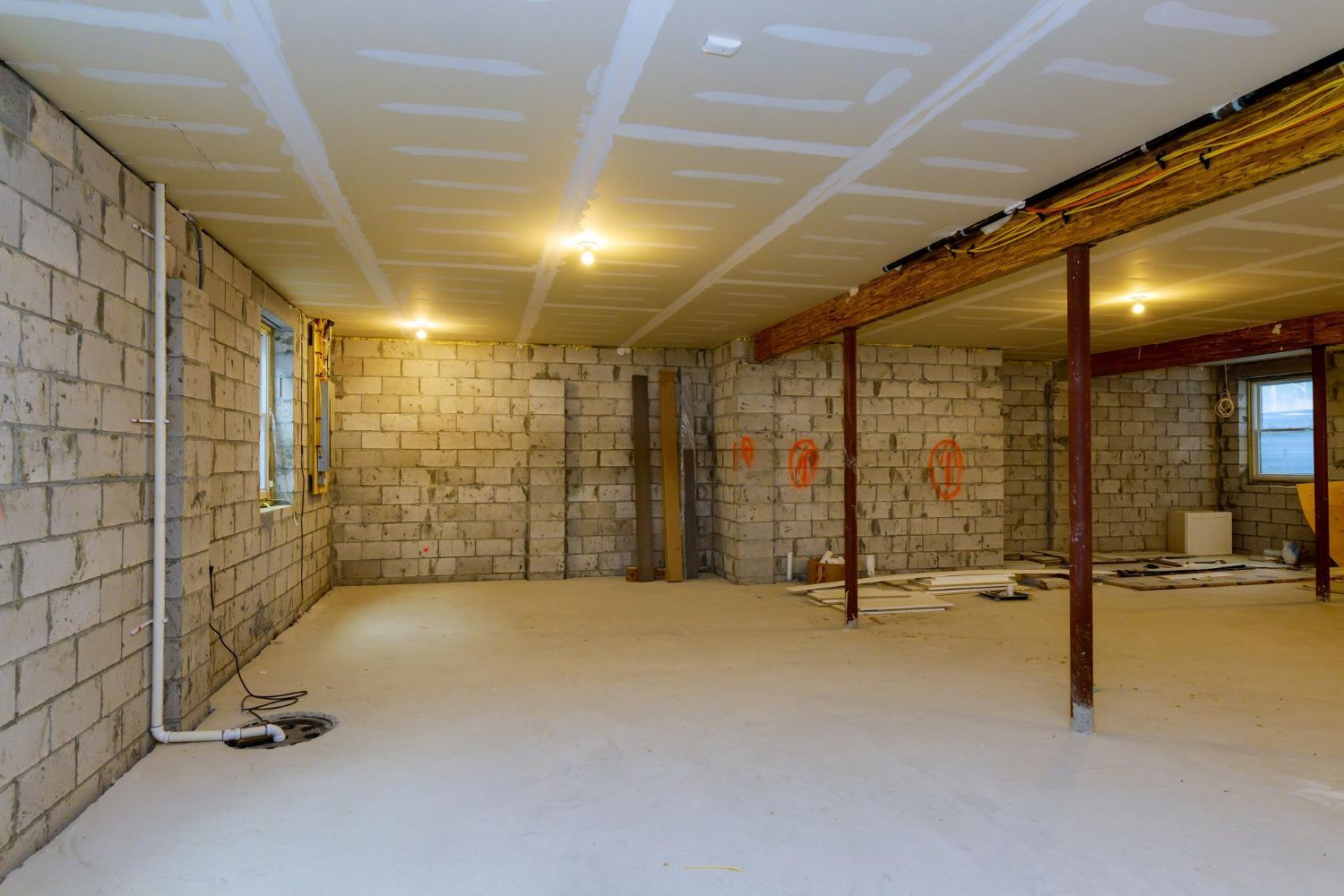
In Connecticut, most basements begin as a cold concrete slab that has seen at least some moisture. If flooring goes straight over that slab without a plan, problems are almost guaranteed. At White Oak Renovations, we put a lot of thought into subfloors during luxury basement remodeling in Connecticut, so homeowners can avoid expensive do-overs and enjoy a space that is truly built to last.
We at White Oak Renovations take a slow-build, no-shortcuts approach to every basement floor. That means spending the time up front to understand what your slab is telling us before we ever talk about finishes.
What Your Concrete Slab Is Really Telling You
Before we talk about flooring style, we listen to your slab. Its history matters. The age of the home, any signs of past water, and what is already on the concrete all affect what we can safely build.
We look at things like:
- Old paint or sealers on the slab
- Visible cracks or patch lines
- Efflorescence (white, chalky deposits) that hint at past moisture
- Areas that have clearly been wet before
In New England, freeze and thaw cycles and high groundwater mean that most slabs see some level of moisture at one time or another. That is normal, but it changes how we build.
For us, moisture is always the starting point, not the flooring brochure. We often:
- Do simple plastic-sheet tests to see if moisture collects under clear plastic taped to the slab
- Take moisture meter readings at several spots
- Ask about any history of leaks, seepage, or backups
Once we know the moisture picture, we check how flat and sound the slab is. Many basements have dips and humps that you can feel under rigid flooring. As a rule of thumb, any change bigger than about 1/4 inch over 10 feet can cause trouble. At that point, grinding, patching, or using self-leveling compounds may be needed. For a true luxury result, “good enough” concrete is not enough.
This slow, methodical assessment is part of how we respect your home and make sure what we build under your feet is built to last.
Choosing the Right Subfloor System for Your Space
There is no one subfloor that works for every basement. We match the system to the space, not the other way around.
In some basements that are relatively dry, insulated panels or dimpled-membrane systems can work very well. These float over the slab, create a small air gap, and add a bit of warmth. They are a nice fit when:
- There is no history of standing water
- Moisture is limited to vapor, not active seepage
- You want a simple, low-profile build-up
They are not the right answer if there is chronic seepage or strong water pressure under the slab. In those cases, that gap can become a hidden wet zone.
Raised wood subfloors are another option. We might install 2x sleepers or panelized wood products over a proper moisture barrier, which creates an air space and a walking surface that feels more like an upstairs floor. The details matter here. We want:
- Pressure-treated materials where wood touches concrete
- Correct fastening patterns to keep things tight and quiet
- Thoughtful layout to avoid squeaks and soft spots
Sometimes, the most honest and durable choice is to work directly with the concrete. A well-prepped slab can take polished concrete, tile, or luxury vinyl tile without a separate wood subfloor. When moisture is stubborn, or ceiling height is limited, this approach respects the reality of the house instead of forcing wood where it does not belong.
In every case, the team at White Oak Renovations is focused on precision and long-term performance, not just what looks good on day one.
Moisture, Mold, and Why We Build Slow on Basement Floors
Our approach to basement floors is slow on purpose. Concrete holds moisture, and it does not care about project schedules. We often stage work so the slab has time to dry after any grinding, patching, or water management steps. Dehumidifiers run, we retest, and we only move forward when the readings make sense.
That extra week or two can be the difference between a floor that quietly lasts and one that swells or smells a few years later. For us, that is part of our no-shortcuts mindset and our "slow build" philosophy, taking the time now so your basement stays dry and beautiful 10 or 20 years from today.
Another big piece is using the right layers in the right order. There is a difference between:
- A true vapor barrier that blocks moisture almost completely
- A vapor retarder that slows moisture movement
- A breathable underlayment that allows controlled drying
Putting the wrong product in the wrong spot can trap moisture under your subfloor. Trapped moisture can turn into mold, not just under your feet but inside wall cavities and behind baseboards, even if you never see standing water. A space that looks high-end but is hiding mold is not anyone’s idea of luxury. We want basements that are healthy as well as beautiful.
This is where our commitment to honesty comes in. If the moisture picture means a certain flooring choice is risky, we will say so and explain why, instead of taking shortcuts that could cause problems later.
Seasonal Realities of Connecticut Basements
Connecticut basements do not live in a steady, controlled world. Seasons matter. In spring, snowmelt and rain push groundwater up. Vapor drive through slabs goes up with it, so we plan testing and key subfloor decisions with that in mind whenever we can.
Summer brings its own twist. Warm, humid air meeting a cool basement floor can create condensation even in a basement that never has a leak. That is why we look at year-round moisture control, not just keeping water off the floor. Dehumidification and HVAC planning help protect the subfloor, not just improve comfort.
We also think about the build calendar. Some flooring installs are better held until moisture levels settle. Respecting the natural rhythm of the house is part of respecting the home itself. For us, it is not about dragging a project out; it is about not forcing a timeline that could shorten the life of your new space.
How Subfloor Details Decide Your Finished Floor Options
Every subfloor decision we make has a ripple effect. The system under your feet can lock in or limit what finished flooring you can use now and in the future. For example, a well-designed, dry, and flat subfloor makes it easier to install:
- Engineered wood
- Luxury vinyl tile or plank
- Carpet with padding
- Tile or stone in selected areas
We think in decades, not just the first photo when the job is done. With the right subfloor, swapping from carpet to luxury vinyl tile down the road, or refreshing a worn surface, becomes much easier and less invasive.
Comfort and sound also come from below. A raised, well-built subfloor can make a basement feel softer, warmer, and quieter, with less echo and less “hollow” sound. For many homeowners, the goal is a basement that does not feel like a basement at all, and the floor structure is a big part of that.
At White Oak Renovations, founded in 2022 by craftsman Michael Fogarty, we plan basement floors with a step-by-step, hands-on process. We start with a site visit, a careful look at the slab and moisture, and a real conversation about the history of the space. Then we talk through subfloor options, timing, and what makes sense for the long-term health of the home.
We protect existing finishes, control dust, and explain when extra prep is needed under the floor so there are no surprises. Our goal is a basement remodeling project that is built to last, with no shortcuts and an installation process that respects your home from the first day of prep to the final walkthrough.
For homeowners considering luxury basement remodeling in Connecticut, the best place to begin is not with tile samples, but with what is happening under your feet, and with a team committed to careful, honest work that will serve your home well for years to come.
Get Started With Your Project Today
Transform your unused lower level into a refined extension of your home with
Luxury basement remodeling in Connecticut tailored to your lifestyle. At White Oak Renovations, we listen carefully to how you want to live in the space and guide you through every detail so the results feel both beautiful and practical. If you are ready to talk ideas, timing, or budget, reach out and
contact us to schedule a no-obligation consultation.