Small spaces get crowded fast, especially in older Connecticut homes. Coats pile up by the door, bedroom closets spill over, and there never seems to be a good spot for boots, bags, or seasonal gear. Custom closets give all of that a home, so your rooms feel calm instead of cramped.
In this article, we will walk through how smart closet design turns awkward corners and tight spots into hard-working storage. We will also share ideas for layouts, features, and seasonal setups that fit real life in Connecticut, based on what we see every day as a remodeling and custom carpentry team.
Make Every Inch Count with Smart Closet Design
Many homes have “dead zones” that are not doing much for you. Think of the space under the stairs, that shallow nook at the end of a hallway, or the corner of a bedroom with a sloped ceiling. On their own, they feel useless. With a custom closet, they can suddenly hold shoes, coats, cleaning supplies, or extra bedding.
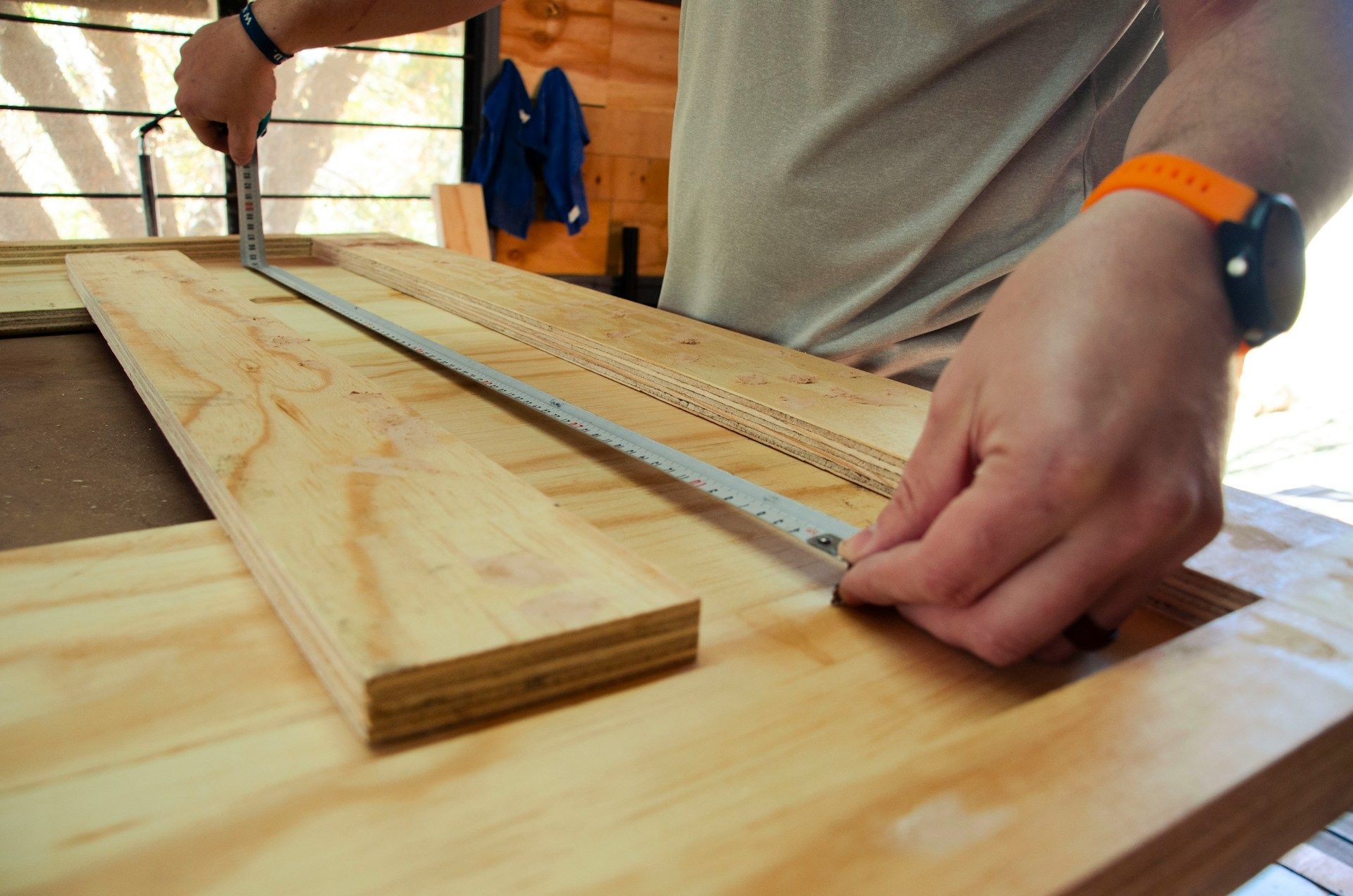
Smart closet design starts with fitting storage to the exact shape of the space. Instead of forcing in a standard shelf or rod, we build around the ceiling angles, corners, and odd depths. That is where custom millwork and trim really shine. When shelving is measured to the inch, you do not lose those small gaps that collect dust but never hold anything.
We focus on:
• Turning under-stair areas into coat or pantry storage
• Filling short walls with shallow, organized shelving
• Building into corners so there are no unreachable “black holes”
At White Oak Renovations, our work in precision woodworking lets us treat your small closet like a custom piece of furniture, not just a box with a rod. That level of detail is what makes a tight space feel larger and easier to live with.
Why Custom Closets Matter in Connecticut Homes
Connecticut has many older homes with charming character and not much built-in storage. Bedrooms can be small, hall closets are narrow, and there might be only one or two closets on a whole floor. Prefab closet systems rarely fit these spaces well, which often leads to wasted inches and ongoing clutter.
Our climate adds another layer. We deal with:
• Heavy winter coats, boots, hats, and gloves
• Muddy shoes and wet gear near the entry or mudroom
• Sports equipment and outdoor items that need a place to land
All of this needs to be stored somewhere, and it should not live in a heap on the floor. Custom closets in Connecticut homes can be planned around these real needs, so you have space for both winter and summer wardrobes, plus everyday items you grab on the go.
Well-planned closets also help when it is time to sell. Buyers notice clean, organized storage. Closets that feel built-in and thoughtful add to the overall appeal of the home. Even if you are not planning to move, living with less visible clutter makes day-to-day life smoother and a lot less stressful.
Smart Layouts That Transform Small Closets
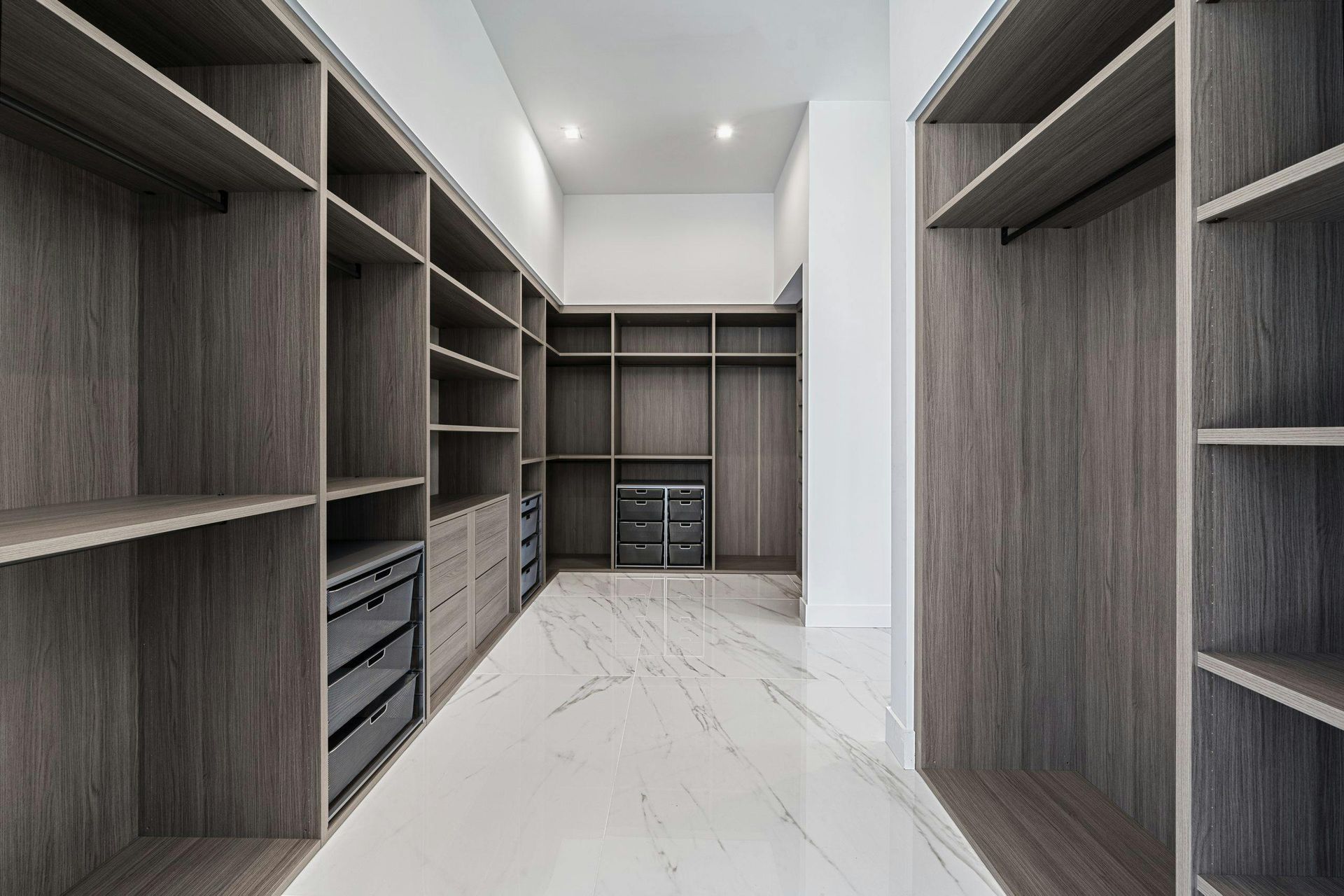
The layout is where a small closet either works hard or gives up. One of the biggest tricks is planning vertically. Most Connecticut homes have 8 or 9 foot ceilings, which gives you more height than you might think.
We like to use:
• Double hanging rods for shirts and pants, one over the other
• Tall shelving right up near the ceiling for rarely used or off-season items
• A single high shelf above the rod for bins, bags, and folded sweaters
Zoning is also key. Every item should have a clear “home,” so clutter does not creep back. A simple setup might include:
• A section for daily wear, easy to reach
• A taller area for dresses, coats, or long items
• Lower shelves or cubbies for shoes
• A top zone for off-season clothing and accessories
Small tweaks often make the biggest impact, like adding corner shelves so nothing is lost in the back, or slide-out baskets for soft items like scarves and workout clothes. Hooks on narrow wall sections hold bags or hats, and a built-in hamper keeps dirty laundry from spilling into the room.
Choosing Custom Closet Features That Fit Your Life
Features should match how you live, not the other way around. For smaller Connecticut homes, we look for pieces that give clear separation and easy access without taking up extra room.
Helpful features include:
• Pull-out drawers for folded clothes and small items
• Shallow shelves for shoes so pairs stay side by side and visible
• Adjustable rods that can move as your needs change
• Racks for belts, ties, or scarves
• Trays or inserts for jewelry, watches, and keys
Material choice matters, especially in basements or areas that may be a bit damp. We often suggest durable woods or wood products with finishes that handle moisture better than unfinished boards. Color also affects how a small closet feels. Light, soft tones can brighten a tight, windowless space and help it feel less cramped.
Lighting and hardware finish the space. LED strip lights or motion-sensor lights make it easy to see items, even in deep corners. Soft-close hinges keep doors from slamming. Sturdy, comfortable pulls and handles give a little touch of luxury that you feel every single day.
Seasonal Closet Strategies for Connecticut Weather
With four real seasons, our closets have to flex. Heavy coats, snow pants, chunky sweaters, and boots take up far more space than summer clothes. A good custom closet is planned from the start for rotation, not constant overload.
A simple seasonal plan:
• Use labeled bins or baskets on high shelves for winter hats, gloves, and scarves
• Reserve one section of hanging space for out-of-season coats and bulky items
• Keep everyday shoes and jackets at eye and hand level, send off-season pairs higher up
Spring is a great time to reset. As the weather warms, it helps to:
• Pull everything out and decide what you no longer wear
• Store only clean, folded winter items in closed bins
• Group lighter layers and rain gear in the most accessible area
• Use labels so every family member knows where items go back
Closets can also support other storage needs, like holiday decor, sports gear, or guest linens. The key is to give these items specific zones that do not invade the area you need for daily clothing.
Custom Closets Beyond the Bedroom
Some of the best small-space wins happen outside the bedroom. Entryways and mudrooms are often the biggest pain points in Connecticut homes. A custom closet or built-in storage wall here can change how the whole house feels.
Good options for these areas include:
• Cubbies for kids, each with a spot for shoes, backpacks, and coats
• Bench seating with hidden storage underneath for boots or bags
• Hooks at different heights for quick hanging of jackets and bags
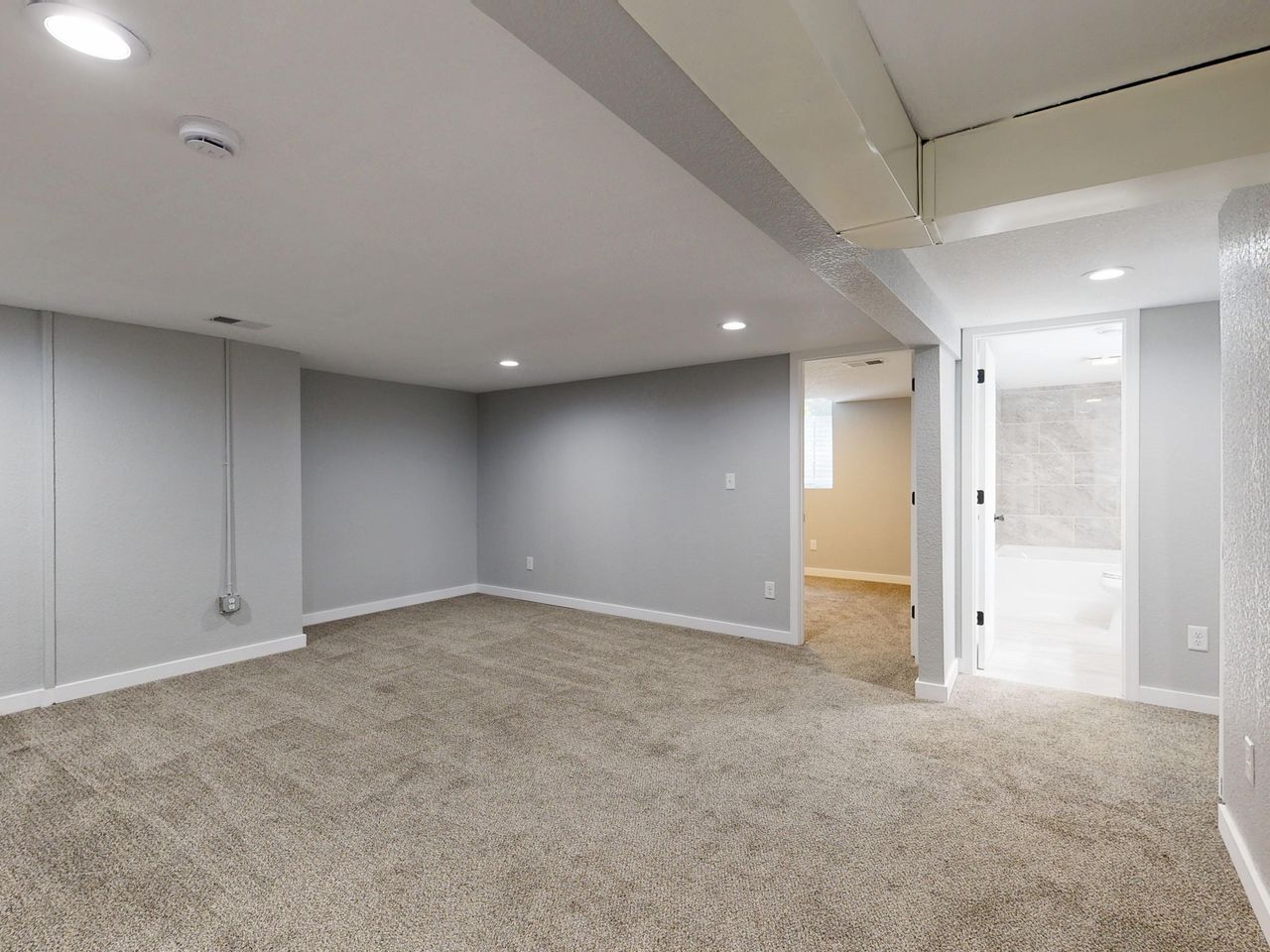
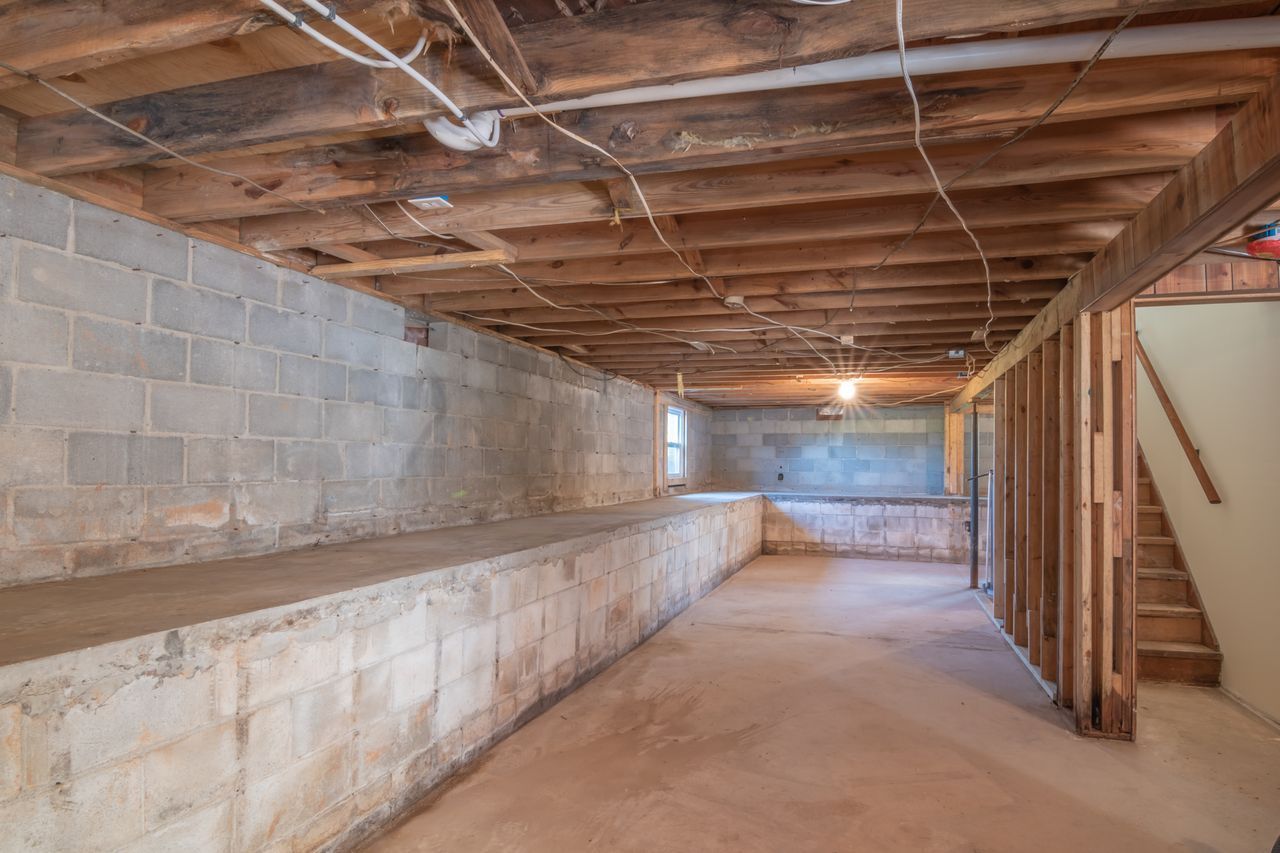
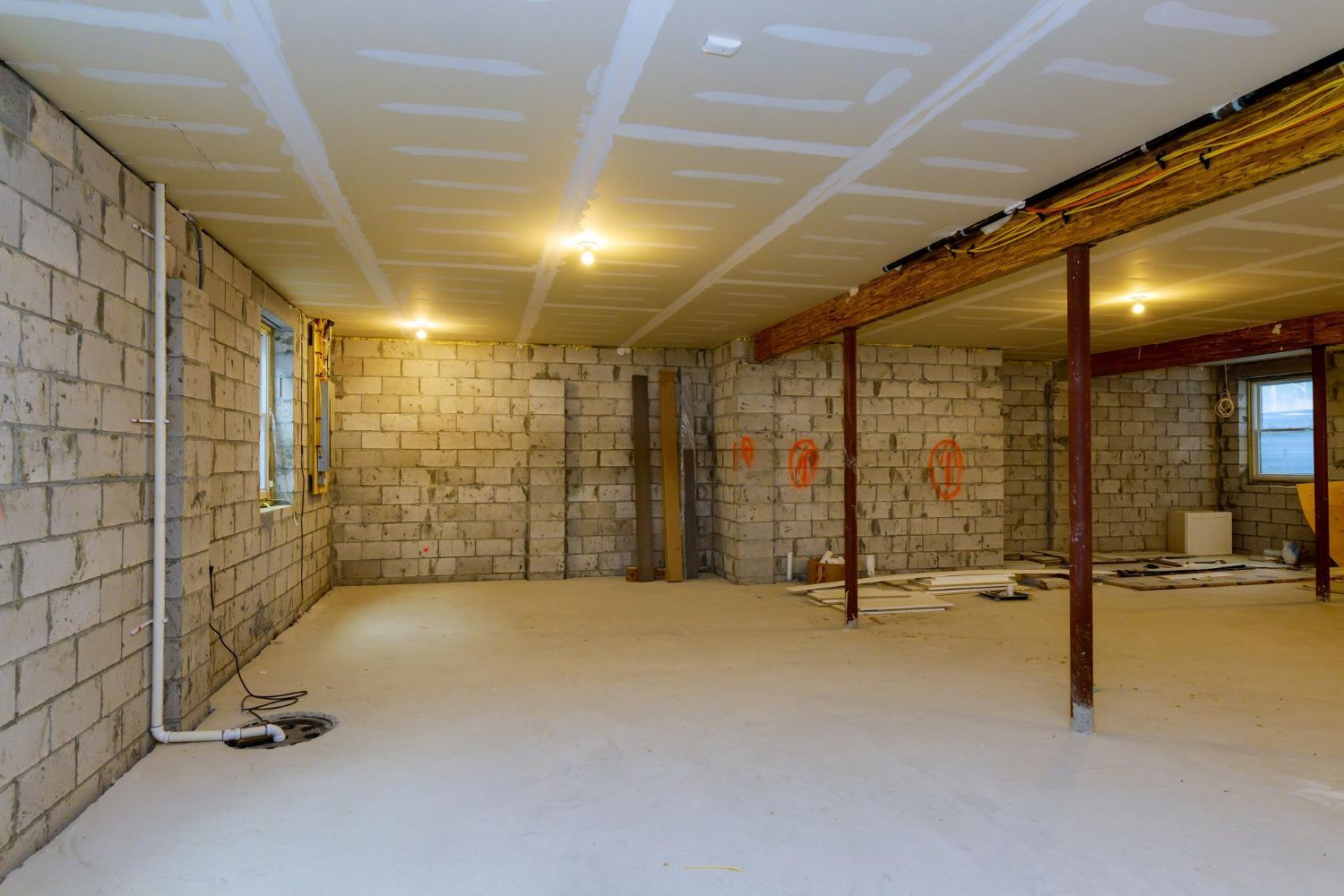
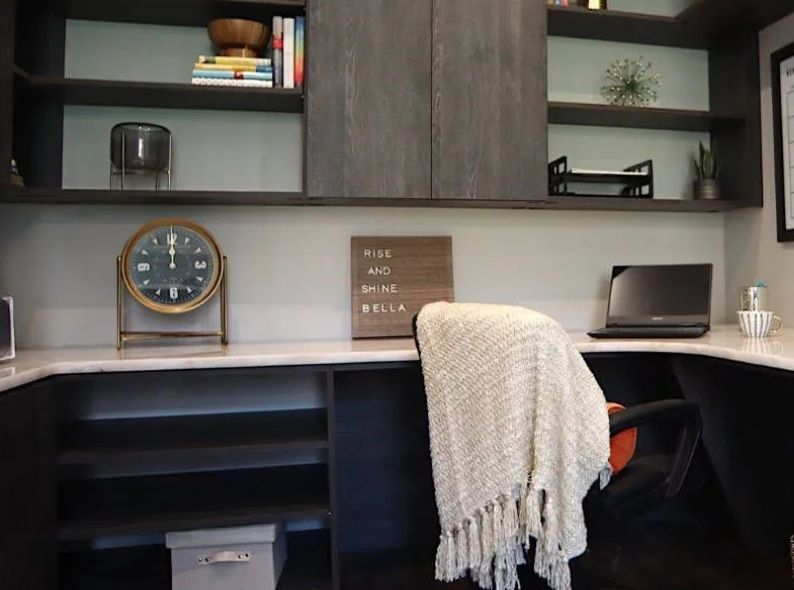
Basements and bonus rooms are another great place for custom closets. With the right layout, a single wall of storage can hold hobby supplies, home gym gear, toys, or office materials. Doors or panels keep everything tucked away so the room can still feel calm and open.
In select commercial spaces, like small offices or studios, closet-style storage brings order without cluttering the look of the room. Built-in shelving, cabinets, and hanging space can hold materials, samples, or supplies while still matching the style of the space.
From our perspective at White Oak Renovations, thoughtful custom closets are one of the most effective ways to make a Connecticut home feel bigger, more organized, and more enjoyable every day. By planning carefully, using quality woodworking, and respecting the way you actually live, even the smallest corners of your home can start to work for you.
Get Started With Your Project Today
Transform the way you use your space with thoughtfully designed storage that fits your home and lifestyle. Explore how our
custom closets in Connecticut can bring order, function, and a polished look to every room. At White Oak Renovations, we work closely with you to tailor every detail, from layout to finishes. Ready to talk ideas and next steps? Simply contact us to schedule a consultation.