Turning a Basement Workshop Into a Whole-Home Asset
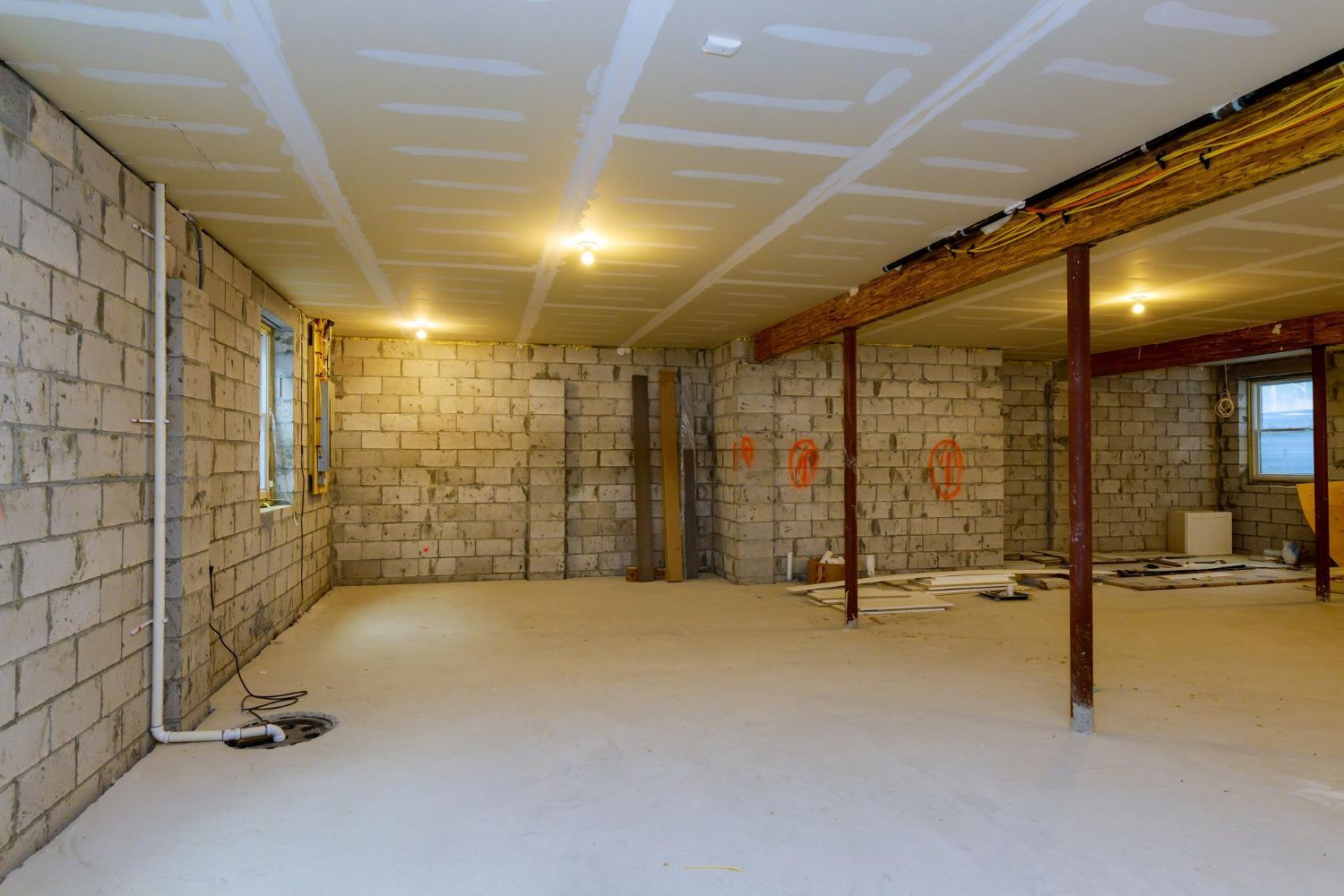
A basement workshop can be a great place to spread out, keep tools ready, and work on projects without covering the dining room table in sawdust. The trick is doing it in a way that does not disturb the rest of the house or hurt long-term value. A good workshop feels like the quiet engine room of your home, working hard in the background while the upstairs stays clean, calm, and comfortable.
At White Oak Renovations, we focus on basement remodeling that respects your whole home. We pay close attention to dust, noise, vibration, and layout so your workshop feels built in, not tacked on. Founded in 2022 by Michael Fogarty, our team brings a detail-driven approach to every project, with custom carpentry and woodworking built to last and backed by a 1-year craftsmanship warranty.
Planning a Workshop That Fits Your Home and Life
The best workshop starts with how you actually work. Before thinking about finishes, it helps to be honest about your tools and your habits.
Some good questions to ask yourself are:
- Do you work mostly with hand tools or larger machines like table saws and planers?
- Are you in the shop a few weekends a month or almost every day?
- Is this a personal hobby, side business, or full-time work area?
- Do you need space for finishing and assembly or mainly for cutting and shaping?
These answers change how we plan:
- Layout and work triangle around your most used tools
- Storage depth, height, and weight limits
- Power needs, from 120V outlets to 240V circuits for bigger machines
- Clear paths for moving lumber and finished pieces in and out
We also look at the rest of the house. Where are the bedrooms, living room, and home office? Are there mechanicals like your furnace, water heater, or main electrical panel nearby? In many Connecticut homes, stairs are tight and walls are close. We plan lumber and sheet-good paths so you are not banging into drywall every time you bring in a new project.
Timing matters too. Many homeowners plan basement remodeling in late spring or early summer, when humidity is rising but the cold is gone. That window can help:
- Let building materials acclimate to typical basement conditions
- Fine-tune dehumidifiers before heavy fall and winter use
- Get inspections and rough work finished before cooler weather changes how the house behaves
Slow Build Spotlight, Thoughtful Layout Over Quick Decisions
We are big believers in not rushing layout. Moving a rolling tool cabinet later is easy. Moving dust collection trunks in the ceiling, running new conduit, or shifting a heavy, built-in bench is not.
So we plan for:
- A clear work triangle between your main cutting, assembly, and storage zones
- Lumber storage at heights that are reachable without strain
- Open walking paths that stay safe even when a project is mid-build
We also build in future flexibility. That can mean leaving space for one more large tool, planning extra circuits, or designing walls and ceilings so the workshop can evolve into a finished family space later without ripping everything apart.
Controlling Dust, Noise, and Vibration at the Source
Dust is more than a mess; it is a health and house problem. Fine dust can bother your lungs, coat your finishes, and work its way into electronics and HVAC equipment if it spreads.
A good dust plan usually includes:
- A proper dust collection system for big tools
- Sealed joints and carefully taped connections in duct runs
- Thoughtful placement of registers, returns, and vents to avoid dragging dust into the rest of the home
Noise and vibration matter too, especially if bedrooms are nearby. To keep your workshop from sounding like an airport upstairs, we often look at:
- Insulated walls and ceilings around the shop area
- Resilient channels for sound control in ceilings where needed
- Solid-core doors that actually block sound, not just look nice
- Rubber isolation pads under heavy machines to cut down on vibration transfer
Respecting shared systems is a big part of this. Dust extraction and ventilation should work with your existing HVAC, not fight it. Any combustion equipment or open flame, like some heaters or finishing tools, has to be planned and built to code so the whole house stays safe.
Slow Build Spotlight, Letting Systems Prove themselves
We prefer a "shake-down" period before every last wall is closed or permanent cabinets are locked in. That might mean:
- Running the dust collection while cutting and sanding to spot leaks
- Listening for odd rattles or low hums in certain ceiling bays
- Testing sound levels upstairs while machines are running at full speed
By moving slowly here, we can catch problem spots, like a joint that leaks fine dust or a beam that carries vibration, before they are buried for good. This patient step keeps hidden issues from becoming permanent features in an otherwise well-built basement workshop.
Smart Electrical, Lighting, and Storage That Age Well
Electrical work in a workshop should be planned for long-term use, not just what you own right now. We like to think about:
- Both 120V and 240V circuits where needed
- Dedicated breakers for major machines
- Plenty of outlets at bench height, not just down near the floor
- Clear labeling so future changes are safer and quicker
Good lighting is just as important. You want to see layout lines, wood grain, and finishes clearly.
A layered lighting plan often includes:
- Bright ambient ceiling lighting with efficient fixtures
- Task lights over workbenches, saws, and assembly areas
- Light color that shows true wood tones and finish colors
For storage, strong, well-planned built-ins usually beat wobbly freestanding shelves. Popular choices include:
- Lumber racks with room for airflow and safe loading
- Clamp walls with clear spacing so tools are easy to grab and return
- Hardware drawers that keep small parts sorted and within reach
- Vertical storage with heavy items kept low for safety
Slow Build Spotlight, Acclimating Materials and Fixtures
Basements in Connecticut can swing in humidity, especially as seasons change. At White Oak Renovations, we often let lumber, cabinets, and even some fixtures sit in the basement for a period before final installation. This helps:
- Reduce warping in cabinet doors and face frames
- Keep drawers from sticking after the first humid week
- Prevent sagging shelves once they are fully loaded
We build the sequence around the space itself, running dehumidifiers, checking how the room behaves, then locking in the final details. That patience keeps jigs, cabinets, and storage working smoothly for years.
Finishes, Safety, and Comfort That Respect Your Whole Home
Finishes in a basement workshop need to be tough and easy to clean. Floors often do best with:
- Sealed concrete that resists dusting
- Durable epoxy coatings for impact and spill resistance
- Rugged vinyl options that handle traffic and dropped tools
Walls should have washable surfaces that stand up to dust, bumps, and occasional tool contact. Light-colored finishes help reflect light and make the space feel larger and more open.
Safety should be part of the first drawing, not an afterthought. That means:
- Clear egress paths and code-compliant stairs
- Safe tool zones with space around each machine
- Well-marked shutoffs for power and dust collection
- Secure, vented storage for finishes, glues, and chemicals
Comfort matters too. A workshop that is too damp, too cold, or too hot will not get used. We look at targeted heating and cooling, dehumidification, and air filtration that keep the basement comfortable without overloading the main systems or pushing workshop air into living spaces.
Slow Build Spotlight, Testing Comfort Across Seasons
Basements can feel very different in a humid stretch compared to a cool, dry week. We like to see how the space behaves across different conditions before calling it finished. Small changes in:
- Dehumidifier settings and placement
- Fresh air vents and returns
- Supplemental heat sources
can keep mold, rust, and musty odors from getting a foothold. That careful tuning protects your tools, your projects, and the rest of the home.
Building a Workshop That Earns Its Place in Your Home
A well-designed basement workshop should feel like it has always belonged in your house. It stays clean, quiet, and safe, and it works with your life instead of fighting it. The idea is simple: a strong, detailed "engine room" that supports your projects while the rest of the home stays peaceful.
When you treat basement remodeling as a long-term investment, you avoid shortcuts and focus on code, safety, and thoughtful design. At White Oak Renovations, founded in 2022 by Michael Fogarty, we approach workshop projects with that mindset, planning each step to be durable, precise, and fully respectful of your home.
Get Started With Your Project Today
If you are ready to turn your unused downstairs space into something practical and comfortable, our team at White Oak Renovations is here to help. Explore your options with our dedicated
basement remodeling services tailored to your home, budget, and timeline. We will walk you through every step, from initial concept to final walkthrough, so you always know what to expect. Have questions or want to schedule a consultation? Just
contact us to get started.