Rethinking Your Basement Before You Start
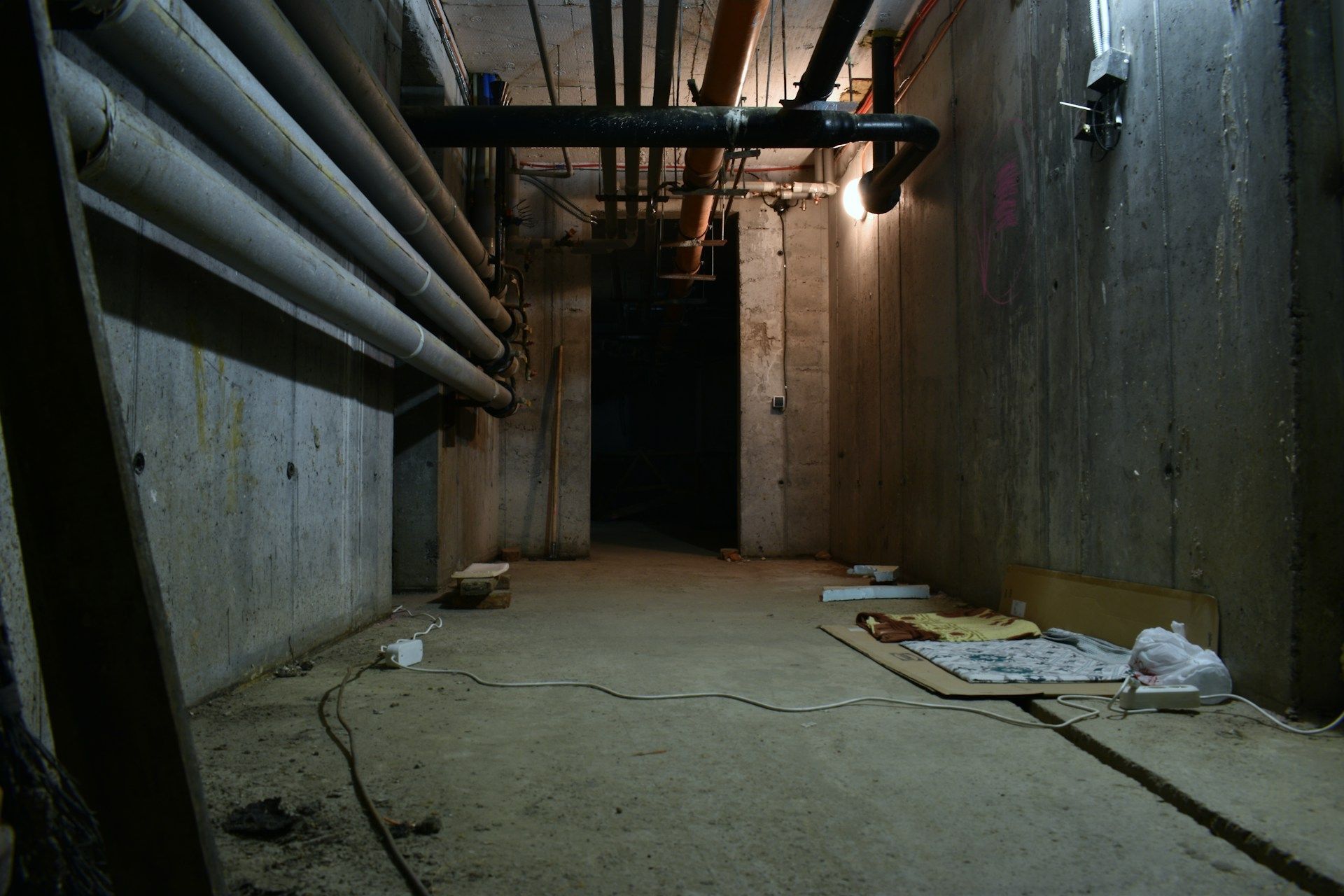
A lot of Connecticut homeowners get excited about basement renovations and jump straight to flooring samples, paint colors, and how many square feet they can “gain.” The problem is that a basement is not just another room you decorate. It is the part of your home that sits closest to the soil, handles the most moisture, and quietly affects the comfort of every floor above it.
When we look at a basement, we think about structure, water, and long-term comfort first. Finishes come later. If you start by asking better questions now, you can avoid a space that looks finished for a year, then starts to feel damp, musty, or out of sync with the rest of the house. Our goal here is to help you slow down, question your plan, and think through what it takes to create a basement that is dry, comfortable, and built to last, not just “done.”
Seeing Beyond Square Footage and Paint Colors
Before picking a wall color, it helps to ask how you really want to live in this space. Many people start with a vague idea like “family room” or “playroom,” then end up with a basement that never quite works. Instead, start with how your life actually looks.
Think through questions like:
- Do you need real storage for sports gear, holiday bins, or tools?
- Will anyone work from home down here, even part-time?
- Could you host overnight guests, or aging parents, in this space?
- Do kids need a zone that can change from toys to homework to teen hangout over time?
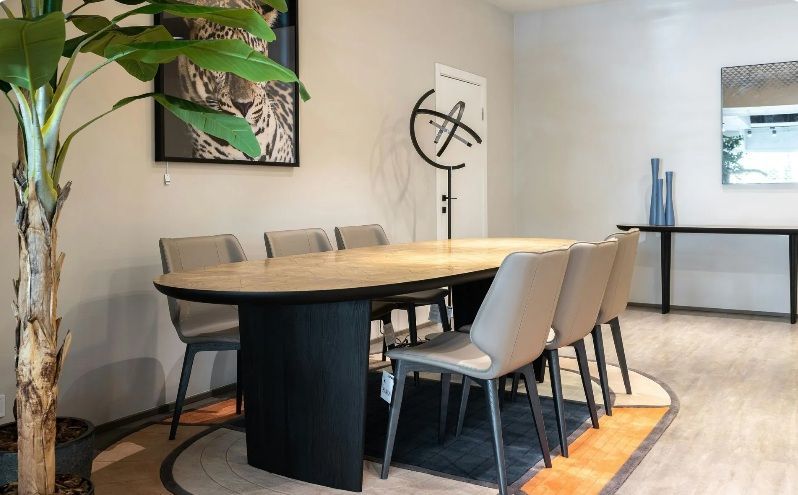
Once you know the needs, you can start to zone the basement. A quiet office next to a thumping TV wall is going to cause friction. A guest sleeping area right beside the main play space can feel awkward. Good planning might separate:
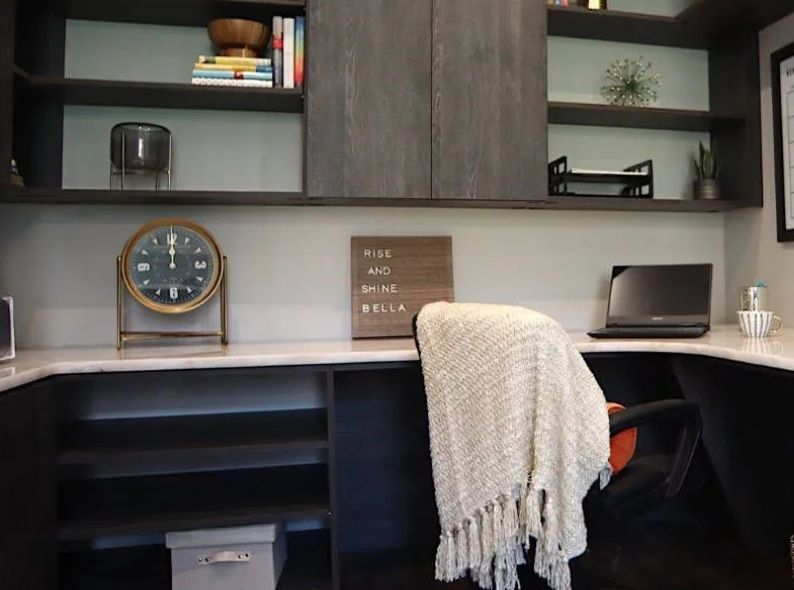
- A quiet work zone near the stairs with a solid door
- A media area deeper in the basement, away from bedrooms above
- A play or hobby space with floors and finishes that can handle abuse
- A defined storage wall or room, instead of random shelves in every corner
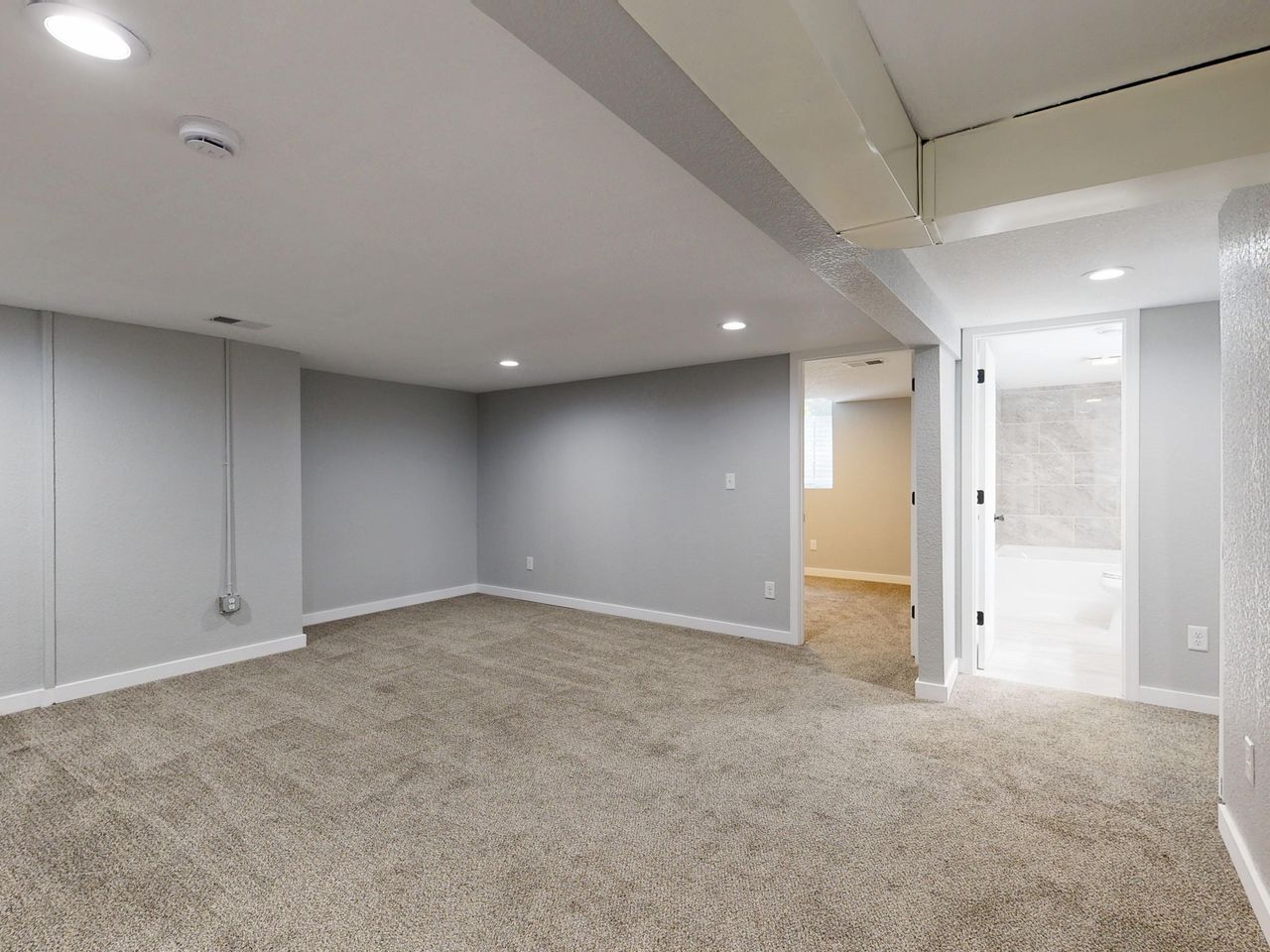
In Connecticut, many basements have lower ceilings or beams that break up the space. With careful layout, those quirks can be worked into the design so the basement feels like a natural extension of the main living areas, not a leftover space you “made do” with.
Moisture, Comfort, and Code: The Non-Negotiables
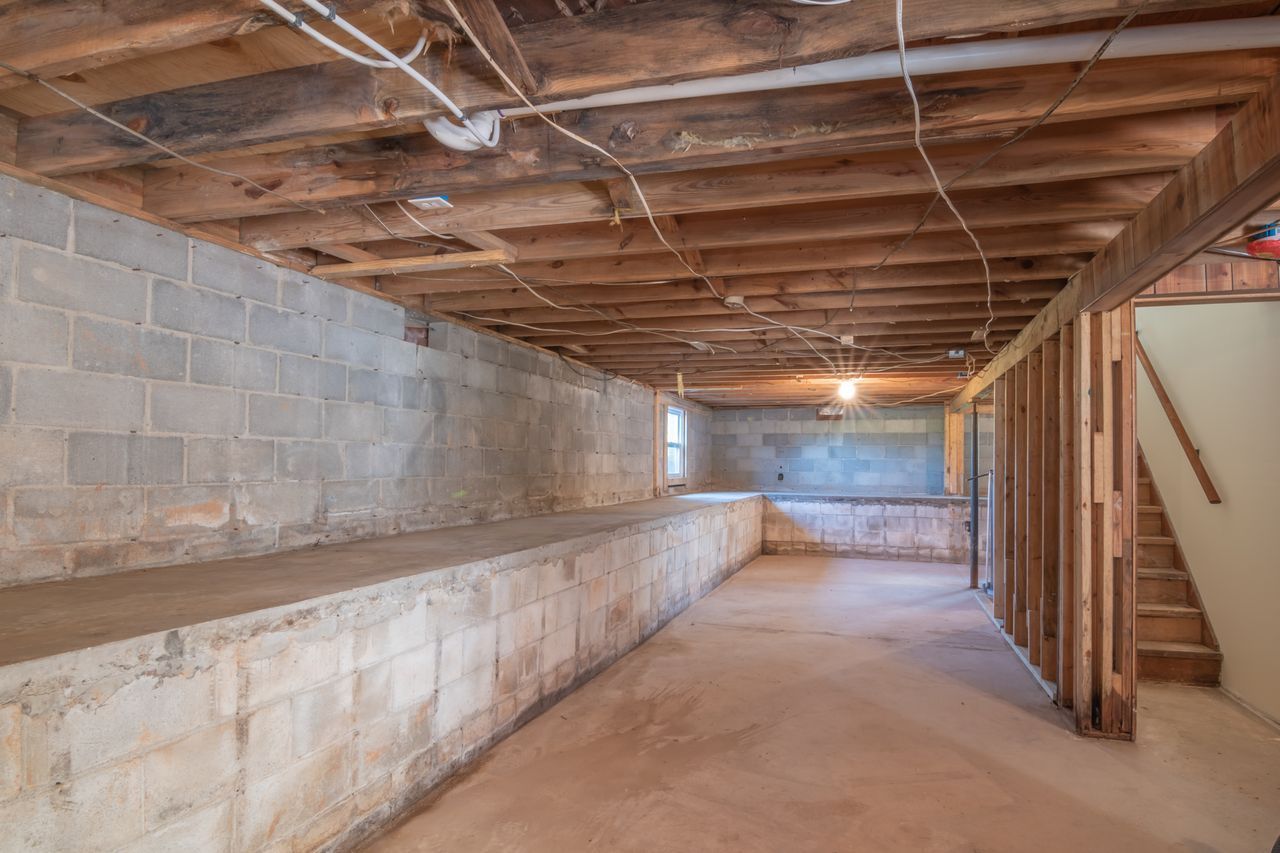
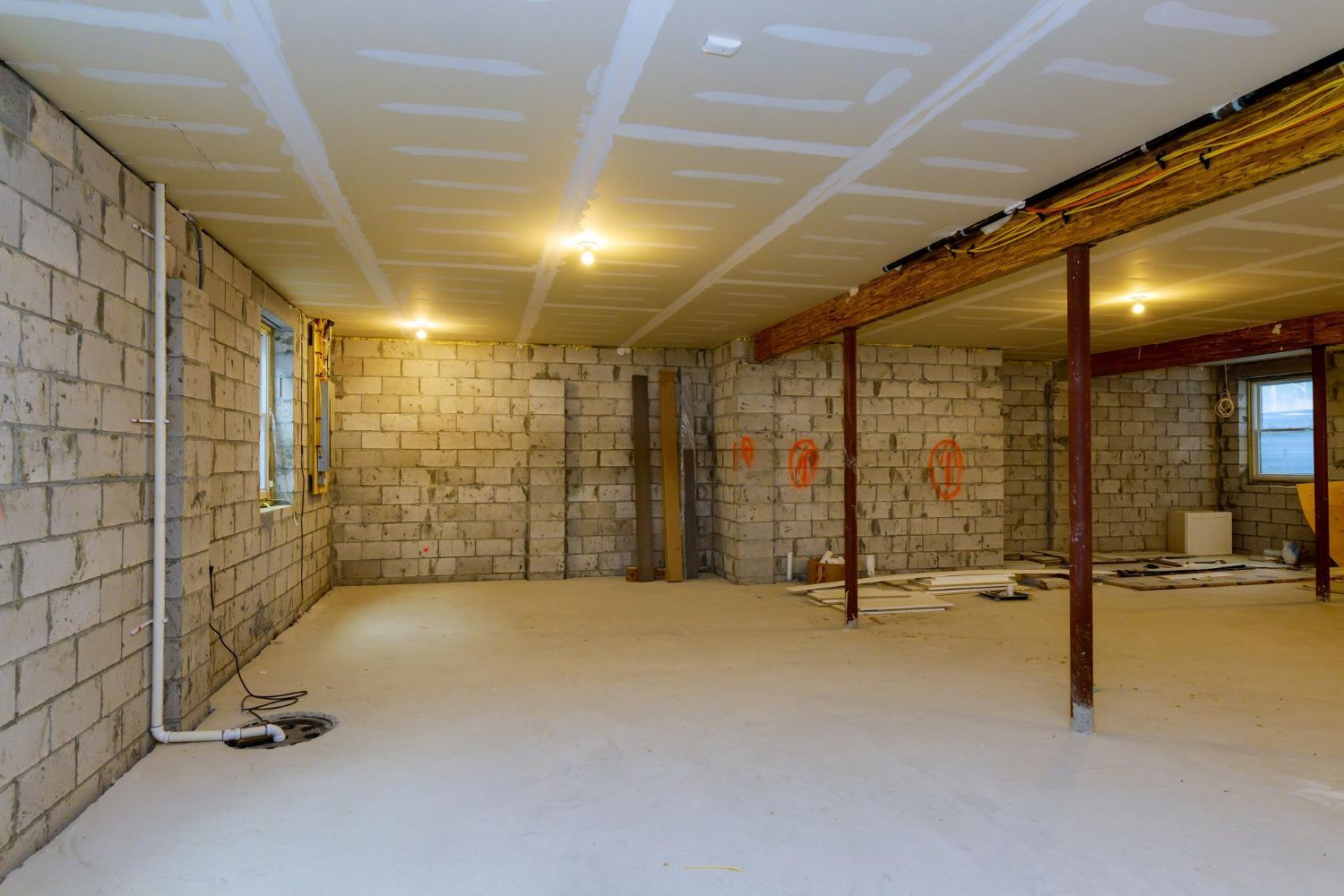
No finish choice matters if the basement is not dry and stable first. Before a single new wall goes up, it is important to understand how water and moisture move around and under your home. That usually means looking at:
- Exterior drainage and grading so water moves away from the foundation
- Any signs of past water intrusion, even small ones
- Vapor barriers at the slab and the walls where appropriate
- A plan for managing humidity through all four New England seasons
Comfort is not just about temperature; it is also about air quality. Without a good moisture strategy, you risk mold, musty smells, and finishes that fail early. That is not respecting your home or your investment.
Code and safety are also non-negotiable. In Connecticut, you need to think about:
- Adequate ceiling height for finished spaces
- Proper egress windows if you plan to call a room a bedroom
- Fire blocking in framing, so fire does not spread unseen
- Safe, code-compliant electrical layout, not just extra outlets wherever they fit
- Stair design that feels safe for kids, guests, and older family members
Taking the time to do this right up front slows the project down a bit, but it keeps you from having to open walls later or live with a space that never feels quite right.
The Slow Build Approach to a Lasting Basement
At White Oak Renovations, we talk a lot about a “Slow Build” approach. That does not mean we work carelessly or drag our feet. It means we respect the order of the work, proper drying times, and how materials behave in a basement over years, not weeks.
A few examples of what Slow Build looks like in practice:
- Allowing framing and insulation to go in only after moisture issues are addressed, not at the same time “to save time”
- Giving mud, skim coats, and paint enough time to dry and cure so they do not crack or peel
- Letting millwork, doors, and trim acclimate to the basement’s humidity before installation, so joints stay tight
New England basements see winter dryness, summer humidity, and everything in between. When you rush a build, wood can twist, doors can stick, trim can open up, and floors can move more than they should. A careful sequence means fewer callbacks, fewer little annoyances, and a space that feels solid every time you walk downstairs, year after year.
Millwork, Carpentry, and the Details You Live with Daily
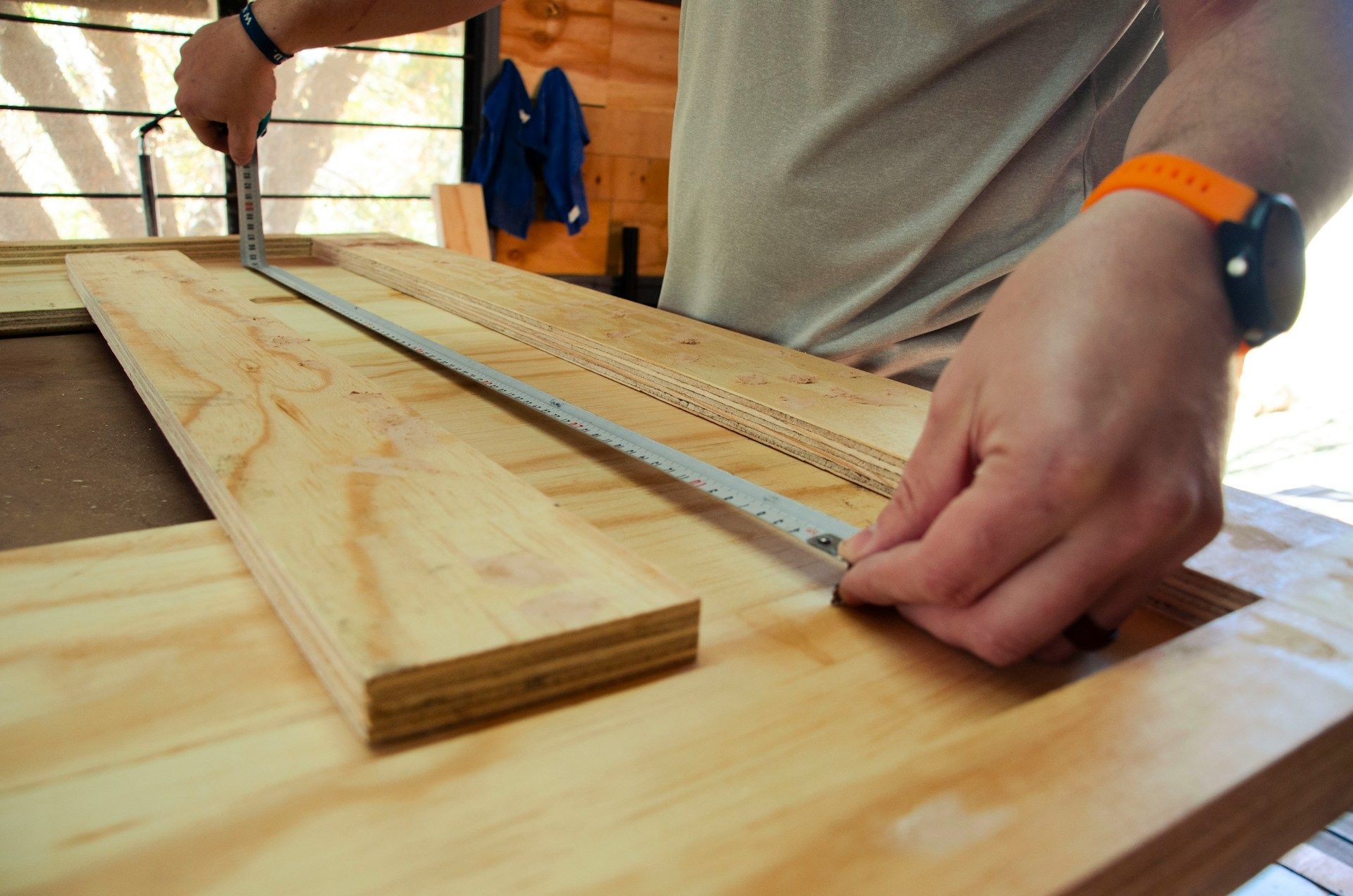
Basements often come with low walls, beams, columns, and mechanical equipment in awkward spots. Precise custom carpentry can turn those things from eyesores into design features. This is where we pay attention to the details you are going to touch every day.
Thoughtful millwork and built-ins can:
- Wrap a lally column with clean trim so it feels like part of the room
- Turn a low wall into a storage bench or display ledge
- Frame beams so they read like intentional ceiling details, not obstacles
- Add built-ins that hug uneven foundation walls and odd corners
Storage is especially important downstairs. Some smart ideas include:
- Window seats built under egress windows, with storage inside
- Shelving and cabinetry that “hide” mechanicals while keeping access clear
- Cabinets sized to deal with changing ceiling heights so everything looks planned
We also care about what is underneath the paint. Using durable materials, the correct fasteners, and careful installation makes doors feel heavy and true, drawers glide smoothly, and trim stays tight. You feel that quality every time you open a cabinet or lean on a rail.
Who You Trust and How You Plan Your Basement
Basements are unforgiving places for shortcuts. Rushed framing, thin flooring laid over a damp slab, or skipped moisture steps often show up quickly in Connecticut’s climate. That is one reason our company was started with a clear goal: slower, more careful work that respects the home.
White Oak Renovations was founded in 2022 by Michael Fogarty, after years of hands-on carpentry work. That background shapes how we approach every project. We think in wood, fasteners, and grain direction, not just paint colors. We believe good communication matters as much as good tools. That means setting honest expectations about timelines, dust control, protecting the finished parts of your home, and working around your family’s daily routine as much as possible.
As for timing, many homeowners like to plan basement renovations when the weather is more stable. Drier months can be a good time to:
- Assess moisture and drainage
- Plan layout and code requirements
- Complete structural and waterproofing work
Then, once the space is properly conditioned, finish carpentry and millwork can go in under more stable temperature and humidity. This kind of phasing supports the Slow Build idea and gives you a better finished result.
When you step back and question your basement plan, you start to see all the pieces that add up to a space that truly works for your family. Moisture strategy, comfort and code, good layout, quality materials, and a builder who refuses shortcuts all matter. Treating the basement as long-term living space, not a quick bonus room, leads to decisions you will feel good about every time you go downstairs.
At White Oak Renovations, we focus on luxury basement remodeling, precise custom carpentry, and careful millwork installation across Connecticut. Our approach is simple: take the time to plan, respect the home, and build in a way that lasts. When that mindset guides your basement renovations, the end result feels less like “finished square footage” and more like another true part of your home.
Transform Your Basement Into a Space You Truly Use
If you are ready to turn unused square footage into a functional, comfortable part of your home, our team at White Oak Renovations is here to help. Explore our
basement renovations services to see how we tailor every project to your goals, style, and budget. Tell us about your ideas and timeline, and we will walk you through clear options and next steps. Have questions or want to schedule a consultation now? Simply
contact us to get started.