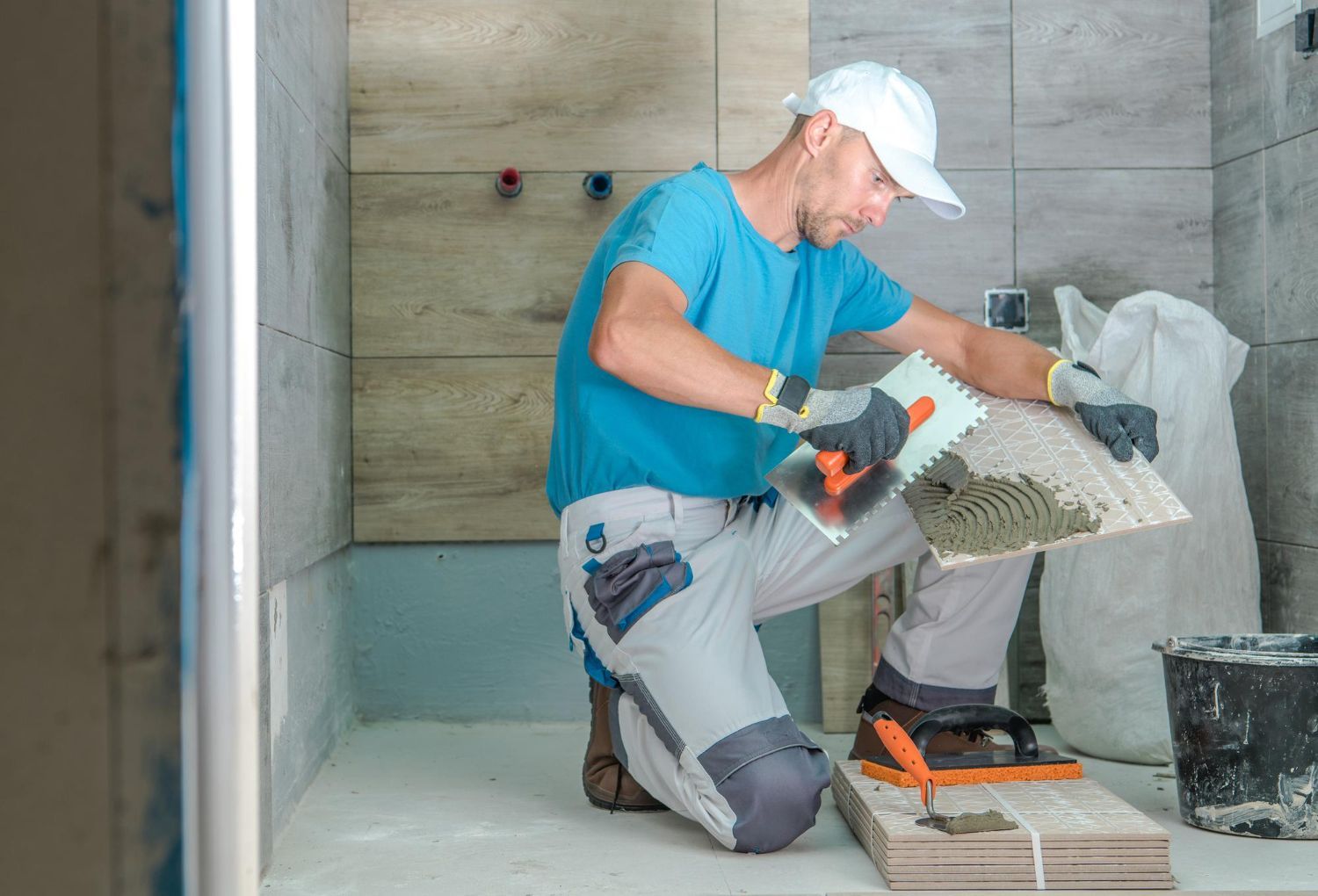
Basement Renovations That Stand up to New England Life
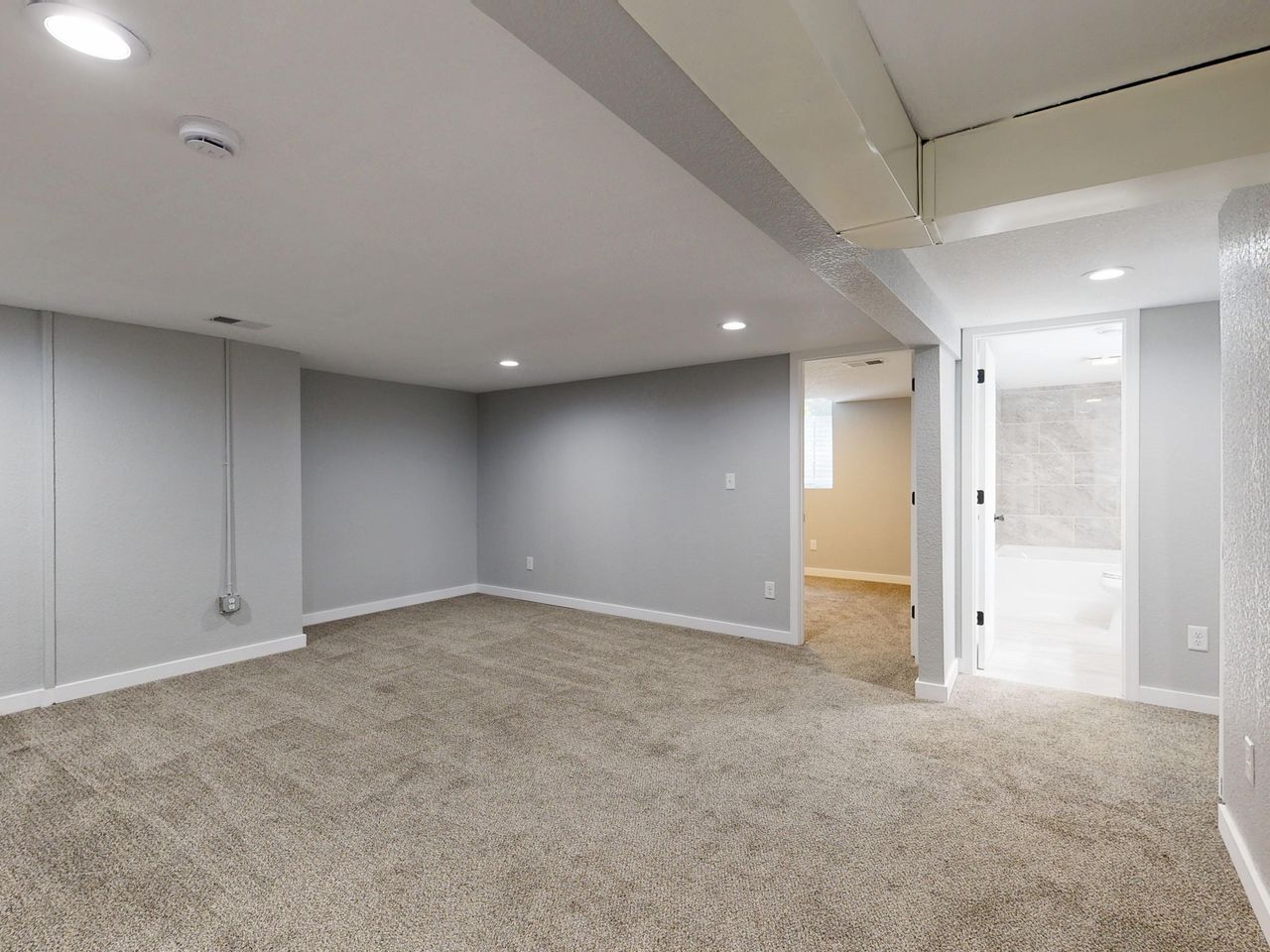
A basement can be a constant problem or one of the best rooms in your home. Damp concrete, musty smells, and cold floors make many basements feel off-limits. With the right planning and careful work, that same space can be dry, warm, and solid for decades.
In Connecticut, our four-season weather and freeze, thaw cycles are tough on any space below grade. Basement renovations done once and done right act like armor for your home. We at White Oak Renovations focus on planning, precision woodworking, and a no-shortcuts mindset so your basement feels like it truly belongs with the rest of your house, not like an afterthought.
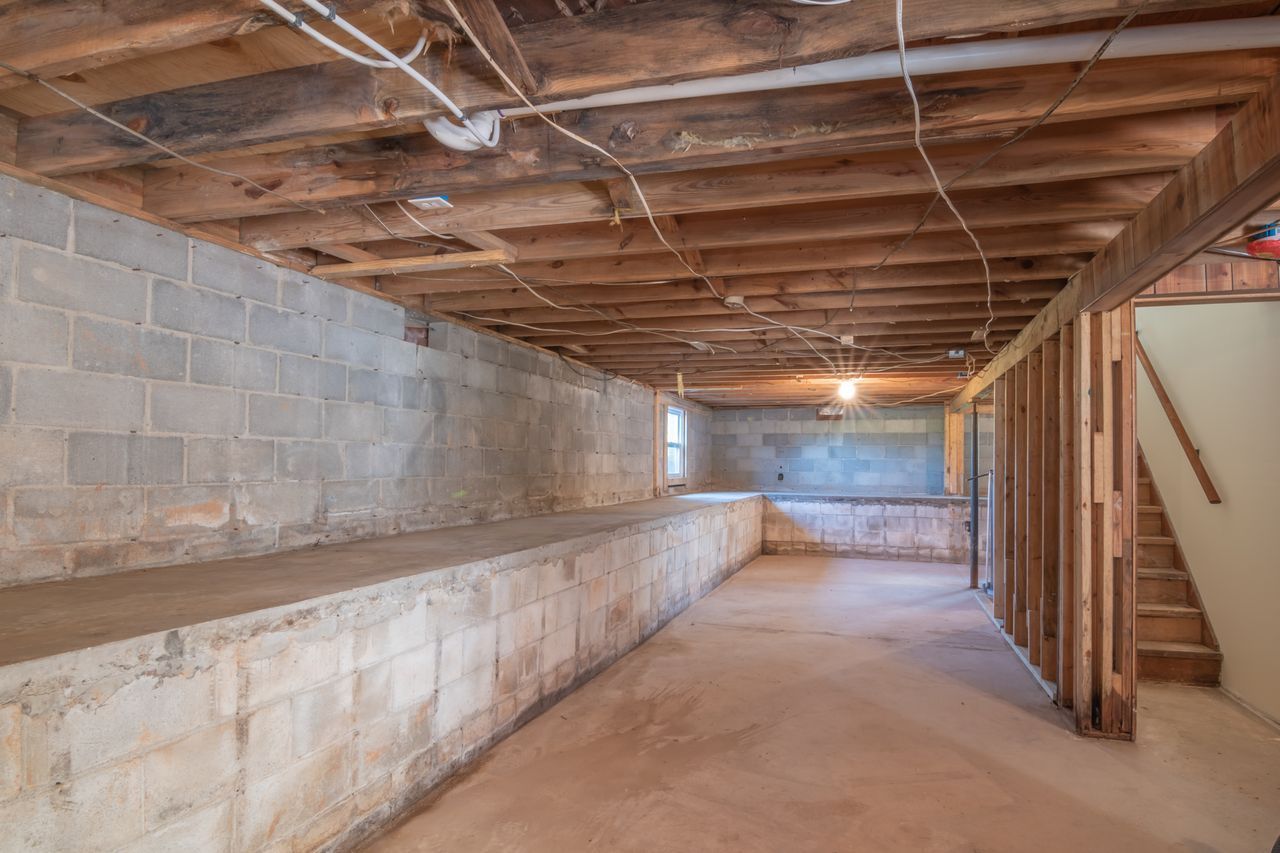
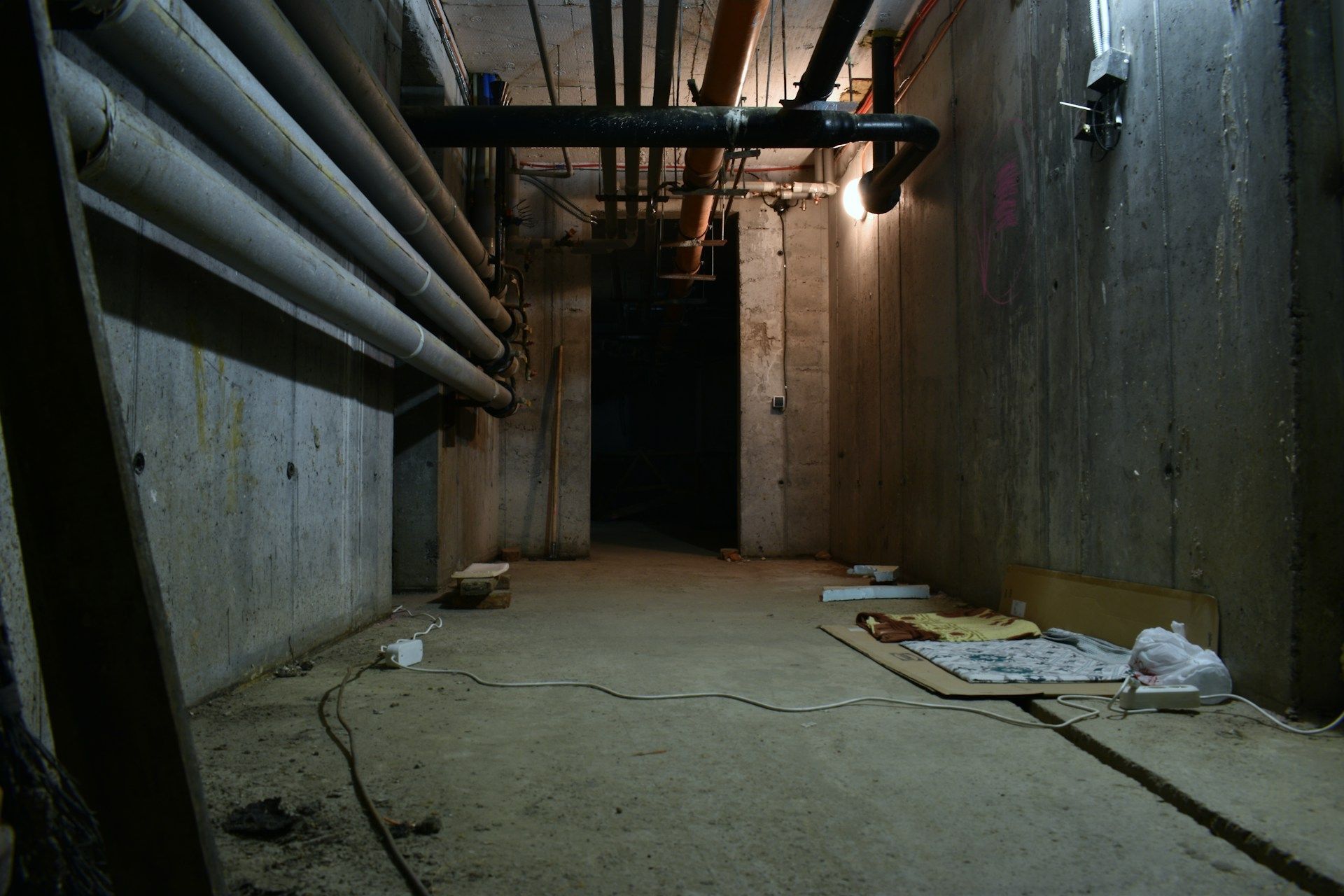
Why Connecticut Basements Fail Before Their Time
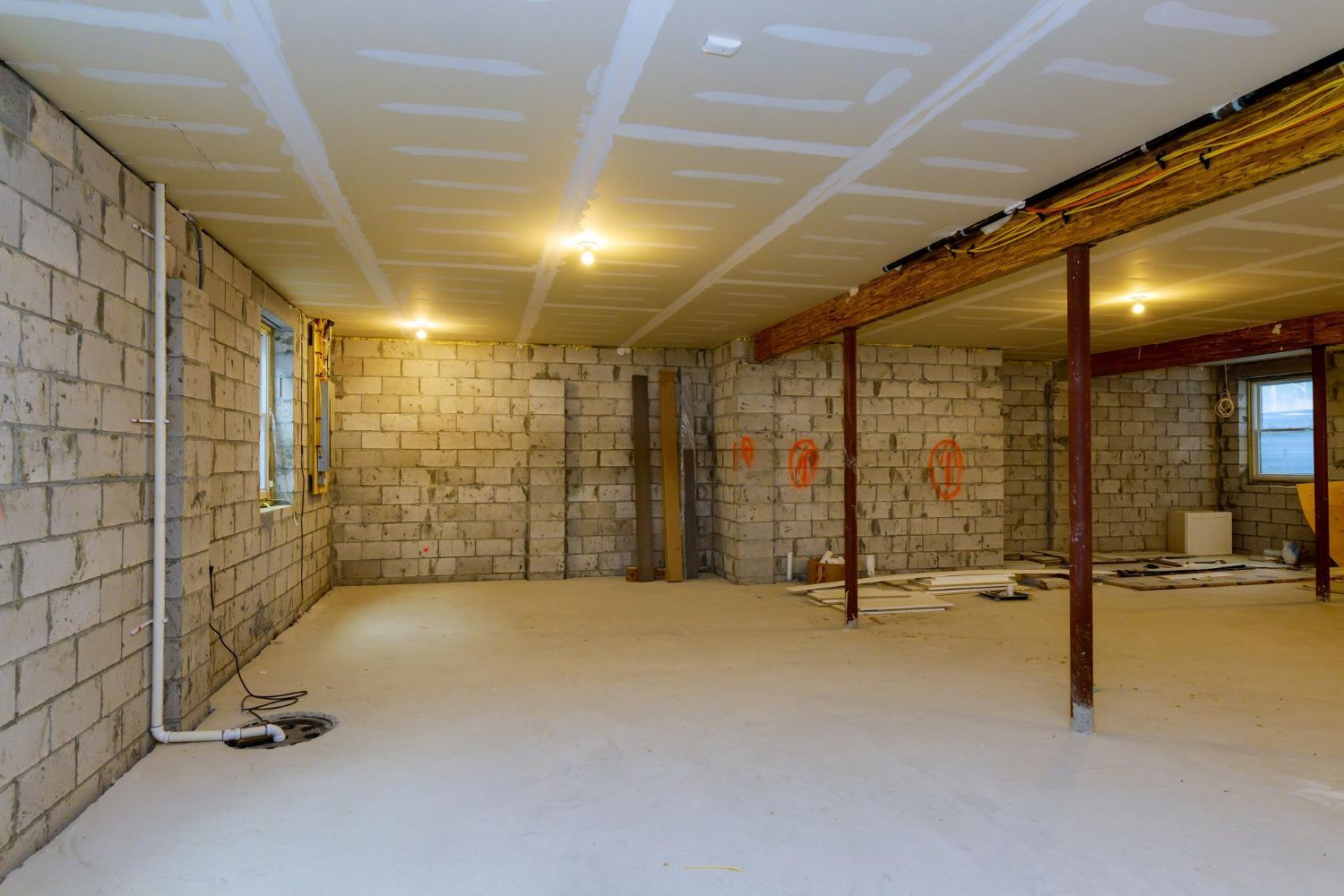
Many basement renovations start with paint colors and flooring choices, but the trouble usually begins long before that. Water and moisture are the main reasons finished basements fail.
Common issues include:
- Water seeping through cracks in the foundation
- Poor exterior drainage that sends rainwater toward the house
- Vapor pressure pushing moisture through concrete slabs
- Condensation forming on cool walls and pipes
When those problems are not handled before finishing, you often see:
- Mold growth behind walls and under flooring
- Rot in baseboards, door jambs, and framing
- Peeling paint and bubbling finishes
- Musty odors that never really go away
Shortcuts make things worse. People often try to:
- Frame walls directly against damp concrete
- Skip proper vapor barriers behind walls and under floors
- Use insulation that traps moisture instead of letting it dry correctly
- Install cheap flooring that swells, curls, or separates with moisture swings
The real cost shows up later. Instead of a once-and-done basement renovation, homeowners end up:
- Ripping out carpet or vinyl every few years
- Cleaning or cutting out moldy drywall
- Worrying about air quality for their family
- Paying for the same work twice because the first job was just a quick cover-up
The Slow Build Approach That Protects Your Home
Our answer to all of this is simple: do not rush. A basement that is built to last needs time and patience. We call it our slow build approach.
Before we think about finishes, we focus on:
- Careful inspection for past or current water entry
- Moisture testing of concrete and framing
- Looking at gutter systems, grading, and how water moves around the property
If we see issues, they get handled first. That can include:
- Improving gutters and downspout extensions
- Adjusting grading so water drains away from the foundation
- Adding or upgrading interior drainage or sump systems
- Sealing key areas where water likes to sneak in
Inside the basement, we choose vapor barriers and insulation strategies that work with Connecticut’s climate. The goal is to control moisture, not trap it where it will cause trouble. We then allow materials to acclimate and moisture readings to stabilize before closing up walls.
This slower pace respects your home and your investment. Many projects could be finished faster, but shaving off time often means shaving off years of durability. We would rather take a few extra days or weeks now so your basement is built to last and can stay solid and beautiful 20 years from now.
Materials, Millwork, and Layout Choices That Survive Decades
The materials you see in a finished basement are not just about style; they are part of how long the space will last. Below-grade, every choice has to earn its place.
For long-term performance, we look to:
- Moisture-resistant subfloor systems that lift finished flooring off cold concrete
- Stable engineered flooring options instead of products that soak up moisture
- Drywall designed to handle the higher humidity often found in basements
- Trim and casing materials that will not swell or warp easily
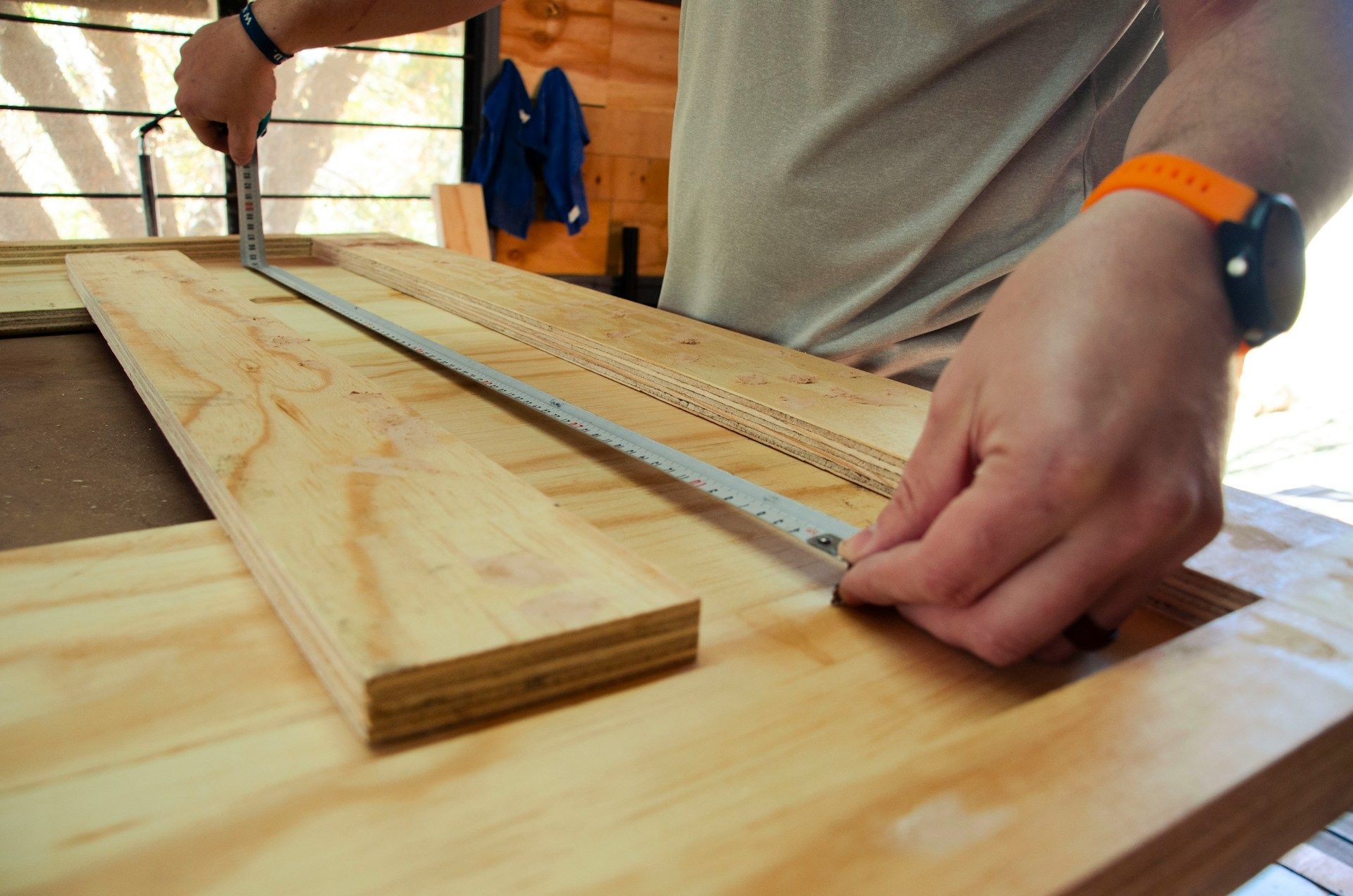
Our background in precision woodworking and custom millwork also plays a big role in durability. Tight joints, clean lines, and correct fastening are not only about looks. They help prevent:
- Gaps that invite drafts and moisture
- Cracking and separation at corners and seams
- Over-reliance on caulk to hide poor fits
We take care to scribe trim and panels to uneven walls or floors instead of forcing things into place. Before any millwork is installed, we bring it into the basement early so it can acclimate to the temperature and humidity in that exact space. That simple step lowers the chance of movement, warping, or open joints later on.
Layout and systems matter just as much. Smart planning includes:
- Keeping storage and built-ins away from known damp corners
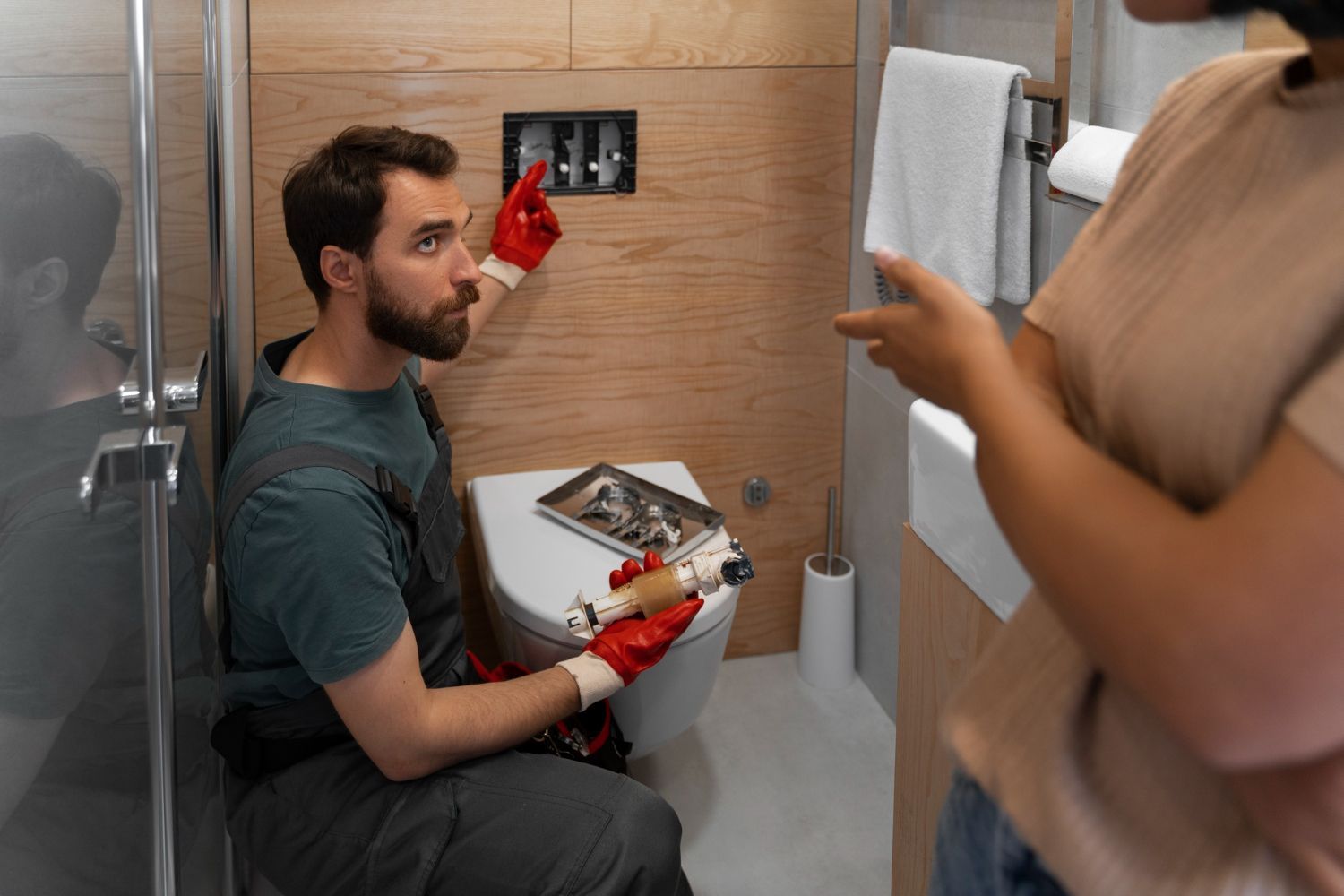
- Leaving clear access to electrical panels, plumbing, and shutoffs
- Planning mechanical rooms that are serviceable, not boxed in
For comfort, we look at HVAC, ventilation, and dehumidification so the basement stays close to the conditions on your main floors. Stable temperature and humidity help both people and materials feel better over time.
Soundproofing between the basement and the floor above, plus thoughtful lighting and electrical planning, round out the space. When systems are arranged safely and cleanly, they are easier to maintain, and that is part of a basement that truly works with your home for the long run.
Michael Fogarty’s Craft Values in Every Project
White Oak Renovations was founded in 2022 by craftsman Michael Fogarty with a focus on detail-driven work and long-term results, not volume and speed. Those values show up on every job.
We believe in:
- Clear, honest communication about what your basement really needs
- Explaining why some prep steps are non-negotiable if you want the space to last
- Saying no to quick cosmetic fixes that hide, instead of solve, problems
On-site, respect for your home guides what we do. That means:
- Protecting existing floors, stairs, and finishes
- Keeping the work area as clean and organized as possible
- Sticking to clear timelines and updating you as each phase moves forward
- Walking you through what we are doing and why, so you understand how your home is being protected
When we talk about basement renovations that protect Connecticut homes for decades, we are talking about your health, comfort, and peace of mind, not just a fresh coat of paint.
Planning Your Basement Renovation with a Long-Term View
If you are thinking about finishing or redoing your basement, it helps to look at it with a 10- to 20-year lens. Before you think about furniture or décor, ask:
- Is there any sign of moisture on walls or floors?
- Does the space smell damp after a heavy rain?
- Are there cracks, peeling finishes, or past water stains?
- How easy is it to reach your mechanical systems right now?
A careful walkthrough, followed by a professional moisture-inspection and design conversation, sets the stage for a renovation that is truly built to last. Planning around seasonal changes in Connecticut, from humid summers to cold winters, helps make sure your new basement is ready for whatever our weather brings.
We at White Oak Renovations treat every basement as part of the home’s long-term structure, not just extra square footage. With slow, careful building, the right materials, and honest communication, a basement can stop being a headache and start being one of the most durable, comfortable rooms in the house.
Transform Your Basement Into a Space You Truly Use
If you are ready to turn an underused lower level into a comfortable, functional part of your home, our team at White Oak Renovations is here to help. Explore our custom
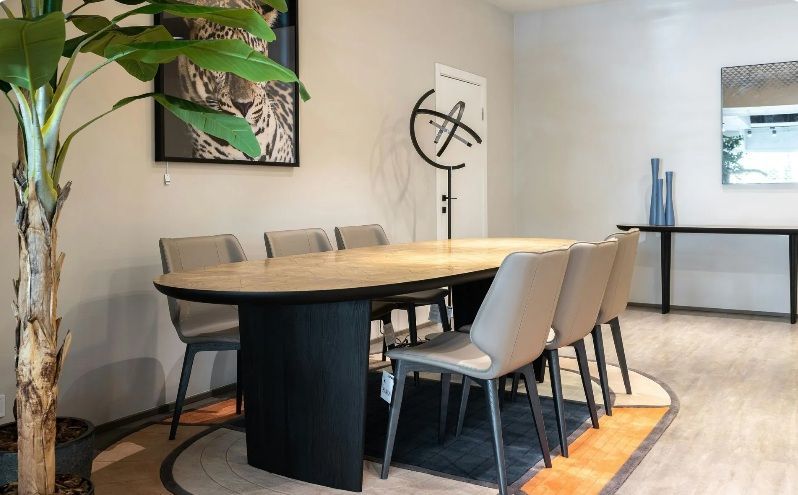
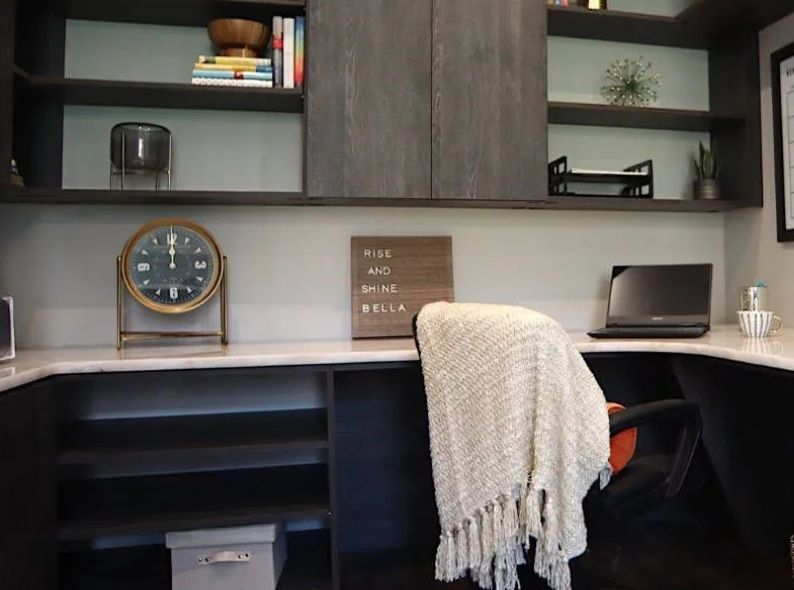
basement renovations to see how we design spaces that fit your lifestyle, from family rooms to guest suites and home offices. Tell us about your ideas and budget, and we will walk you through your options, timeline, and next steps. Get started today by reaching out through our
contact page so we can start planning your upgrade together.